Please upgrade your web browser now. Internet Explorer 6 is no longer supported.>

Top 10 Benefits of Using Directional Control Valves in Industrial Applications

In the realm of industrial automation, the importance of a reliable directional control valve cannot be overstated. These valves play a crucial role in directing fluid flow and controlling machinery. John Smith, a renowned expert in hydraulic systems, emphasizes, "A well-functioning directional control valve is the heart of any fluid power system."

Directional control valves enhance efficiency and productivity across various applications. They enable precise control over movements in machinery. This precision directly influences the operational success of industrial processes. For instance, in manufacturing, these valves ensure that machines operate in synchrony, minimizing downtime and wastage.

However, the selection and maintenance of directional control valves can be tricky. Choosing the wrong valve affects performance. Regular maintenance is essential yet often overlooked. As industries evolve, understanding these valves becomes necessary. Improving our knowledge helps avoid common pitfalls and enhances system reliability. It's clear that the right directional control valve can lead to significant gains if we reflect on our choices.
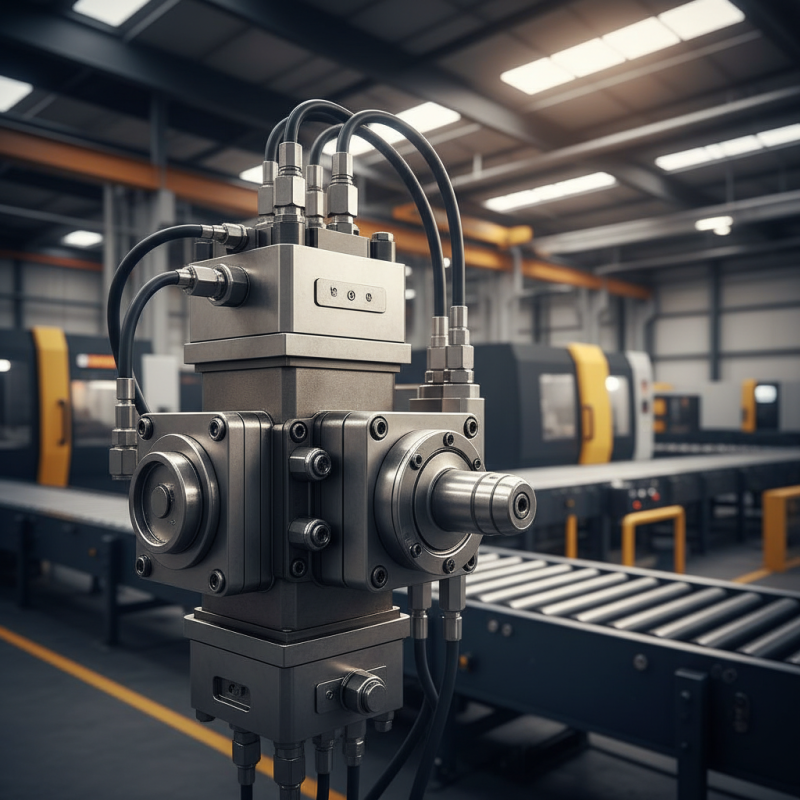
Top 10 Benefits of Using Directional Control Valves in Industrial Applications

Understanding Directional Control Valves: A Brief Overview

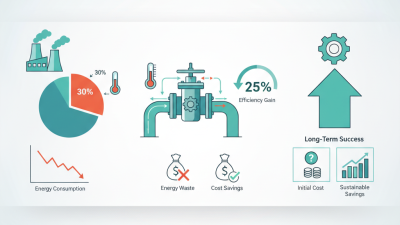
Directional control valves play a vital role in many industrial applications. These valves regulate the flow and direction of fluids within a hydraulic or pneumatic system. With a diverse range of designs, they control the movement of machinery with precision. In a recent industry report, it was noted that proper control of hydraulic systems can improve efficiency by up to 30%. This is critical in operations that require high levels of accuracy, such as manufacturing or robotics.

Understanding the basics of directional control valves is essential for engineers and technicians. These valves can be categorized by the number of ports and positions they have. Common types include single-acting and double-acting valves. Each type has unique advantages depending on the application. It’s also worth noting that improper selection can lead to inefficiencies. In fact, a significant percentage of system failures stem from incorrect valve installations.

Valves can be activated manually or electronically. Electronic options provide enhanced control but may require more upfront investment. On the other hand, manual valves are often simpler and more cost-effective. However, in the fast-paced industrial environment, manual methods may fall short in responsiveness. This raises questions about their long-term viability in highly automated settings. Understanding these nuances can lead to better decision-making in valve selection and overall system design.

Top 10 Benefits of Using Directional Control Valves in Industrial Applications

Benefit Description Application Examples
Precision Control Allows precise flow and direction control in hydraulic systems. Manufacturing robots, CNC machines.
Enhanced Safety Reduces the risk of accidental movement by controlling flow paths. Material handling equipment, automated guided vehicles.
Energy Efficiency Minimizes energy wastage through effective flow control. Hydraulic lift systems, conveyor systems.
Versatility Can be used in a variety of applications across different industries. Construction, agriculture, manufacturing.
Reliability Designed for durability and consistent performance under pressure. Heavy machinery, aerospace applications.
Quick Response Time Enables rapid system response, improving operational speed. Robotics, automated manufacturing lines.
Cost-Effectiveness Reduces maintenance costs and extends the life of machinery. Automated production systems, HVAC systems.
Compact Design Space-saving designs allow for easier integration in systems. Tight spaces in industrial equipment, mobile machinery.
Simplifies System Design Streamlined operations lead to simplified hydraulic schematics. Integrated systems in manufacturing plants.
Improved Maintenance Easier access and fewer components reduce maintenance time and costs. General maintenance in all industrial sectors.

Key Functions of Directional Control Valves in Industrial Systems

Directional control valves play a crucial role in industrial systems. They manage the flow and direction of fluids effectively. These valves control actuators and cylinders, enabling machinery to perform tasks efficiently. Their design allows for quick response to operational changes. This adaptability is vital in a dynamic manufacturing environment.

One key function is switching the flow path. This allows operators to direct fluid to the desired component. The precision of these valves can significantly impact productivity. However, incorrect settings can lead to inefficiencies. Flow rates might be altered unintentionally, causing delays. Regular maintenance is necessary to avoid such issues.

Another function is pressure regulation. Directional control valves can maintain optimal pressure levels. This helps protect sensitive equipment from damage. Insufficient pressure can lead to system failures. Operators must monitor these settings closely. It’s essential to recognize that even minor adjustments can have major repercussions.

Improved Efficiency Through Proper Flow Management

Directional control valves play a crucial role in managing fluid flow in industrial applications. By directing fluid on demand, they help improve efficiency. Proper flow management reduces waste, ultimately saving time and resources. For instance, in manufacturing systems, these valves can help regulate speed and pressure effectively.

Tips: Regularly inspect your directional control valves. Ensure they are clean and functioning properly. Small leaks can lead to significant inefficiency. If a valve is stuck, consider the source of the problem before replacing it.

Another benefit is that these valves can enhance safety. By controlling flow precisely, they reduce the risk of accidents related to pressure surges. However, users must be aware of potential failures. A valve may not respond as expected during an emergency. Assessing the response time can be critical.

Tips: Train staff to recognize signs of valve malfunction. Awareness can prevent costly downtime. Sometimes, investing in training yields better returns than equipment upgrades.

Safety Enhancements Provided by Directional Control Valves

Directional control valves play a crucial role in enhancing safety in industrial settings. They provide precise control over the flow of fluids, which is essential in high-pressure environments. This accuracy reduces the risk of system failures. Operators can make quick adjustments, ensuring processes run smoothly. In emergencies, these valves can effectively redirect flow, minimizing potential Hazards.

Moreover, the installation of directional control valves can prevent accidents. They help contain spills by controlling how fluids move through a system. This containment is vital in industries handling hazardous materials. However, it is important to regularly maintain these valves. Neglect can lead to breakdowns and unsafe conditions. Operators must be vigilant; even small issues can escalate.

Also, directional control valves contribute to process optimization. Their ability to manage flow helps in maintaining consistent pressure levels. This reduces wear on machinery and limits downtime. Nonetheless, improper installation can negate these benefits. Continuous training for staff is required. It ensures everyone understands how to operate these valves correctly.

Top 10 Benefits of Using Directional Control Valves in Industrial Applications

Cost-Effectiveness of Implementing Directional Control Solutions

Top 10 Benefits of Using Directional Control Valves in Industrial Applications

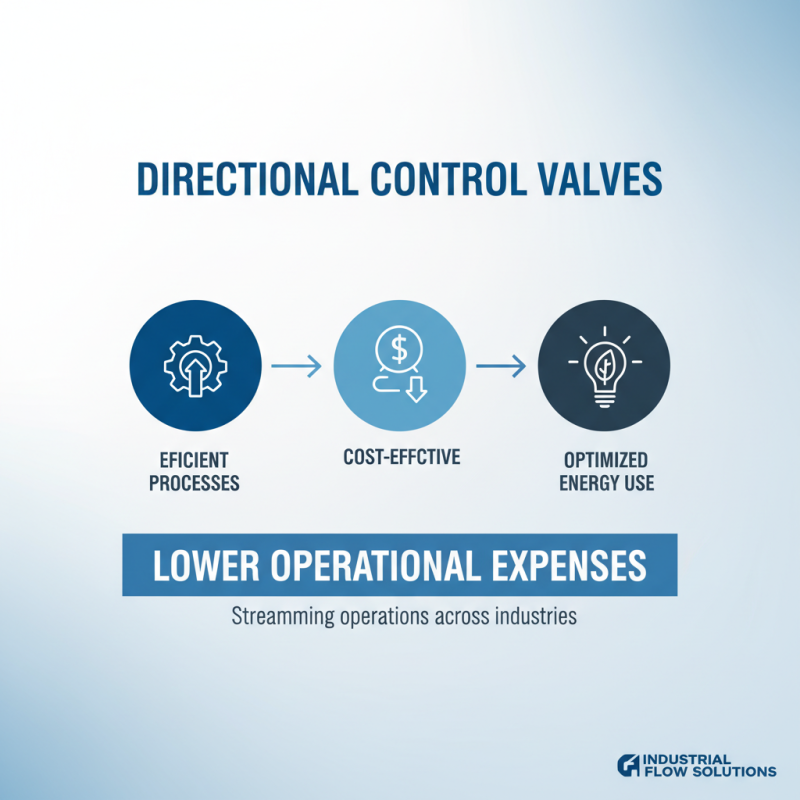
Directional control valves are essential in various industrial applications. Their cost-effectiveness is significant in achieving efficient processes. These valves help streamline operations, thereby reducing overall costs. By optimizing energy usage, they contribute to lower operational expenses.

Implementing directional control solutions means investing in longevity. The initial costs may seem high. However, the savings gained over time can be substantial. Machinery operates smoothly, reducing downtime and maintenance costs. More effective processes translate directly into increased productivity.

Companies often struggle to balance upfront investments with potential savings. It’s not always easy to calculate the return on investment accurately. Yet, the long-term benefits of using these valves often outweigh the initial expenditure. It requires careful planning and consideration. This challenges businesses to evaluate their needs deeply.