Top 10 Benefits of Using Smart Valves in Modern Industrial Applications?
In the rapidly evolving industrial landscape, the adoption of smart valves is becoming increasingly prominent. These intelligent devices enhance efficiency and control in various applications. Smart valves integrate advanced technology, enabling real-time monitoring and data analysis. This capability allows industries to respond quickly to changes.
The benefits of using smart valves are numerous. For instance, they offer improved accuracy in flow control. This precision reduces waste and increases energy efficiency. Additionally, smart valves can adapt to varying operational conditions, showcasing remarkable flexibility. Their predictive maintenance features also cut downtime and repair costs.
However, implementing smart valves isn’t without its challenges. Some facilities struggle with the integration of this new technology into existing systems. This transition demands careful planning and investment. Nevertheless, the advantages of smart valves often outweigh these hurdles. As industries continue to seek ways to optimize operations, smart valves emerge as a critical element in modern industrial applications.

Benefits of Enhanced Control and Precision in Flow Management
Smart valves are transforming flow management in industrial applications. They provide enhanced control and precision, which leads to improved efficiency. These valves can adjust flow rates dynamically, responding to changes in real-time. This adaptability minimizes waste and optimizes resource utilization.
In many situations, traditional valves lack the responsiveness needed in fast-paced environments. This can lead to inefficiencies and increased costs. Smart valves not only monitor flow but also provide data analytics to inform decision-making. This data helps operators understand patterns and anomalies, which is crucial for maintenance planning. Yet, reliance on technology can introduce vulnerabilities and may overlook the human element in decision-making.
Precision in flow management is essential for safety in industries like chemicals and pharmaceuticals. Even minor fluctuations can compromise product quality or safety. Smart valves help mitigate these risks by ensuring accurate measurements and adjustments. However, operators must remain vigilant. Over-reliance on automated systems can lead to oversight. A balanced approach, integrating technology with human expertise, often yields the best results.
Improved Energy Efficiency and Cost Savings Through Smart Valves
In today’s industrial landscape, smart valves play a crucial role in enhancing energy efficiency. According to a recent report by the International Energy Agency, implementing smart valve technology can yield energy savings of up to 30%. This not only reduces operational costs but also contributes to sustainability goals.
Smart valves utilize advanced algorithms to optimize flow control. By adjusting their operation based on real-time data, they minimize energy waste. Industries can see a significant reduction in energy consumption. In fact, studies indicate that using these valves can lower energy bills by around 20-25%.
Tip: Regular maintenance is essential. Even with smart technology, valves can experience wear or blockage over time. Scheduling routine checks can prevent costly downtime.
Moreover, integrating smart valves can streamline processes. This reduces the need for manual adjustments, which can be time-consuming and prone to error. However, not all systems will adapt perfectly. Some legacy piping may require updates for optimal performance.
Tip: Assessing the current infrastructure before implementation is critical. This helps in identifying potential challenges during integration. Consider small pilot projects to evaluate performance and gain insights.
Top 10 Benefits of Using Smart Valves in Modern Industrial Applications
Real-Time Data Monitoring and Analytics for Increased Operational Insights
In modern industrial settings, real-time data monitoring is a game changer.
Smart valves provide continuous insights, enhancing operational efficiency. They collect critical information that helps operators make informed decisions. By analyzing data on flow rates and pressure levels, businesses can identify performance issues quickly.
These insights not only improve system reliability but also reduce downtime. However, relying too much on this data can lead to complacency. It’s essential for operators to regularly assess the accuracy of the data being collected. Analyzing trends and patterns can reveal hidden inefficiencies that are otherwise overlooked.
Additionally, the integration of analytics tools enhances the decision-making process. Users can visualize data trends through dashboards, making complex information digestible. Yet, the challenge remains in interpreting this data effectively. Misunderstandings can lead to action plans that miss the mark. Continuous training and adaptation are crucial for fully leveraging smart valve technology.
Integration with IoT and Automation for Streamlined Industrial Processes
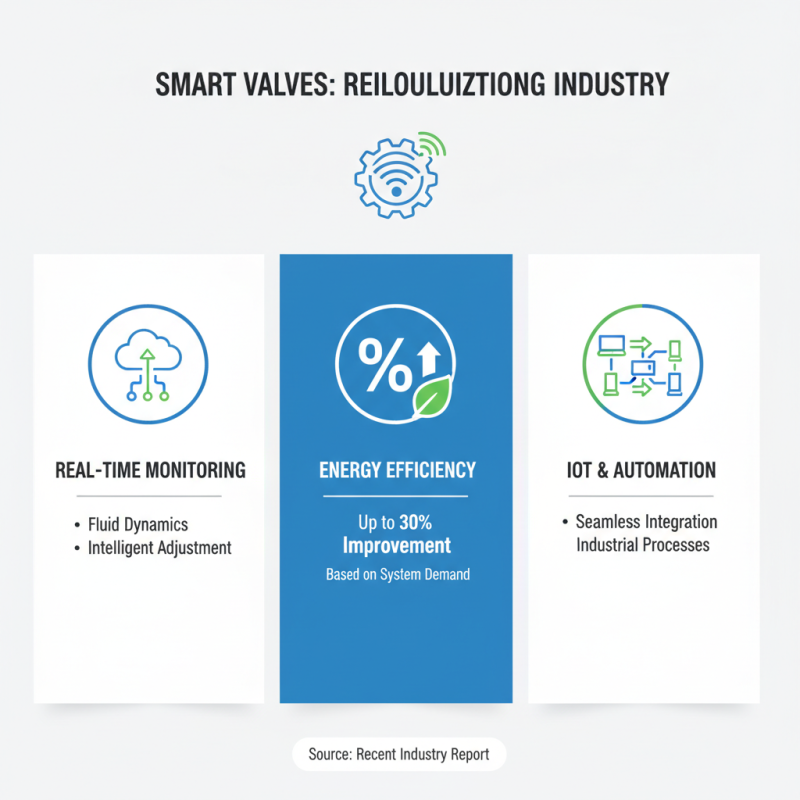
The integration of smart valves with IoT and automation is revolutionizing industrial processes. These intelligent devices enhance real-time monitoring of fluid dynamics. According to a recent industry report, smart valves can achieve up to 30% improvement in energy efficiency. This efficiency stems from their ability to adjust in real time based on current system demands.
However, the implementation of such technology is not without challenges. Many industries face difficulties in integrating legacy systems with new IoT platforms. It requires not only investment but also training for personnel. Furthermore, there's a risk of over-reliance on these systems, which may lead to vulnerabilities if not properly managed.
Despite these challenges, the potential for increased productivity is substantial. A study noted that organizations using smart valves reported a 25% increase in operational uptime. This data suggests that while there are obstacles, the benefits cannot be ignored. As industries continue to adapt, the role of smart valves in automation will likely expand, shaping the future of industrial efficiency.
Reduced Maintenance Needs and Downtime for Increased Productivity
Smart valves play a crucial role in modern industrial settings. Their ability to reduce maintenance needs is significant. According to a 2022 report by the International Society of Automation, facilities using smart valves have seen a 25% reduction in maintenance costs. This translates into fewer scheduled maintenance activities, allowing companies to allocate resources more efficiently.
Downtime is another area where smart valves excel. A study conducted by the Process Industry Trends found that industries adopting this technology reported a 30% decrease in unplanned downtime. This decrease leads to increased productivity. Yet, it is important to note that not all systems integrate seamlessly with existing infrastructure. Upgrading materials and training personnel can present challenges.
The monitoring capabilities of smart valves enhance operational efficiency. Real-time data analysis can identify potential issues before they escalate. However, reliance on technology can sometimes mask underlying problems. Regular human oversight remains essential. Balancing automation with human expertise is key to realizing the full potential of smart valves in industrial applications.