2026 Best Control Valve Solutions for Global Buyers?
In the world of industrial automation, control valves are pivotal. They regulate fluid flow in various systems, ensuring efficiency and safety. As we approach 2026, the demand for innovative control valve solutions is surging. Buyers worldwide seek options that enhance performance while reducing costs.
The complexity of selecting the right control valve can be daunting. Many factors impact decision-making, such as compatibility, material selection, and maintenance requirements. It’s essential for buyers to consider these aspects thoroughly. The market is flooded with choices, which can create confusion.
To navigate this landscape, understanding the latest trends and technologies is crucial. Insights from industry experts can guide buyers toward reliable solutions. Addressing specific needs and challenges will lead to better outcomes. Investing time in research will yield long-term benefits. Control valves play a crucial role in operational success, and making informed decisions is vital.

Overview of Control Valve Technologies in 2026
As we look towards 2026, control valve technologies are evolving rapidly. The integration of smart technology is revolutionizing this sector. Intelligent valves can now provide real-time data on performance and maintenance needs. This ensures efficient operation and reduces downtime. Innovations in materials enhance durability while maintaining lightweight characteristics.
Manufacturers are emphasizing energy efficiency. By optimizing flow control, industries can reduce their carbon footprint. However, some users may still face challenges in adapting to these new technologies. Training and knowledge gaps persist, which could hinder effective implementation.
Collaboration among industry experts is key. Continuous dialogue fosters innovation and addresses issues swiftly. However, the learning curve can be steep for many organizations. Embracing change is crucial, but it demands patience and a willingness to experiment. Only through persistent effort can we fully harness the potential of advanced control valve solutions.
Key Features and Benefits of Modern Control Valves
Modern control valves play a crucial role in various industries by regulating fluid flow. Their design has transformed significantly, enhancing efficiency and performance. According to a recent report from MarketsandMarkets, the control valve market is projected to reach $14.9 billion by 2026, driven by the demand for precise control solutions across sectors.
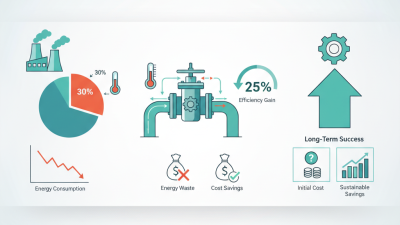
Today's control valves offer key features such as real-time monitoring and advanced diagnostics. Many models integrate IoT technology, allowing for remote management and predictive maintenance. This results in reduced downtime and increased operational efficiency. A study revealed that implementing smart valves can lead to a 20% reduction in energy consumption.
When selecting control valves, consider both material and functionality. Different environments require specific materials to ensure durability and effectiveness. For instance, corrosive fluids demand specialized alloys to prevent degradation. Understanding the unique needs of your application can prevent costly mistakes.
Data analytics can improve decision-making. Utilizing analytics tools enables operators to understand performance trends. This insight fosters proactive adjustments, ensuring systems run optimally. Remember, thorough evaluation and continuous improvement are key to achieving the best performance from control valves.
2026 Best Control Valve Solutions for Global Buyers
| Type |
Key Features |
Benefits |
Applications |
Material |
| Globe Valve |
High Flow Capacity, Linear Control |
Precise Flow Regulation, Versatile Use |
Water Treatment, Chemical Processing |
Cast Iron, Stainless Steel |
| Ball Valve |
Quick Shut-off, Minimal Flow Resistance |
Durability, Easy Operation |
Oil & Gas, HVAC Systems |
Brass, PVC |
| Butterfly Valve |
Compact Design, Low Torque Requirements |
Space-saving, Quick Operation |
Pipelines, Water Supply |
Aluminum, Stainless Steel |
| Check Valve |
Automatic Flow Regulation, Backflow Prevention |
Increased System Safety, Reduced Maintenance |
Water Systems, Chemical Lines |
Brass, Plastic |
| Solenoid Valve |
Electromechanical Operation, Fast Response |
Automated Control, Space Efficient |
Automated Systems, Sprinkler Systems |
Stainless Steel, Brass |
Market Trends and Innovations in Control Valve Solutions
Control valves play a crucial role in industrial processes by regulating fluid flow. As the market evolves, several trends and innovations have emerged, shaping the future of control valve solutions. The rise of smart technology is a key trend. With integrated sensors and IoT capabilities, modern control valves offer enhanced performance and monitoring. These advancements allow operators to make real-time adjustments, increasing efficiency and reducing downtime.
Another significant innovation is the shift towards sustainable materials. As industries face mounting pressure to minimize environmental impact, manufacturers are exploring eco-friendly alternatives. These materials not only reduce the carbon footprint but also improve the durability and reliability of control valves. However, the transition can be challenging. It requires careful evaluation of material properties and compatibility with existing systems.
Consider your specific requirements when selecting control valve solutions. Factors such as operating conditions and regulatory standards must guide your choices. Regular maintenance is essential. Neglecting this can lead to inefficiencies and costly failures. Always stay updated with industry advancements. Engaging with experts and attending conferences can provide valuable insights. Understanding the direction of market trends helps in making informed decisions.
Top Control Valve Manufacturers and Their Offerings
The control valve market is evolving rapidly. According to a recent industry report, the global control valve market was valued at approximately $12 billion in 2022 and is projected to grow annually by around 6% through 2026. This growth is driven by increasing demand for automation in various sectors such as oil and gas, water management, and manufacturing.
Top manufacturers are focusing on innovation and technology. Many are investing in smart control valves that offer enhanced monitoring capabilities. These valves can predict failures and optimize performance, which helps reduce downtime. However, despite advancements, integration can be a challenge. Clients often report difficulties in aligning new solutions with existing systems.
With many options available, buyers face confusion. Each offering has unique specifications targeting different industries. Some valves excel in high-pressure environments, while others are designed for corrosive fluids. Making an informed choice requires thorough research into each manufacturer’s expertise and product reliability. A comprehensive understanding can lead to significant long-term savings and improved operational efficiency.
Buying Guide: Selecting the Right Control Valve for Your Needs
When selecting a control valve, understanding your specific application is crucial. Various industries utilize control valves differently, impacting design, materials, and functionality. For instance, a report by Frost & Sullivan states that the global control valve market is expected to grow at a CAGR of 6.5% from 2020 to 2025, underscoring rising demand across sectors like oil and gas, water treatment, and pharmaceuticals.
Material choice is vital. Stainless steel, for example, is ideal for corrosive environments, while plastic may suit less demanding applications. Studies reveal that over 40% of failures in control valves stem from improper material selection. Hence, assessing your operating conditions can help prevent costly downtime and maintain system integrity.
Considering actuator type is also essential. Pneumatic actuators offer quick response times but may require air supply. On the other hand, electric actuators are often more precise but might have higher upfront costs. According to market analysis, improper actuator selection can lead to performance inefficiencies. Thoroughly evaluating your system’s requirements ensures you choose a solution that aligns with your operational needs.