2026 Best High Temperature Solenoid Valve for Global Buyers?
In the fast-evolving world of industrial applications, the demand for high temperature solenoid valves is on the rise. These components are crucial for systems operating under extreme conditions. Renowned valve expert Dr. Emily Carter emphasizes this, stating, "The effectiveness of a high temperature solenoid valve can determine the success of many industrial processes."
Manufacturers and engineers must choose wisely when selecting these valves. High temperature solenoid valves must withstand harsh environments while ensuring reliability. The right valve can enhance efficiency, safety, and cost-effectiveness. However, not all products meet these stringent requirements, leading to potential challenges.
As the global market grows, understanding the features and specifications of high temperature solenoid valves becomes more important. Buyers should be aware of the varying quality and performance levels in the industry. It's essential to conduct thorough research to avoid pitfalls. In this way, businesses can ensure they invest in the best high temperature solenoid valves for their unique needs.
Overview of High Temperature Solenoid Valves
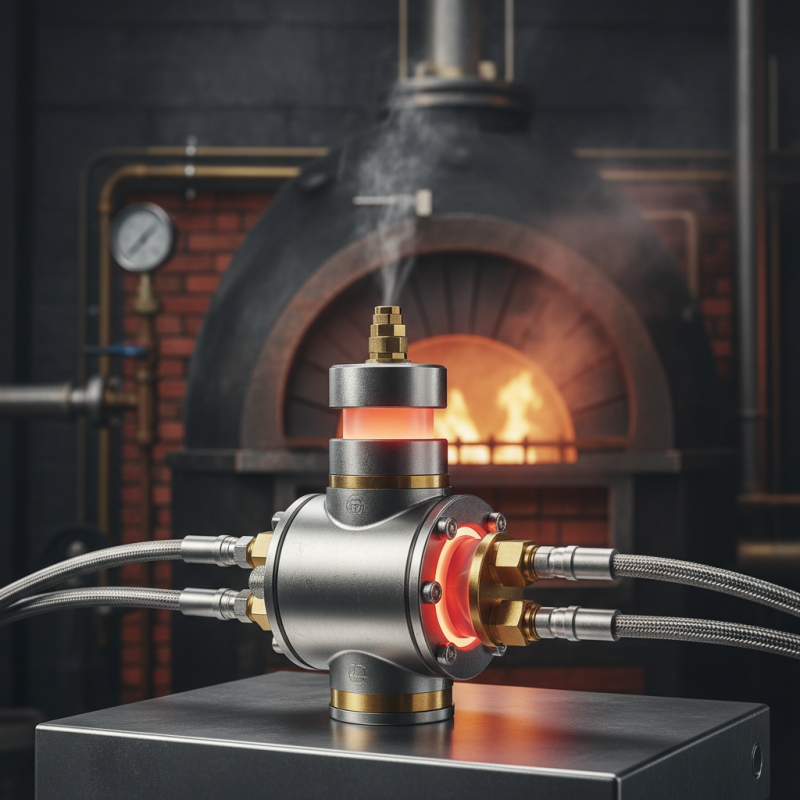
High temperature solenoid valves are crucial for various industrial applications. They manage fluids under extreme conditions. These valves are designed to withstand temperatures above 200 degrees Celsius. This feature makes them suitable for operations in industries like oil and gas, chemical processing, and power generation.
The construction of high temperature solenoid valves usually involves durable materials. Common materials include stainless steel and special alloys. These materials ensure longevity and performance. However, choosing the right valve can be challenging. Some factors need consideration, such as the specific application, pressure requirements, and media compatibility. Many users overlook these details, leading to potential failures.
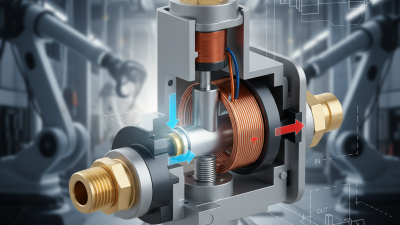
It’s vital to understand the working principle of these valves. They typically operate using an electromagnetic coil to open or close the valve. Yet, not all installations are straightforward. Issues like thermal expansion and wiring complications can arise. Users should take the time to assess their systems comprehensively. Rushing can lead to inefficiencies or even system failures. Solenoid valves play an essential role, but their effectiveness hinges on proper selection and installation.
Key Features to Consider in High Temperature Applications
When selecting a high-temperature solenoid valve, several critical features stand out. Temperature ratings are paramount. Many applications require valves capable of withstanding extreme conditions. Data suggest that valves with temperature ratings beyond 250°C are essential for industries such as oil refining and chemical processing. This durability ensures reliability during critical operations.
Another crucial aspect is the material construction. High-performance valves often utilize materials like stainless steel or special alloys. These materials provide the necessary strength and corrosion resistance. According to industry reports, valves made from these materials can extend service life by up to 50%. This improvement translates to lower maintenance costs and fewer replacements.
Further, consider the valve's response time. In high-temperature processes, rapid actuation is vital. Research indicates that solenoid valves with shorter activation times enhance system efficiency. However, not all valves achieve this balance. Buyers should assess both specifications and real-world performance benchmarks carefully. Some products may not meet expectations in critical situations, leading to costly downtime.
2026 Best High Temperature Solenoid Valve for Global Buyers - Key Features to Consider
| Model |
Max Temperature (°C) |
Material |
Pressure Range (bar) |
Coil Voltage (V) |
Response Time (ms) |
| HV-1000 |
200 |
Stainless Steel |
0-16 |
24 |
20 |
| HV-2000 |
250 |
Brass |
0-10 |
120 |
15 |
| HV-3000 |
300 |
Forged Steel |
0-25 |
230 |
10 |
| HV-4000 |
150 |
PVC |
0-5 |
12 |
25 |
Top Manufacturers of High Temperature Solenoid Valves in 2026
In 2026, the demand for high temperature solenoid valves continues to rise. These valves are essential in various industries, especially in oil and gas, pharmaceuticals, and food processing. They operate effectively in extreme conditions, ensuring reliable performance where traditional valves may fail.
The leading manufacturers in this field focus on innovative materials and advanced engineering. High-grade alloys and special seals are common features. These components are designed to withstand high pressures and temperatures. Many manufacturers also prioritize safety and efficiency. There is a growing trend to adopt smart technologies for real-time monitoring.
However, the challenges in the industry are noteworthy. Some manufacturers struggle with supply chain issues. Sourcing high-quality materials can be problematic. Additionally, as technology evolves, keeping pace with advancements is crucial for staying competitive. This constant evolution may lead to gaps in knowledge among workforce members, highlighting the need for ongoing training.
Global High Temperature Solenoid Valve Market Analysis (2026)
Comparative Analysis of Best Models Available Globally
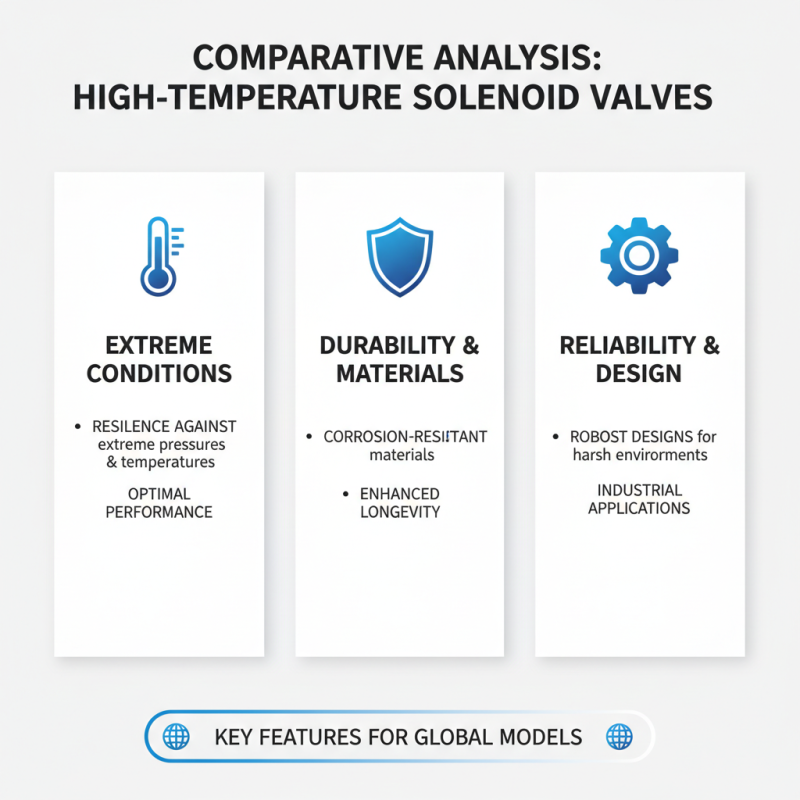
When choosing high-temperature solenoid valves, various models stand out for their unique features and applications. The best options on the market show resilience against extreme pressures and temperatures, ensuring optimal performance. Users often prioritize materials that resist corrosion and enhance durability. Robust designs can withstand harsh environments, making them reliable for industrial applications.
One critical aspect to consider is the valve's response time. A quick response is essential for maintaining control in dynamic systems. Some models excel in achieving rapid actuation, which may be key for certain processes. Analyzing specifications helps potential buyers grasp the operational advantages of each model. However, buyers must note that not all valves perform similarly in various conditions.
It's essential to understand that not every high-temperature valve will meet every requirement. Some may lack adequate sealing or experience frequent failures under specific conditions. These limitations prompt reflection on what best suits a project's specific needs. Thorough research and comparison can uncover potential flaws or discrepancies in expected performance. Ultimately, ensuring compatibility and reliability remains paramount in the selection process.
Industry Applications and Market Trends for 2026
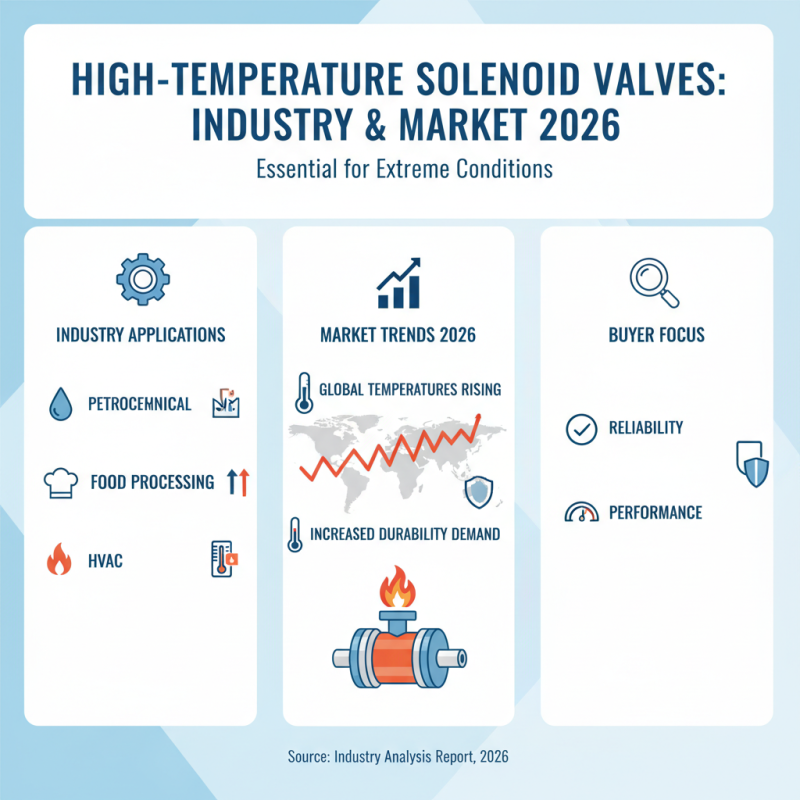
In 2026, high-temperature solenoid valves are essential across various industries. Their reliability shapes operations in petrochemical, food processing, and HVAC sectors. With rising temperatures expected globally, these components must endure extreme conditions. Buyers need to focus on durability and performance.
Understanding market trends is vital. The demand for high-temperature solenoid valves will grow. Companies are investing in advanced materials to enhance resistance. As industries evolve, so does the technology behind these valves. Efficiency and safety now take center stage in design.
Tips: Choose suppliers with solid reputations. They should demonstrate expertise in high-temperature applications. Regular maintenance extends valve life; schedule inspections often. Be ready for unexpected challenges. New technologies can disrupt markets rapidly. Adaptation is key to staying competitive.