What is the Best Variable Speed Gear Pump for Your Needs?
Choosing the right Variable Speed Gear Pump can significantly impact your operations. These pumps allow precise control over fluid flow, accommodating various applications. As industries demand more efficiency and adaptability, selecting a suitable pump is crucial for reliable performance.
When evaluating options, consider specific requirements like flow rate and viscosity. A well-matched pump enhances productivity and minimizes downtime. However, it's not always straightforward. Users often face challenges in making the best choice, leading to potential inefficiencies.
Some brands may promise high efficiency, but performance can vary. Research and firsthand experience play vital roles in understanding these differences. The variability in features and pricing requires careful comparison. A thoughtful selection process ensures you find a Variable Speed Gear Pump that meets your unique needs and improves operational reliability.
Understanding Variable Speed Gear Pumps and Their Functionality
Variable speed gear pumps are crucial in various industries for fluid transfer. These pumps stand out due to their ability to adjust flow rates. This feature allows for efficient operation in diverse applications, from chemical processing to food and beverage production. Understanding how they work is essential for making informed decisions.
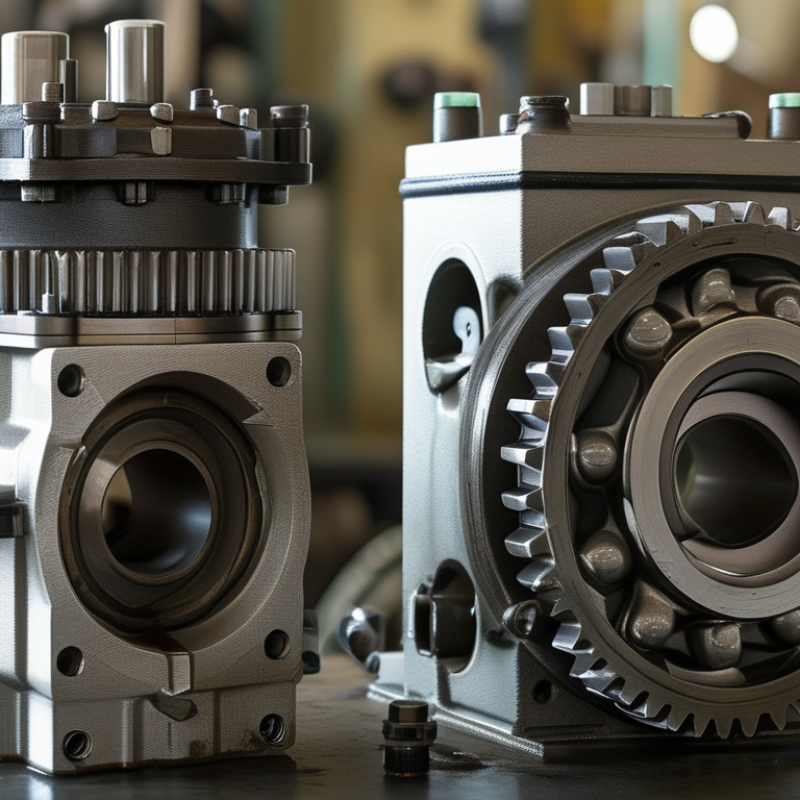
The functionality of a variable speed gear pump relies on its unique design. Gear pumps utilize two gears that mesh together, creating a cavity that draws in fluid. By varying the speed of operation, users can control the flow and pressure effectively. This flexibility is beneficial, but it requires careful calibration. Improper adjustments can lead to inefficient performance or system damage.
Many users might overlook maintenance, which can compromise pump efficiency. Regular checks on components ensure smooth operations. Signs of wear can lead to costly repairs. Accurate monitoring minimizes these risks and extends the pump's lifespan. Thus, getting familiar with the pump's indicators is wise for any operator.
Types of Variable Speed Gear Pumps Available in the Market
When exploring variable speed gear pumps, understanding the types available on the market is crucial. These pumps are often classified by their design and application. Common types include external gear pumps and internal gear pumps. External gear pumps use two gears to move fluid through the mechanical system. They are suitable for high-viscosity liquids and offer a simple, reliable option for numerous applications.
On the other hand, internal gear pumps contain a gear set within a housing. This design allows for quieter operation and better performance with lower viscosity fluids. Both types have their strengths, but selecting the right one depends on unique operational needs. Consider the fluid characteristics, expected flow rates, and pressure conditions.
Some manufacturers now offer smart pumps, which adjust speed and flow based on real-time data. This innovation boosts efficiency but may require more maintenance. Reflection is necessary here; while technology improves performance, it can also complicate simplicity. Evaluate your specific requirements before deciding on the right pump design.
Assessing Key Features for Optimal Performance and Efficiency
When selecting a variable speed gear pump, assessing key features is crucial for optimal performance and efficiency. Understanding the flow rate requirements is essential. Too high a flow rate can lead to unnecessary energy consumption. Conversely, too low a flow rate may affect process efficiency. A balance is vital.
Another critical factor is the pump's material and design. Materials must withstand the fluid being pumped. Corrosion resistance can prolong pump life. Moreover, consider the pump's size and weight. A compact design can save space and facilitate easier integration into existing systems. These details can make a major difference in operational reliability.
Reflecting on maintenance needs is also important. Regular maintenance can prevent unexpected failures. Yet, some systems require more upkeep than others. Understanding these aspects can help in making an informed decision. Efficiency and reliability in variable speed gear pumps hinge on recognizing and evaluating these features thoughtfully.
Factors to Consider When Choosing the Right Pump for Your Application
Choosing the right variable speed gear pump involves several critical factors. Understanding these factors can help in making an informed decision. One significant aspect is the pump's performance specifications. A study indicates that pumps operating at varying speeds can enhance energy efficiency by up to 25%. This can lead to substantial cost savings over time.
Another essential consideration is the viscosity of the fluids being handled. High-viscosity fluids require pumps with specific designs to ensure optimal performance. For instance, pumps that can handle viscosities over 1,000 cP often need gear systems with specially calibrated clearances. This can impact not only performance but also the longevity of the pump itself.
Compatibility with the application is also vital. This means understanding the required flow rate and pressure specifications. Research suggests that approximately 15% of pump failures occur due to improper sizing. Evaluating the environment where the pump will operate is crucial. Factors like temperature, potential contaminants, and maintenance accessibility can greatly influence the pump's reliability and efficiency. Taking all these elements into account can lead to better choices and long-term benefits for your operations.
Comparison of Leading Brands and Models of Variable Speed Gear Pumps
When choosing a variable speed gear pump, performance and compatibility are key factors. Different brands offer various features that suit specific applications. It's important to consider flow rates, pressure capabilities, and efficiency. Some pumps excel in low-viscosity fluids, while others handle thicker materials better.
Comparing models reveals differences in durability and maintenance needs. Some pumps are designed for easy repair, which can reduce downtime in operations. However, not all pumps are perfectly engineered. Some may require adjustments after installation to function optimally. Understanding these nuances helps in making a more informed decision.
The right variable speed gear pump can enhance productivity. Still, even the best options may have limitations. Users should carefully assess their individual requirements. Balancing cost against performance often leads to tough choices. The search for the ideal pump is a process of evaluation and sometimes trial and error.


