What Are the Best Wire Mesh Options for Global Buyers
Wire Mesh is a versatile material widely used across various industries. Its applications range from construction to agriculture, making it a staple for many global buyers. Understanding the best wire mesh options can significantly impact project outcomes. Different types of wire mesh offer distinct benefits and drawbacks. Thus, selecting the right kind may require careful consideration.
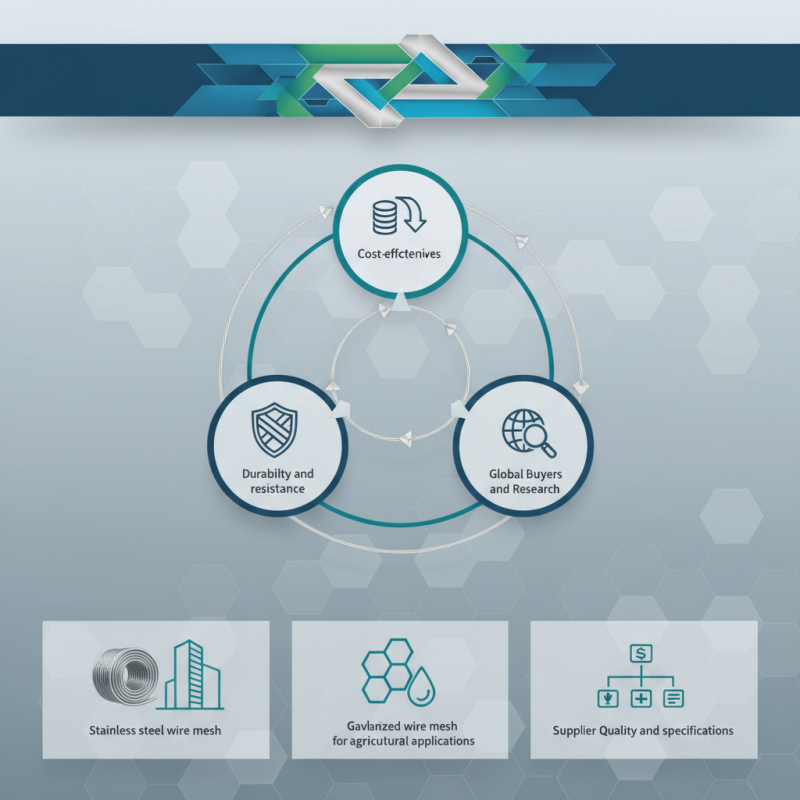
One must consider factors such as durability, corrosion resistance, and cost-effectiveness when choosing wire mesh. For instance, stainless steel wire mesh is known for its strength and longevity. However, it also comes at a higher price. In contrast, galvanized wire mesh offers excellent protection against rust but may require more frequent replacements in harsh environments.
Navigating the vast market of wire mesh can be overwhelming. Not all suppliers maintain the same quality standards. Buyers must conduct thorough research to ensure reliability. Some wire mesh products may not meet the necessary specifications or are less durable than advertised. Reflecting on these points will help buyers make informed decisions. Ultimately, choosing the right wire mesh is crucial for project success and long-term sustainability.
Understanding Wire Mesh: Types and Applications for Global Buyers
Wire mesh has versatile applications across various industries. It is essential to understand the different types available for global buyers. Common types include welded wire mesh, woven wire mesh, and expanded metal mesh. Each type serves unique purposes, from construction to filtration and security.
In construction, welded wire mesh provides strong support for concrete. It minimizes cracking and enhances stability. Woven wire mesh is often used in fencing for gardens and properties. It offers visibility while ensuring security.
Expanded metal mesh, on the other hand, is used in cases where airflow and strength are required, such as in grating and catwalks.
Buyers should consider factors like material, size, and intended use. Stainless steel offers corrosion resistance but may be less cost-effective. Galvanized options are often durable yet can be more susceptible to rust in certain environments. Buyers may face challenges in sourcing high-quality mesh while balancing cost. It's crucial to assess the supplier's reliability and product specifications closely. Choosing the right wire mesh can be significantly impacted by understanding these details.
Material Considerations: Comparing Steel, Aluminum, and Stainless Steel Mesh
When choosing wire mesh, material plays a crucial role. Steel, aluminum, and stainless steel each offer unique benefits. Steel is robust and cost-effective, making it a popular choice in industrial applications. However, it can rust over time without proper treatment. Aluminum is lightweight and resistant to corrosion, but it’s less strong than steel. This makes it suitable for applications where weight matters more than strength.
Stainless steel combines the best of both worlds. It’s durable and resistant to rust, making it ideal for outdoor use. However, the cost can be a barrier for some buyers. Understanding the specific requirements of your project is essential. Consider the environment and load requirements before making a decision.
Each material has strengths and weaknesses. An effective choice depends on the intended use. While it may be tempting to focus solely on cost, durability should also be a priority. Balancing these factors can lead to better long-term outcomes.
What Are the Best Wire Mesh Options for Global Buyers - Material Considerations: Comparing Steel, Aluminum, and Stainless Steel Mesh
| Material | Tensile Strength (MPa) | Corrosion Resistance | Weight (kg/m²) | Cost (USD/m²) |
| Steel | 250 | Low | 5.5 | 5.00 |
| Aluminum | 150 | Moderate | 2.5 | 8.00 |
| Stainless Steel | 650 | High | 6.0 | 15.00 |
Mesh Specifications: Aperture Size, Wire Diameter, and Strength Ratings
When selecting wire mesh, understanding specifications is crucial. Aperture size refers to the openings in the mesh. This dimension impacts flow rates, visibility, and material retention. It’s essential to match the aperture to your specific needs. Larger apertures allow greater airflow but offer less support. Smaller apertures provide more strength but can restrict flow.
Wire diameter is another critical specification. Thicker wires enhance strength and durability. However, they can add weight to the structure. This may not be ideal for all applications. Balancing thickness with strength can be challenging. Choosing the right wire diameter requires careful consideration of the intended use.
Strength ratings indicate the load a mesh can bear. Knowing this helps in assessing suitability for various projects. Testing methodologies vary, and results may not always reflect real-world conditions. For optimal performance, assess environmental factors. Reflecting on these elements can guide better choices in wire mesh that meet global standards.
Best Wire Mesh Options for Global Buyers
This chart represents key specifications for wire mesh products including aperture size, wire diameter, and strength ratings, essential for global buyers in selecting suitable options.
Key Suppliers: Leading Manufacturers and Global Distribution Networks
In the wire mesh industry, suppliers play a pivotal role. The demand for wire mesh is increasing globally, driven by construction and manufacturing sectors. According to the Global Wire Mesh Market Report, the market size is projected to grow significantly during the next five years, highlighting the need for reliable suppliers.
Leading manufacturers are essential for meeting this growing demand. Many of these producers have established extensive distribution networks, allowing them to deliver products efficiently. However, the challenge remains in maintaining quality across diverse locations. Reports indicate that inconsistency in product standards can occur. Buyers must vet suppliers carefully to ensure quality assurance.
Collaboration with key suppliers fosters innovation in wire mesh design. Some manufacturers have begun investing in advanced technologies that enhance the durability and performance of wire mesh products. Yet, not all suppliers possess the same level of expertise. It is crucial for global buyers to assess the reputation and credentials of manufacturers before entering any agreements.
Sustainability and Innovation: Eco-Friendly Mesh Solutions for Future Needs
In recent years, the demand for sustainable materials has significantly increased. Wire mesh is now being produced with eco-friendly practices. This includes using recycled materials and minimizing energy consumption during production. Innovations in design also play a key role in enhancing the sustainability of these products. Lightweight yet durable options are being developed, which use less material without compromising strength.
While many manufacturers are making strides, not all mesh products meet the sustainability criteria. Buyers must scrutinize certifications and production methods. Choosing the wrong material can lead to environmental harm. Transparency in sourcing is crucial. It’s essential to recognize that not every eco-friendly label is legitimate.
Moreover, the shift towards sustainable wire mesh requires ongoing commitment. Continuous research and development are necessary for improving eco-friendly solutions. Collaboration between industries and environmental organizations could lead the way. However, there’s still much to learn. This evolving landscape calls for thoughtful discussions on best practices and innovative approaches. Engaging with experts in sustainability ensures informed choices for future needs.


