What Is Biogas Purification and How Does It Work?
Biogas is produced when microorganisms break down organic material in oxygen-free conditions. The raw gas can contain methane, carbon dioxide, water vapor, hydrogen sulfide, and trace compounds such as siloxanes. Its exact composition varies with the feedstock and the operating conditions. That variation matters.
Bio Gas Purification describes the treatment steps used to remove unwanted substances from biogas. Some systems focus on protecting engines, boilers, and pipes from moisture or corrosive hydrogen sulfide. Others also reduce carbon dioxide to raise the methane concentration, producing gas suitable for uses that require higher-quality fuel. These goals are related, but they are not identical. Purification does not always mean full upgrading.
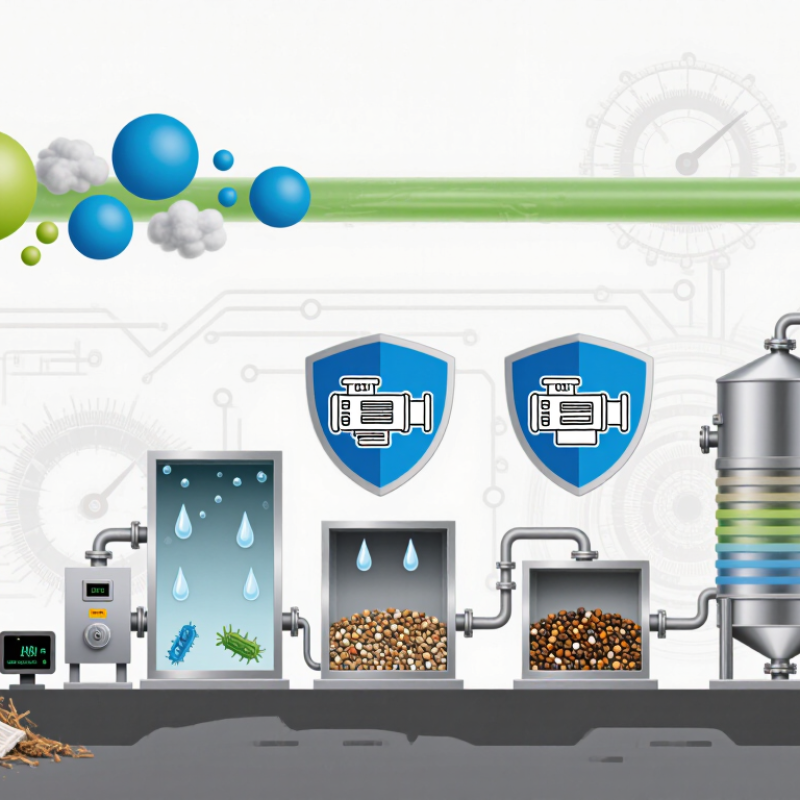
How does the process work? Operators first measure the incoming gas and identify which contaminants need attention. Drying equipment can remove water vapor, while filters or chemical treatments may reduce hydrogen sulfide. For carbon dioxide removal, facilities may use water scrubbing, membranes, or pressure swing adsorption. Each approach has different energy demands, maintenance needs, and gas losses. There is no universal setup.
A practical example helps: untreated, damp gas can corrode equipment, while sulfur compounds may damage engines or create odor concerns. Treatment can reduce those risks, but only when equipment is properly selected and monitored. Readings from gas analyzers, pressure gauges, and moisture sensors help operators check performance. Small leaks or changing feedstock can still affect results. The process is technical, and sometimes less predictable than a simple flow diagram suggests. This guide explains the main stages, common methods, and factors that shape a reliable purification system.
What Raw Biogas Contains
Raw biogas is a damp, variable mixture—not ready-made pipeline gas. IEA Bioenergy Task 37 reports typical raw biogas contains about 50–75% methane and 25–45% carbon dioxide. The remainder can include water vapour, hydrogen sulfide, nitrogen, oxygen, ammonia, and trace compounds such as siloxanes. It is not uniform. Feedstock, digester conditions, and air entering the system can shift the mix. (IEA Bioenergy Task 37, Biogas Upgrading and Utilisation.)
Those minor components can create practical problems. Water vapour may condense in a cooling pipe, while hydrogen sulfide can form corrosive compounds when moisture is present. Siloxanes, often associated with wastewater-derived gas, can leave hard mineral deposits during combustion. Small traces matter. Their levels vary, so a sample should be tested rather than judged by smell or appearance. The U.S. EPA’s AgSTAR guidance also notes that biogas composition depends on the materials being digested and operating conditions. That variability is easy to underestimate: two digesters on nearby sites may produce gas with noticeably different moisture and contaminant levels. Raw gas needs careful characterization before selecting purification steps.
Why Biogas Needs Purification
Raw biogas is not ready for every burner, engine, or pipeline. The U.S. EPA’s AgSTAR Project Development Handbook reports that it commonly contains 50–75% methane and 25–50% carbon dioxide, alongside water vapor and trace contaminants. That wide range matters. A gas stream can vary with feedstock and operating conditions, so a fixed treatment recipe may miss the mark.
Hydrogen sulfide can corrode pipes and equipment, while moisture encourages condensation and damage. Carbon dioxide dilutes the fuel, reducing its energy content per unit of gas. Siloxanes, found in some waste-derived gas, can form hard deposits inside engines when burned. Not just odor. These impurities affect reliability, maintenance costs, and emissions performance. IEA Bioenergy Task 37’s technical work on biogas upgrading also identifies contaminant removal and methane enrichment as key steps for using biogas as biomethane.
Purification usually combines drying, hydrogen sulfide removal, and carbon dioxide separation. Operators may use cooling or condensate traps for water, then adsorbents or other treatment systems for sulfur compounds. Membranes or absorption processes can separate much of the carbon dioxide. The right sequence depends on the gas analysis and its final use. A small digester may need a simpler setup than a pipeline-injection project. This is where practice gets less tidy: feedstock changes, and treatment performance needs regular checking. The goal is not “perfectly pure” gas, but gas that meets the needs of its equipment safely and consistently.
How the Purification Process Works
Raw biogas leaves a digester warm, wet, and mixed with contaminants. Its exact composition changes with feedstock and operating conditions. A knock-out vessel or chiller removes much of the water vapor, while filters catch droplets and particles. Details matter. Moisture can corrode equipment and interfere with later treatment.
Hydrogen sulfide is commonly reduced using iron-based media, activated carbon, or biological treatment. The right choice depends on gas flow, contaminant levels, and maintenance capacity. Siloxanes, found in some waste-derived gas, may require adsorption beds because they can form abrasive deposits during combustion. Carbon dioxide is removed when the goal is biomethane: membrane separation, water scrubbing, or pressure-swing adsorption can separate it from methane. Each method has trade-offs in energy use, methane loss, and maintenance. Neither route fits every site.
Sensors track pressure, temperature, gas composition, and moisture at key points. Operators also check filter condition and sample the treated gas against the needs of its intended equipment or pipeline. In practice, a tidy process diagram rarely shows every feedstock change or exhausted filter. Small changes matter. I would not treat one test result as proof of steady performance; gas quality needs ongoing checks.
Common Technologies for Removing Impurities
Biogas purification removes compounds that can corrode equipment, reduce heating value, or interfere with downstream use. The right treatment depends on measured gas composition and the required gas quality. Small details matter. A wet gas sample, for example, can give an incomplete picture of moisture-related problems.
Hydrogen sulfide is often reduced with iron-based media, activated carbon, or biological treatment. Each approach has different operating needs, and media replacement or process control must be planned. Moisture is commonly removed by cooling and condensation, followed by a dryer when tighter water limits are needed. Siloxanes, which can form abrasive deposits during combustion, may be captured with activated carbon or other adsorbents.
Carbon dioxide separation is used when a higher methane concentration is required. Water scrubbing, pressure swing adsorption, and membrane systems are common options. They differ in energy use, maintenance, and sensitivity to contaminants. A treatment train may combine several methods, since one unit rarely removes every impurity well. In practice, a neat process diagram can hide awkward maintenance needs. Operators should check inlet gas regularly and review performance after changes in feedstock or operating conditions. A single test is not always enough.
What Is Biogas Purification and How Does It Work?
Typical methane content before and after upgrading
Raw biogas commonly contains about 50–70% methane. Upgrading technologies remove carbon dioxide and other impurities such as hydrogen sulfide, water vapor, and siloxanes to produce biomethane with a higher methane concentration. Values shown are indicative ranges; actual results depend on feed gas and system design.
How Purified Biogas Is Used
Purified biogas can provide heat and power close to where it is produced. Removing water vapor and hydrogen sulfide helps protect pipes, engines, and burners from corrosion. In combined heat and power units, the gas runs an engine or turbine, producing electricity and useful heat. That matters. A farm can use electricity in its buildings and heat to warm a digester or nearby workspace.
When carbon dioxide is also removed, the upgraded gas has a higher methane content and may be suitable for injection into a gas network, subject to local quality requirements. It can also fuel vehicles designed for compressed or liquefied biomethane. These uses need dependable gas quality; a fluctuating methane level can affect equipment performance. There is no universally neat setting: the best use depends on gas volume, transport distance, and demand throughout the year. Operators may compare the cost of upgrading with the value of using raw biogas on site. Even a well-run system needs routine checks, including looking for moisture collecting in low points of the pipework.


