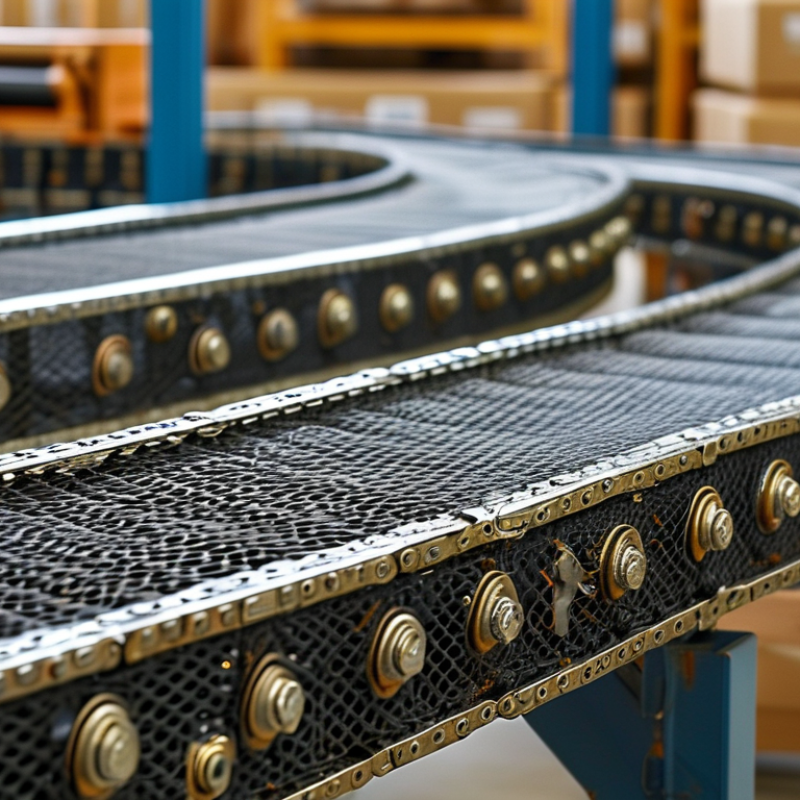
How to Choose the Best Mesh Conveyor Chain for Your Needs?
Choosing the right Mesh Conveyor Chain is crucial for efficient operations. According to industry expert John Anderson, "The right chain can significantly enhance productivity." With various options available, understanding your specific needs matters.
In manufacturing and logistics, a strong, durable mesh conveyor chain can streamline processes. However, not all chains are created equal. Some may rust or wear out quickly, leading to costly downtime. It's essential to consider factors like material, load capacity, and the specific environment where the chain will operate.
Shoppers often overlook the nuances of mesh conveyor chains. Price shouldn't be the only factor. Investing in quality can save money long-term. However, buyers may find it challenging to balance cost and performance. Reflecting on personal experiences, many realize that cutting corners leads to regret.
Types of Mesh Conveyor Chains and Their Applications
Mesh conveyor chains come in various types, each designed for specific applications. Wire mesh belts are lightweight and ideal for cooling or drying products. They provide excellent airflow, making them suitable for bakeries or food processing plants. The open design allows for easy cleaning and maintenance. However, they may not be the best choice for heavy loads.
Flat wire mesh chains are robust and versatile. They excel in conveying heavy items, like metal parts in manufacturing. While they offer strength, they can also be prone to wear over time. Users should consider load capacity and potential replacement costs. When selecting a chain, weigh the trade-offs between strength and maintenance needs.
Some specialized mesh chains include spiral or turner meshes. These are used in applications requiring elevation changes, such as in packing lines. Their unique structure allows items to ascend at various angles. However, they may demand more intricate installation processes. Each type has its pros and cons, making it vital to understand your specific needs before making a decision.
Comparison of Different Types of Mesh Conveyor Chains
This chart compares the load capacity of various types of mesh conveyor chains, showcasing their suitability for different applications based on structural material and design.
Factors to Consider When Choosing a Mesh Conveyor Chain
Choosing the right mesh conveyor chain is essential for efficiency and safety in operations. Material type is a primary factor. Stainless steel, for example, resists corrosion but may be heavier. Plastic chains can be lighter but may not handle heavy loads as effectively. Consider the environment. For high-temperature settings, specialized materials are necessary. Maintaining performance in various environments can be challenging.
Load capacity is critical too. Assess the weight of the products you'll transport. Overloading can lead to chain failure. It's advisable to consult with a specialist for precise calculations. Chain width and pitch also play a role. A wider chain may offer more stability, but does it fit your machinery? Precision in measurements is key. Each detail influences the overall performance.
Flexibility and ease of maintenance matter. Some chains can be easier to clean. This is vital in industries like food processing. If maintenance is cumbersome, downtime increases. Lastly, budget constraints should be assessed. A cheaper option may cut costs initially, but could lead to higher long-term expenses through repairs or replacements. Each decision carries weight in the operational success.
Materials Used in Mesh Conveyor Chain Manufacturing
When selecting a mesh conveyor chain, understanding the materials used in its manufacturing is crucial. Mesh conveyor chains can be constructed from various materials, including stainless steel, plastic, and carbon steel. Stainless steel is often preferred for its durability and resistance to corrosion. It is ideal for environments that require strict hygiene or face exposure to moisture. Plastic versions, while lighter and more affordable, may not withstand heavy loads as effectively. Carbon steel, though robust, can rust if not properly treated or coated.
The type of material directly affects the conveyor chain's longevity and functionality. For instance, stainless steel chains are excellent for high-temperature applications. They maintain strength under heat and resist warping. However, they can be more costly. Conversely, plastic chains might be suited for less demanding tasks. They offer benefits like noise reduction and lightweight, making them easier to handle.
Investing in a mesh conveyor chain requires careful consideration of these materials. Think about the operational demands and your budget. Sometimes, the most affordable option initially may not be the best in the long run. Assess your needs and what materials will truly serve those needs. Making an informed choice can prevent costly upgrades or replacements later on.
Maintenance Tips for Optimal Performance of Mesh Conveyor Chains
Maintaining mesh conveyor chains is crucial for optimal performance. Regular inspection can help identify wear and tear early. Check for rust or damage on chain links. This ensures smooth operation and prevents unexpected breakdowns. A well-maintained chain reduces downtime, benefiting productivity.
Ensure proper lubrication of your conveyor chains. Insufficient lubrication can lead to increased friction and wear. Use a suitable lubricant to extend the lifespan of the chain. It’s essential to apply lubricant evenly. Avoid overloading the chain, as this can cause strain and lead to failure.
Monitor the tension of the chain regularly. A loose chain can slip off the tracks, halting production. Conversely, overtightening can damage the conveyor system. Adjust the tension to meet the manufacturer’s specifications. Practicing these maintenance strategies will keep your mesh conveyor chains functioning efficiently.
How to Choose the Best Mesh Conveyor Chain for Your Needs? - Maintenance Tips for Optimal Performance of Mesh Conveyor Chains
| Feature | Description | Maintenance Tip |
| Material | Choose corrosion-resistant materials such as stainless steel for durability. | Regularly inspect for signs of wear or corrosion. |
| Pitch Size | Select a pitch size that matches your application requirements for optimal efficiency. | Ensure proper alignment to prevent misalignment issues. |
| Load Capacity | Determine the load capacity based on the materials being conveyed. | Keep within the manufacturer's load specifications to prevent damage. |
| Chain Design | Consider the design for ease of cleaning and maintenance. | Clean the conveyor chains regularly to avoid build-up of materials. |
| Operating Environment | Assess the environment (e.g., temperature, humidity) to choose a suitable chain. | Monitor environmental conditions that may affect chain performance. |
Cost vs. Quality: Finding the Right Balance in Your Selection
Choosing the right mesh conveyor chain involves balancing cost and quality. It's tempting to go for cheaper options, especially for smaller projects. However, lower costs often lead to higher long-term expenses due to repairs and replacements. You might save money upfront, but the durability of the chain could suffer. A chain that breaks easily could disrupt your production line, causing delays and loss of productivity.
Quality mesh conveyor chains are built to withstand various operational stresses. Investing in a higher-quality option can mean fewer breakdowns and maintenance issues. This leads to increased efficiency in the long run. Heavy-duty materials, while pricier, often provide better support and longevity. Not all chains are created equal. Some may rust or wear out quickly, resulting in costly replacements.
Consider your specific needs carefully. Are you transporting heavy or delicate items? Understanding your requirements can help in making the right decision. Sometimes, mid-range options serve as a good compromise between cost and quality. Reflect on past experiences with conveyor chains, identifying what worked and what didn’t. This insight can guide you in choosing the right mesh conveyor chain for your operation.