How to Choose the Best Solar Pump Inverter for Your Needs?
Choosing the right solar pump inverter is essential for maximizing efficiency and performance. According to a recent report by Market Research Future, the Solar Pump Inverter Market is projected to grow at a CAGR of 12.3% over the next five years. This highlights the increasing demand for sustainable energy solutions.
Expert in renewable energy, Dr. Samantha Lee, emphasizes the significance of selecting the right inverter: “The efficiency of solar pump systems greatly relies on the inverter's capabilities.” Misalignment in choosing an inverter can lead to inefficiencies and increased costs. Potential buyers may find navigating options challenging, particularly with varying technologies available.
Understanding your unique needs is crucial. For example, consider the size of your pump, your energy requirements, and local sunlight conditions. These factors play a vital role in making the right choice. A thorough evaluation can prevent costly mistakes in the future. Ultimately, the best inverter should align seamlessly with your specific application and environmental conditions.
Understanding Solar Pump Inverters and Their Importance
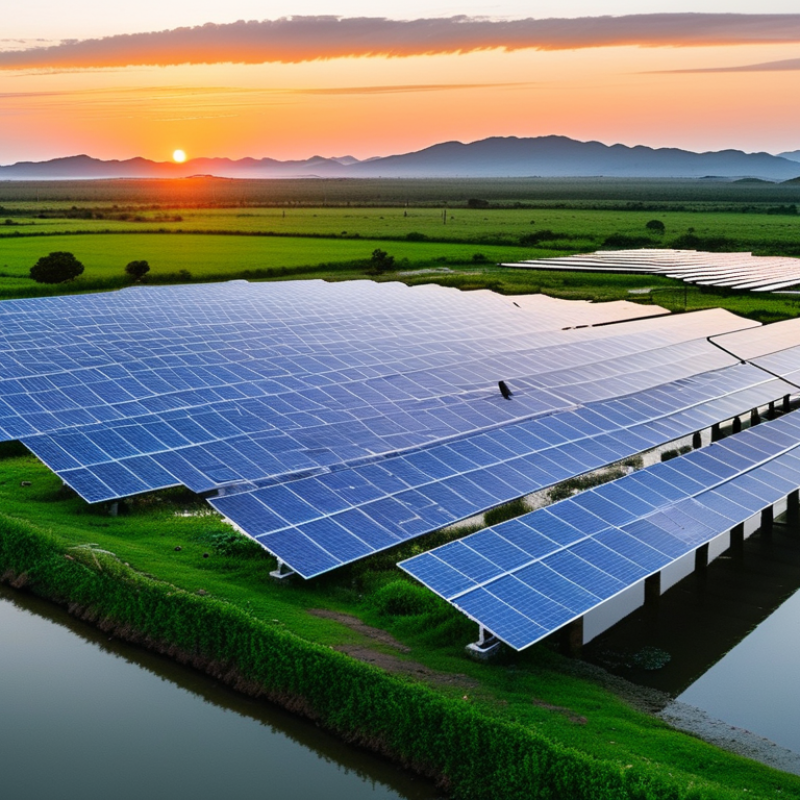
Solar pump inverters play a crucial role in modern agricultural and water management systems. They convert direct current (DC) from solar panels into alternating current (AC) for pump operation. This process makes solar-powered irrigation feasible, especially in remote areas. A well-functioning inverter ensures consistent water supply while reducing dependency on fossil fuels.
Choosing the right solar pump inverter is not straightforward. It requires understanding power requirements, pump types, and system compatibility. Inverters vary widely in efficiency and capacity. A lower-priced inverter might seem appealing, but it may underperform or fail to meet needs. Users should also consider installation, maintenance, and warranty options when selecting an inverter.
Reflecting on your specific needs can lead to better decisions. Analyze water demands carefully. Are they likely to change? Will seasonal variations affect output? Think about the long-term operational costs associated with your choice. Engaging with local experts can help navigate these complexities. Ultimately, selecting an inverter is about finding a balance between performance, reliability, and cost.
Solar Pump Inverter Efficiency Comparison
This bar chart compares the efficiency of five different solar pump inverters. Efficiency is a crucial factor when choosing an inverter, as it directly affects the performance and energy savings of your solar pumping system.
Key Factors to Consider When Choosing a Solar Pump Inverter
Choosing a solar pump inverter involves several key factors. First, consider the power requirements of your pump. This means assessing the pump's horsepower and flow rate. Different applications will require different power levels. If unsure, consulting with an expert can clarify your needs.
Another important factor is the inverter's efficiency. Look for models that offer high conversion rates. This can directly affect your energy savings. A more efficient inverter ensures that more solar energy is converted into usable power. It's wise to investigate the inverter's specifications thoroughly. Some may claim high efficiency but underperform in real-world conditions.
Durability plays a vital role as well. Solar pump inverters must withstand various weather conditions. Waterproof and dustproof ratings indicate good durability. Read through reviews to gauge long-term performance. This feedback often reveals issues not mentioned in product descriptions. Always ensure the inverter has reliable after-sales support, as service quality can vary significantly. Being thoughtful about these elements can lead to a more fulfilling investment in solar technology.
How to Choose the Best Solar Pump Inverter for Your Needs? - Key Factors to Consider When Choosing a Solar Pump Inverter
| Factor | Description | Importance Level |
| Power Rating | Choose an inverter that matches or exceeds the total wattage needed by your pump. | High |
| Efficiency | Look for inverters with high conversion efficiency to maximize energy output. | High |
| Durability | Select models that are robust and weather-resistant for long-term use. | Medium |
| Compatibility | Ensure the inverter is compatible with the specific solar panels and pump type. | High |
| Cost | Consider your budget and look for value without sacrificing quality. | Medium |
| Warranty | A longer warranty period can indicate reliability and manufacturer confidence. | Medium |
| Customer Support | Choose manufacturers that offer solid customer service and technical support. | Low |
Types of Solar Pump Inverters Available in the Market
When selecting a solar pump inverter, it’s essential to understand the types available on the market. These inverters convert solar energy into usable power for water pumps. The main types include string inverters, central inverters, and microinverters. Each type comes with distinct features. String inverters are often the most economical choice. However, they may not perform well in shaded areas.
In contrast, central inverters are suitable for large-scale applications. They offer high efficiency but can be complex to install. Microinverters allow for individual panel optimization. This can lead to better overall performance, especially in locations with varied sunlight exposure. However, they can be pricier and may require more maintenance.
Consider the application before making a decision. For small farms or residential use, a string inverter may suffice. Larger agricultural needs might benefit from central inverters. It’s also important to assess energy needs and local climate conditions. Investigate regional regulations too, as they can affect your options. Ultimately, take your time to reflect on these factors to ensure you choose the right inverter for your needs.
Evaluating Efficiency and Performance Ratings of Inverters
When selecting a solar pump inverter, evaluating its efficiency and performance ratings is crucial. In recent studies, inverters with a 95% efficiency rating tend to outperform those below this threshold. This leads to better energy conversion and savings. According to the National Renewable Energy Laboratory (NREL), higher efficiency can reduce energy costs significantly over time.
Performance ratings often include metrics like Total Harmonic Distortion (THD) and power output consistency. Inverters with THD below 5% provide cleaner energy and reduce strain on pumps. A reliable inverter should maintain a stable output across varying temperatures and loads. For instance, experts suggest looking for inverters that can operate efficiently in high-temperature environments, ensuring reliability in diverse conditions.
While efficiency is vital, understanding the specific needs of your system is equally important. A device may boast high ratings, but if it doesn't match your pump's requirements, its effectiveness diminishes. Regular performance assessments and adjustments can optimize inverter functionality. This ensures you harness the full potential of your solar system while considering environmental and situational factors that might impact performance.
Installation and Maintenance Considerations for Solar Inverters
When installing a solar pump inverter, careful attention to detail is crucial. Ensure the inverter is compatible with your solar panels and pump system. An improper match can lead to inefficiencies and damage. For example, using an inverter with inadequate capacity can overload the system. It's essential to calculate the total power needed before purchasing.
Maintenance is another vital aspect of inverter longevity. Regularly check connections for corrosion or wear. Even minor issues can escalate if ignored. Dust buildup on electrical components can cause overheating. Inverters should be placed in shaded, well-ventilated areas to prevent overheating.
While most inverters are designed to be durable, they still need periodic inspections. Look for signs of wear or malfunction, such as unusual sounds or intermittent operation. These could indicate a need for servicing. Many users overlook these details, leading to reduced efficiency and costly repairs down the line. Regular upkeep ensures optimal performance, aligning with the best practices for solar energy systems.


