Please upgrade your web browser now. Internet Explorer 6 is no longer supported.>

How to Choose Outdoor Post Lights in 2026?

Choosing Outdoor Post Lights in 2026 requires more than matching a fixture to your driveway. The right choice combines light quality, energy performance, weather resistance, safety, and long-term maintenance. The International Energy Agency reports that lighting uses roughly 15% of global electricity and produces about 5% of energy-related greenhouse gas emissions. That makes efficient outdoor lighting a practical climate decision, not merely a design preference.

LED technology now offers high efficiency, longer service life, and better control compatibility. The U.S. Department of Energy recommends evaluating LED products through efficacy, lumen output, color quality, and operating conditions. For a garden path, a warm 2700K to 3000K light can preserve a welcoming atmosphere. A driveway may need stronger, wider distribution. Check the beam pattern at ground level, not only the fixture’s appearance in a product photograph. Small details matter. Glare can disturb neighbors, wildlife, and pedestrians.

Weather protection deserves equal attention. Look for suitable IP ratings, corrosion-resistant finishes, sealed wiring compartments, and mounting hardware designed for local conditions. Coastal properties may need marine-grade materials. Cold regions may require tested performance below freezing. A photocell, timer, or smart controller can prevent unnecessary nighttime consumption, but compatibility is not always obvious. Verify voltage, dimming behavior, and local electrical requirements before installation.

No checklist is perfect. A beautiful post light can still create dark steps or harsh shadows. This guide examines Outdoor Post Lights through measurable performance, practical installation experience, and independent industry guidance. It also questions common assumptions, because the brightest fixture is rarely the safest or most responsible choice.
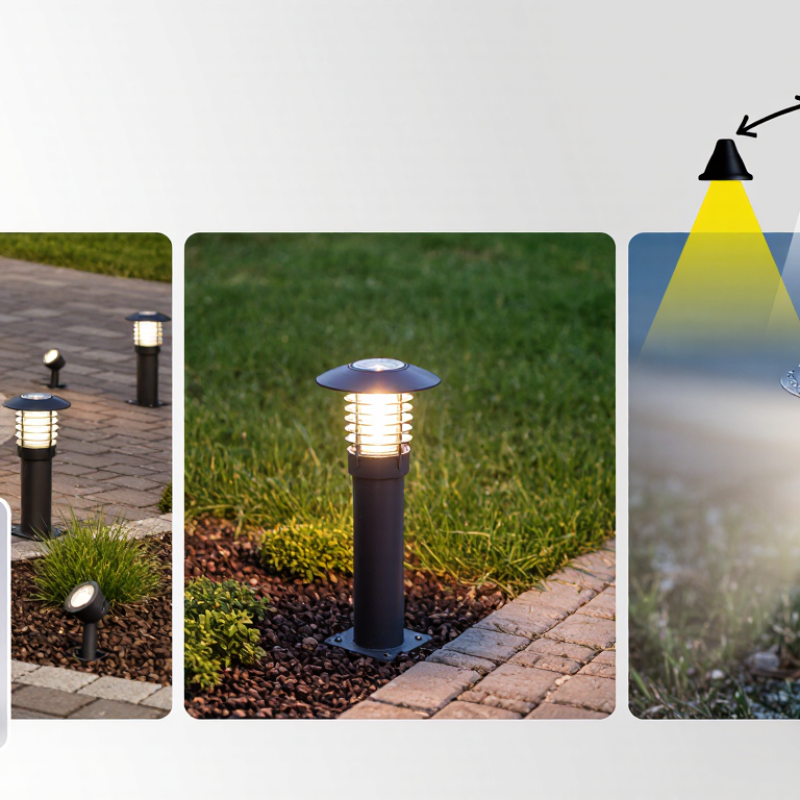
How to Choose Outdoor Post Lights in 2026?

Define the Purpose and Placement of Outdoor Post Lights

Outdoor post lights should serve a clear purpose before they improve appearance. Mark the walkway, identify the entrance, or illuminate steps and driveways. Each goal needs a different height, beam spread, and brightness. A 2024 U.S. Department of Energy report states that LED lighting uses at least 75% less energy than incandescent lighting and can last up to 25 times longer. That makes LEDs practical for fixtures operating every evening. However, excessive brightness can create glare and deep shadows. I learned this after placing one tall light beside a narrow path. It looked impressive, but it made nearby steps harder to see.

Placement should support comfortable movement, not compete with windows or neighbors. Position posts near path turns, stair edges, and entry points. Keep them far enough from driveways to avoid vehicle impact. Measure the walking route at night, when dark corners become visible. DarkSky guidance also favors fully shielded fixtures, which direct light downward and reduce wasted upward light. Local outdoor-lighting rules may still affect height, color temperature, and operating hours.

Tips: Test one temporary fixture first. View it from the sidewalk, porch, and nearest window. Choose warm light around 2,700–3,000K for residential settings. Use timers or motion sensors where appropriate. Do not assume taller means safer. A lower, well-shielded post often provides better path visibility with less glare. My own preference changed after several installations; attractive spacing can still leave an awkward dark patch.

Compare Light Sources, Brightness, and Color Temperature

Choosing outdoor post lights in 2026 starts with the light source, not the fixture’s appearance. LED remains the practical choice for most entrances, paths, and driveways. It uses little energy, starts instantly, and typically lasts longer than older bulbs. Solar lighting can reduce wiring, but cloudy weather and winter shading may weaken its output. Traditional filament-style lamps create a warmer visual effect, yet they usually consume more electricity and require more frequent replacement.

Brightness should match the location. For a short garden path, 100 to 300 lumens per post may feel sufficient. A driveway or dark gate may need 400 lumens or more. Avoid judging brightness by wattage alone. Lumens measure visible light, while wattage measures energy use.

Spacing, lens design, and mounting height also change the result. My first path-light layout was too bright. It looked secure, but the glare made nearby plants disappear.

Color temperature affects comfort and visibility. Around 2700K to 3000K produces a warm, welcoming glow for patios and residential paths. Neutral white, near 3500K to 4000K, can reveal steps and edges more clearly. Cooler light may appear crisp, but it can feel harsh in quiet garden spaces. Check the light after sunset, not only in a showroom. Reflections from wet paving can also make a modest fixture seem surprisingly bright.

Choose Materials and Styles for Weather Resistance

How to Choose Outdoor Post Lights in 2026?

Choose Materials and Styles for Weather Resistance

Outdoor post lights face rain, dust, sunlight, and repeated temperature changes. Material choice matters more than a fashionable finish. In coastal areas, marine-grade aluminum or 316 stainless steel usually handles salty air better than ordinary steel. Powder coating adds protection, but scratches can expose the metal underneath. Copper resists corrosion and develops a natural patina, although the color may change unevenly. I once underestimated this detail beside a pale stone walkway.

Look for sealed joints, covered wiring entries, and a suitable IP rating for your local exposure. A higher rating generally offers stronger protection against water and dust, but installation still matters. Choose downward-shielded styles when possible. They reduce glare and keep rain from settling inside the fixture. Avoid deep decorative grooves that collect leaves and moisture. Simple lantern, cylinder, and low-profile designs are easier to inspect after storms. Check local electrical requirements before installation, especially for buried cables and grounding.

Tips: Wipe salt and dirt away every few months. Inspect seals after severe weather. Touch up scratches early. Do not assume stainless steel is maintenance-free. Even durable materials can stain, loosen, or age differently than expected. Use warm, moderate lighting near paths, and keep brightness low enough to preserve visibility without creating harsh shadows.

Evaluate Power Options, Controls, and Installation Needs

How to Choose Outdoor Post Lights in 2026?

Power choice shapes brightness, maintenance, and placement. Hardwired models suit permanent driveways and entry paths. They usually provide steady output during long winter evenings. Solar units avoid trenching, but nearby trees can reduce charging. Battery-powered options work for temporary layouts, though frequent replacement becomes annoying. Measure nighttime exposure before deciding. A shaded corner can disappoint.

Controls deserve equal attention. Photocells turn lights on at dusk and off at dawn. Timers provide predictable schedules, but seasonal sunset changes require adjustment. Motion sensors can reduce operating time near gates and bins. Set the detection range carefully. Otherwise, passing cars may trigger the fixture. Smart controls add remote access, yet wireless signals may weaken around masonry or metal posts. Manual override remains useful when technology behaves badly.

Installation needs should be checked before purchase. Confirm post diameter, mounting height, cable routes, and ground conditions. For hardwired lighting, use weather-rated components and have a qualified electrician inspect connections. Local electrical rules may require protected circuits or specific burial depths. Keep water away from junction points. It sounds basic, but rushed sealing causes many outdoor failures. Leave room for drainage and future access. I would test one fixture overnight before installing several. That trial can reveal glare, weak charging, or an inconvenient control range.

How to Choose Outdoor Post Lights in 2026?

A practical comparison of power options, control flexibility, and installation requirements for typical residential outdoor post-light projects.

Scores use a 1–5 planning scale: a higher score means less existing infrastructure is needed, more control methods are available, or installation is simpler. AC models generally offer the widest control compatibility but require mains wiring; low-voltage systems reduce wiring risk but need a transformer; solar models are easiest to place where trenching or electrical access is difficult.

Check Safety Standards, Maintenance, and Long-Term Value

How to Choose Outdoor Post Lights in 2026?

Safety should guide the first purchase decision. Choose fixtures tested to applicable standards, such as UL 1598 in North America or IEC 60598-1 internationally. Ask for certification details, not vague “weatherproof” claims. An IP65 rating blocks dust and water jets, but it does not permit immersion. Check cable glands, grounding, and sealed connections carefully. A loose connector can fail after one winter.

Maintenance begins with the installation site. Keep the fixture above standing water and away from sprinklers. Use corrosion-resistant hardware where salt, rain, or road grit is common. Clean the lens twice yearly with a soft cloth. Inspect seals and wiring each spring. It sounds minor. It is often neglected.

Long-term value includes energy use, replacement labor, and light quality. The U.S. Department of Energy reports that LED lighting uses at least 75% less energy and can last up to 25 times longer than incandescent lighting. Those figures support LEDs, but they do not excuse poor construction. A cheap driver may fail before the LEDs. Compare the warranty, rated life, replaceable parts, and lumen maintenance. Also check glare and color temperature; brighter is not always safer. I once underestimated tree shadows near a walkway. The fixture worked, yet the path still felt uncertain. A lighting plan should test the real site after dark, not only rely on catalog images.

How to Choose Outdoor Post Lights in 2026? - Check Safety Standards, Maintenance, and Long-Term Value

Outdoor Post Light Selection Comparison
Light Configuration Recommended Use Typical Light Source Typical Power Range Expected LED Life Weather Protection Impact Protection Safety and Compliance Checks Maintenance Requirements Long-Term Value
Integrated LED Post Light Driveways, walkways, patios, and general residential outdoor lighting Integrated LED module 8–25 W 25,000–50,000 hours, depending on thermal design and operating conditions IP65 or higher recommended for exposed locations; IP65 protects against dust and water jets IK06–IK08 commonly suitable for residential areas Look for certification applicable to the installation region, such as UL 1598 or IEC 60598-1; verify grounding and outdoor-use labeling Clean the optical cover periodically; replace the complete fixture if the sealed LED driver or module fails High efficiency
Low energy use and minimal routine service, but repairability may be limited
Replaceable-Lamp LED Post Light Homes or properties where future lamp replacement is important Replaceable LED bulb 6–20 W Typically 15,000–25,000 hours for the lamp IP44 minimum for sheltered areas; IP54–IP65 is preferable for direct exposure IK04–IK07, depending on the diffuser and housing Use a lamp rated for enclosed fixtures when required; check socket type, maximum wattage, grounding, and wet-location suitability Replace lamps as needed; inspect seals, socket condition, and fasteners annually High serviceability
Lower replacement complexity and easier upgrades over time
Solar LED Post Light Remote paths, garden borders, and locations without convenient wiring LED module with rechargeable battery 1–8 W equivalent output system LED life may reach 25,000–50,000 hours; battery commonly lasts 2–5 years depending on chemistry, temperature, and charge cycles IP65 or higher recommended for the solar panel, battery compartment, and light head IK05–IK07 is generally adequate for landscaped residential areas Check battery safety information, charging protection, secure mounting, and whether the product is designed for outdoor exposure Clean the solar panel several times per year; keep vegetation from shading it; replace the battery when nighttime runtime declines Low operating cost
No trenching or grid electricity, but performance varies with sunlight, season, and battery aging
Low-Voltage LED Post Light Landscape lighting systems, gardens, and properties requiring safer cable routing 12 V or 24 V LED system 3–15 W per fixture 25,000–50,000 hours for quality LED modules IP65 recommended for fixtures; buried cable connections should use connectors rated for underground or wet locations IK05–IK08, based on housing material and lens construction Use a compatible listed transformer, outdoor-rated cable, correct cable gauge, weatherproof connections, and ground-fault protection where required by local code Inspect cable connections, transformer capacity, lens cleanliness, and signs of water entry at least annually Balanced value
Efficient and flexible, although installation quality strongly affects reliability
Mains-Voltage LED Post Light Permanent lighting for entrances, public-facing areas, and large properties Integrated LED or replaceable LED lamp 10–40 W 25,000–50,000 hours for integrated LED; 15,000–25,000 hours for many replaceable lamps IP65 or higher recommended where the fixture is fully exposed to rain IK06–IK08 for areas exposed to accidental contact or light vandalism Installation should comply with local electrical codes; verify listed outdoor suitability, grounding, cable entry protection, and correct overcurrent protection Annual visual inspection; clean lenses; check mounting, cable glands, corrosion, and water ingress Strong output
Reliable for permanent service, but professional installation and electrical protection add initial cost
Decorative Metal Post Light Entrances, heritage-style properties, courtyards, and appearance-focused landscapes Replaceable LED lamp or integrated LED 8–30 W 15,000–50,000 hours, depending on the light source IP44–IP65; choose IP65 or better for unprotected coastal or high-rain locations IK04–IK07, depending on glass, acrylic, and metal construction Inspect coating quality, corrosion resistance, grounding continuity, glass retention, and regional electrical certification Remove dirt and salt deposits; touch up damaged coatings; inspect screws, joints, and glass panels for corrosion or cracking High visual value
Long service life is possible with corrosion-resistant materials and regular finish maintenance
Motion-Sensor LED Post Light Side gates, driveways, entrances, and security-focused pathways Integrated LED or replaceable LED lamp with occupancy sensor 8–30 W when illuminated 25,000–50,000 hours for integrated LED; sensor life depends on environmental exposure and switching cycles IP54 minimum for sheltered outdoor use; IP65 is preferable for exposed sensor and control compartments IK05–IK08, depending on the installation environment Check sensor compatibility, switching load, grounding, outdoor rating, adjustment controls, and local code requirements Clean the sensor lens; test detection range and timer settings; inspect seals and wiring at least annually Energy-saving
Reduces operating hours, but sensor replacement or false triggering can increase service needs
Selection Notes
  • IP ratings describe protection against solids and water. The first digit refers to solid-particle protection, while the second digit refers to water protection.
  • IK ratings describe resistance to mechanical impact. A higher number generally indicates greater impact resistance.
  • LED life ratings are estimates based on operating conditions. Heat, voltage variation, moisture, switching frequency, and poor ventilation can shorten actual service life.
  • Safety certification requirements vary by country and installation type. Always confirm that the fixture, transformer, wiring, and installation method comply with local electrical codes.
  • For coastal or heavily salted environments, prioritize powder-coated aluminum, stainless steel, sealed cable entries, corrosion-resistant fasteners, and regular cleaning.