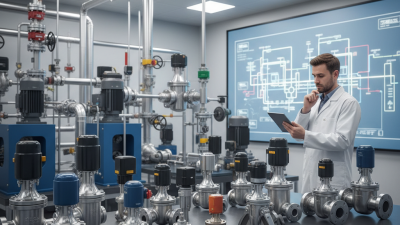
How to Choose the Right Valve Positioner for Your System?
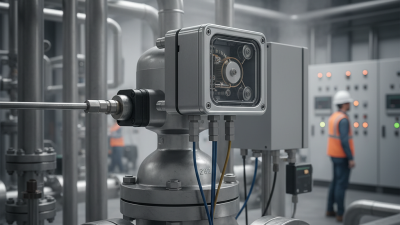
Choosing the right valve positioner for your system is crucial in optimizing performance. A valve positioner ensures valving accuracy and improves process control. According to a recent report by the International Society of Automation, effective positioners can enhance system efficiency by up to 25%. This highlights their importance in various industrial applications.
Industry expert Dr. Emily Carter says, "An appropriate valve positioner is vital for achieving reliable and efficient process automation." With numerous options available, selecting the right one can be challenging. Different systems have unique needs, calling for a careful assessment of features.
Consider aspects such as response time, communication protocols, and installation requirements. Balancing these factors is pivotal for effective integration. Misjudgments in selection can lead to operational inefficiencies and increased costs. Thus, careful evaluation is essential to avoid potential pitfalls in your automation strategy.
Understanding the Basics of Valve Positioners and Their Functionality
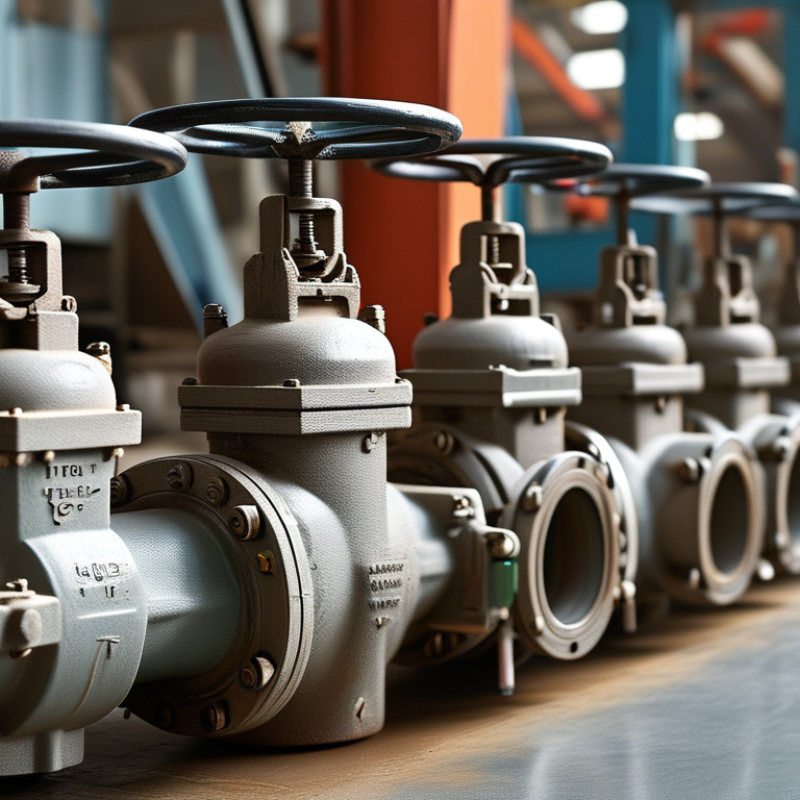
Valve positioners are essential devices that ensure precise control of valve movements. They act as an interface between the control signal and the actuator, translating commands into exact valve positions. This functionality is critical in various industries, such as oil and gas, water treatment, and power generation. According to a recent industry report, about 75% of industrial processes rely on accurate valve positioning for optimal performance.
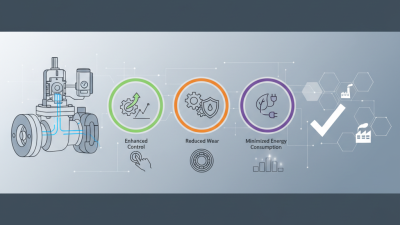
Effective valve positioners can reduce energy consumption by 20% and enhance process efficiency. Proper selection involves understanding specific system requirements, including the types of valves, application conditions, and control signal types. Factors like response time and sensitivity also play a significant role. Choose a positioner that can offer the necessary feedback and adjust based on process changes.
Tip: Always evaluate the environmental conditions of your system. Extreme temperatures and humidity can impact performance. Selecting a robust valve positioner suited for these conditions will increase reliability.
Moreover, it’s vital to consider integration capabilities with existing automation systems. Poor compatibility can lead to system inefficiencies and increased operational costs. Investing time in research will yield a better long-term solution.
How to Choose the Right Valve Positioner for Your System?
Key Factors to Consider When Selecting a Valve Positioner
Choosing the right valve positioner for your system is crucial. Several factors play a role in this selection process. First, consider the actuator's type. Various actuators require specific positioners for optimal performance. The positioner's compatibility with your system should be verified to prevent operational mishaps.
Signal type is another important factor. Many systems use either 4-20 mA or digital signals. Ensure that the valve positioner you select can handle the signal type used in your application. Some positioners offer multiple signal options, enhancing flexibility.
Tips: Always review the environmental conditions. High temperatures or humidity levels can affect performance. Consider positioners with robust design features to withstand such conditions. Also, evaluate your system's response time requirements. A faster response ensures better process control.
While selecting a positioner, examine if it has self-diagnostic features. These can alert operators to issues before they escalate. However, be aware that not all designs meet this need. Periodically reassess your choice based on system changes. This reflection can lead to better operational efficiency down the road.
Types of Valve Positioners and Their Applications in Systems
When selecting a valve positioner for your system, understanding the types is essential. There are generally three main types: pneumatic, electric, and digital positioners. Pneumatic positioners are often favored in industries like oil and gas. They operate based on air pressure, which makes them reliable in hazardous areas.
Electric positioners, on the other hand, are gaining traction in modern systems. They offer precise control and can easily integrate with digital monitoring systems. Their electrical nature allows for rapid response times. However, they may require a reliable power source, which can be a limitation in some environments.
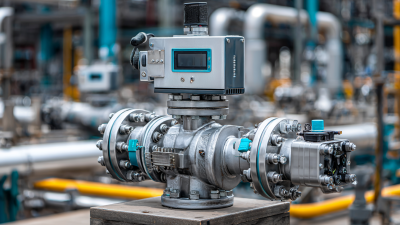
Digital positioners provide advanced features like self-calibration and diagnostics. They are useful for complex automated processes. Yet, they can be more expensive and require skilled personnel for maintenance. Each type has its strengths and weaknesses. Evaluating your system's demands is crucial. Don't overlook the environment, as temperature and humidity can affect performance. Balancing cost, reliability, and technology will guide you to the right choice.
How to Choose the Right Valve Positioner for Your System? - Types of Valve Positioners and Their Applications in Systems
| Type of Valve Positioner |
Application |
Key Features |
Best Use Cases |
| Digital Valve Positioner |
Process Automation |
Advanced diagnostics, self-calibration |
Oil & Gas, Water Treatment |
| Pneumatic Valve Positioner |
Industrial Processes |
Reliable, easy to maintain |
Chemical Facilities, Power Generation |
| Electro-Pneumatic Valve Positioner |
Precision Control |
High accuracy, minimal drift |
Manufacturing, Refining |
| Smart Valve Positioner |
Advanced Monitoring |
Integration with automation systems |
Data Analytics, Predictive Maintenance |
| Spring-Return Valve Positioner |
Safety Applications |
Fail-safe position in power loss |
Emergency Shutdown Systems |
Evaluating Performance Specifications for Valve Positioners
When selecting a valve positioner, evaluating performance specifications is crucial. Reports indicate that improper valve positioning can lead to a 30% efficiency loss in industrial systems. Accuracy is paramount. A good positioner should maintain an accuracy of ±1% of full scale. Systems frequently operate under varying pressure conditions, generating nonlinearities. Thus, choosing a positioner with robust specifications can minimize these issues.
Response times play a key role in operation efficiency. A high-quality positioner should achieve response times under one second for optimal performance. Fast response mitigates the risk of process upset. Additionally, consider operational temperature ranges. Valve positioners must withstand specific thermal conditions to ensure durability and reliability, with some environments pushing limits beyond standard.
Monitoring and diagnostic capabilities are also essential. Advanced positioners offer diagnostic data that helps prevent system failure. However, many users overlook this feature, risking unanticipated downtimes. Regular assessments of these specifications can illuminate potential weaknesses. Selecting the right valve positioner ultimately hinges on a detailed understanding of these performance parameters. Without proper evaluation, you may compromise system integrity.
Maintenance and Troubleshooting Tips for Valve Positioners
Maintaining valve positioners is crucial for optimal performance. Regular checks can prevent unexpected failures. Start with routine inspections. Look for signs of wear or damage. Ensure that the pneumatic lines are leak-free. Small leaks can lead to significant issues. Checking connections frequently can save time and resources in the long run.
Troubleshooting is an essential skill. If a valve does not respond as expected, examine the control signal. A weak signal can lead to improper valve positioning. Inspect the feedback mechanism as well. Misalignment can cause erratic behavior. Sometimes, the alignment issues are subtle. Don’t overlook minor details during maintenance.
Even seasoned technicians can miss signs of malfunction. A fresh set of eyes can catch what you might overlook. Document any frequent issues you encounter. This log can assist in identifying patterns over time. Regular training on troubleshooting techniques is vital. The more knowledgeable your team, the better your system performs.