Choosing the right Advertising Light Boxes requires more than comparing prices or brightness ratings. A strong display must attract attention, present colors accurately, and remain dependable in daily operation. According to the Outdoor Advertising Association of America’s 2023 revenue report, U.S. out-of-home advertising generated approximately $9.1 billion. This figure reflects continued demand for visible, location-based communication. However, visibility alone does not guarantee performance.
The best choice depends on the installation environment. A retail window may need slim, edge-lit construction and controlled brightness. A roadside cabinet may require stronger weather protection, safer electrical components, and wider viewing angles. LED systems can also reduce operating demands. The U.S. Department of Energy reports that LEDs use at least 75% less energy than incandescent lighting and last much longer. The comparison is not perfectly identical for every light box, but it remains a useful energy benchmark.
Look closely at light distribution, diffuser quality, color temperature, and maintenance access. Uneven illumination can create dark corners, visible hotspots, or weak brand colors. Those problems often appear after installation, not inside a product brochure. They are easy to underestimate.
There is no universal winner.
Industry research from Grand View Research identifies continuing growth in digital signage and display technologies, yet printed and backlit formats still offer simplicity and reliable visual impact. A professional evaluation should balance purchase cost, energy use, replacement access, viewing distance, and site conditions. Before selecting Advertising Light Boxes, question every specification that sounds impressive but lacks testing evidence. A brighter box may consume more power without producing better communication. A thinner frame may also make servicing unnecessarily difficult.
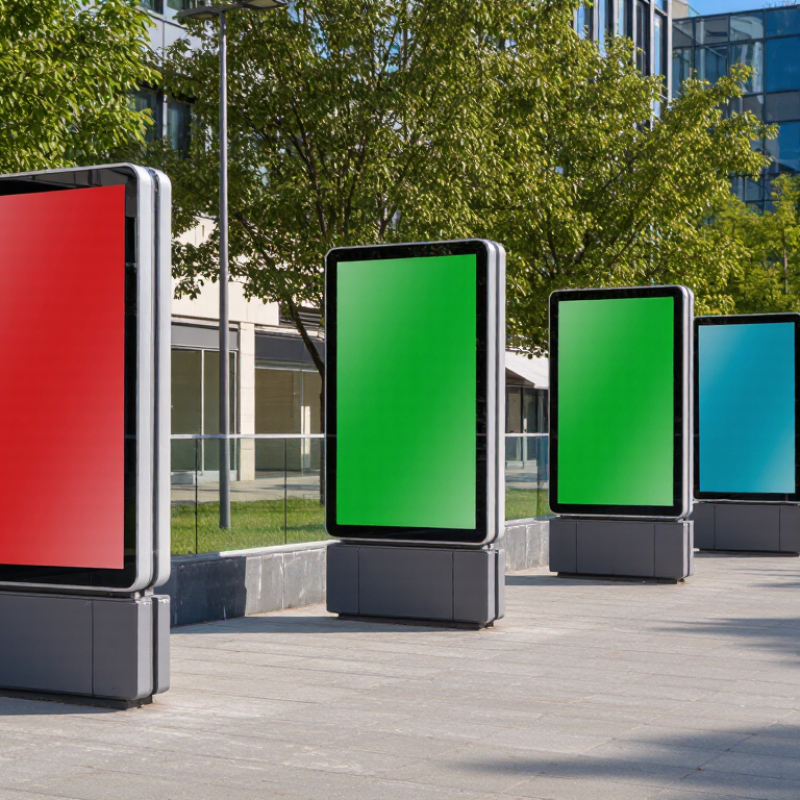
Advertising light boxes are illuminated display units used to make printed graphics visible in dim or busy spaces. They usually contain LEDs, a printed fabric or acrylic graphic, a diffuser, and a rigid frame. The LEDs send light through or across the graphic, creating an even, attention-catching surface.
Two common designs are backlit and edge-lit. Backlit boxes place LEDs behind the image, while edge-lit models guide light from the frame edges. A diffuser reduces bright spots and shadows. In practice, even lighting depends on LED spacing, graphic material, and box depth.
I once assumed higher brightness always meant better visibility. That assumption was wrong. Excessive brightness can cause glare and make text harder to read.
When choosing a light box, check its viewing distance, installation location, and daily operating time. A shallow unit may suit a retail wall, but a deeper box can distribute light more evenly. Look for replaceable graphics, secure wiring, suitable ventilation, and certified electrical components. Measure the available space carefully. Small errors become obvious after installation. For outdoor use, confirm weather resistance and protection ratings instead of relying on appearance alone. Ask for lighting specifications, warranty details, and maintenance guidance. These details reveal whether the unit is designed for dependable use or only attractive photography.
How to Choose the Best Advertising Light Boxes?
The right display type depends on your advertising goal, not only your available space. A double-sided light box suits busy walkways because people can view the message from both directions. For a shop window, a slim single-sided box may create strong visibility without blocking products or natural light. Measure the viewing distance carefully. A design that looks clear nearby can appear weak across a wide entrance.
For frequent campaign changes, fabric graphics with hidden illumination offer a clean, flexible solution. They are lightweight and easier to replace than rigid panels. Acrylic light boxes can deliver sharper, more polished images, but scratches may become visible under strong lighting. Hanging displays work well at trade events, while freestanding units guide visitors through larger spaces. Think about movement, not just appearance.
I have seen teams choose the brightest display and overlook glare. That decision made small text difficult to read. Brightness should match the room, viewing angle, and surrounding light. Check color consistency across the entire panel, especially in dim areas. Leave access for LED maintenance and cable inspection. I once underestimated installation time, and the campaign opened with uneven lighting. The lesson was uncomfortable but useful: test a full-size sample before approving production. Even then, fabric tension and viewing height can change the result.
| Display Type | Best Advertising Goal | Typical Installation | Lighting Method | Typical Brightness Range | Graphic Change Process | Main Advantages | Key Limitations | Recommended Use |
|---|---|---|---|---|---|---|---|---|
| Fabric SEG Light Box | Large-format branding and premium visual presentation | Wall-mounted, freestanding, or modular exhibit structure | Internal LED modules or LED strips | Approximately 800–1,500 nits, depending on construction and graphic fabric | Remove the silicone-edge fabric and insert a replacement graphic | Seamless appearance, lightweight graphics, strong color coverage, and fast campaign updates | Requires accurately finished graphics and careful fabric tensioning | Trade shows, retail campaigns, showrooms, reception areas, and branded environments |
| Snap-Frame LED Light Box | Frequent poster replacement and promotional messaging | Wall-mounted or freestanding floor unit | Edge-lit or backlit LED system | Approximately 500–1,000 nits for indoor applications | Open the hinged frame, remove the protective cover, and replace the poster | Quick graphic changes, easy access, and broad availability of standard poster sizes | Visible frame borders and less seamless appearance than fabric systems | Retail promotions, shopping centers, cinemas, hotels, and point-of-sale displays |
| Acrylic Face-Lit Light Box | Durable signage and clear brand identification | Wall-mounted or suspended from a ceiling | LED illumination behind translucent acrylic or polycarbonate | Approximately 700–1,200 nits for indoor and sheltered outdoor use | Usually requires removing the face panel or service cover | Rigid surface, easy cleaning, good durability, and a structured appearance | Heavier than fabric displays and generally slower to update | Permanent indoor signs, building directories, hospitality venues, and service counters |
| Edge-Lit Slim Light Box | Space-efficient advertising in modern interiors | Wall-mounted or suspended | LEDs positioned along the edge of an acrylic light guide | Approximately 400–900 nits, depending on size and light-guide quality | Replace the graphic panel or printed film after opening the frame | Slim profile, low visual weight, and lower material consumption than deep boxes | Very large formats may show uneven illumination if not properly engineered | Office interiors, airports, corridors, boutiques, and high-end retail spaces |
| Outdoor LED Light Box | High-visibility advertising in daylight and changing weather | Building façade, roadside structure, pole, or outdoor freestanding frame | High-output internal LED modules with weather-resistant enclosure | Approximately 1,500–5,000 nits, subject to local regulations and viewing conditions | Service access may require tools, lifting equipment, or trained personnel | Strong daytime visibility, durable construction, and suitability for long operating hours | Higher purchase, installation, maintenance, and permitting requirements | Building signage, transit areas, roadside advertising, and outdoor retail promotions |
| Double-Sided Freestanding Light Box | Reaching audiences from two traffic directions | Floor-standing with a weighted base or fixed support | Backlit LED modules on both display faces | Approximately 600–1,500 nits per side for indoor or sheltered locations | Access depends on the frame design; common systems use removable covers or fabric graphics | High exposure from multiple directions and efficient use of floor space | Needs adequate floor space, stability, and safe cable management | Store entrances, event venues, transportation hubs, and aisle-based promotions |
| Portable Folding Light Box | Temporary campaigns, mobile events, and rapid deployment | Portable floor-standing display | Integrated LED modules or LED strips | Approximately 500–1,200 nits for indoor event environments | Attach or remove lightweight fabric graphics after folding or unfolding the frame | Fast setup, compact storage, reusable hardware, and convenient transportation | Less suitable for permanent installations or harsh outdoor conditions | Exhibitions, conferences, product launches, pop-up stores, and touring promotions |
Note: Brightness values are practical reference ranges for typical display applications. Actual performance depends on LED efficiency, graphic material, viewing distance, ambient light, enclosure depth, and local safety or brightness regulations.
Choosing an advertising light box starts with viewing distance, not the frame alone. A shop window needs different proportions from a roadside display. Measure the available width, height, and depth before comparing prices. A box that looks impressive online may crowd a narrow aisle. For close viewing, readable details matter more than oversized graphics. Test a paper mock-up at the installation point. This simple step often reveals awkward proportions.
Material choice affects weight, durability, and maintenance. Aluminum frames are light and resist corrosion, making them practical for frequent relocation. Steel can feel sturdier, but its extra weight complicates wall mounting. Acrylic faces create a clean appearance, while fabric covers hide minor creases during transport. Yet fabric may absorb dust in busy retail areas. Ask how panels open, how parts are replaced, and whether edges remain safe to handle. I have seen attractive units fail because access screws were difficult to reach. That detail is easy to miss.
Compare lighting by brightness, uniformity, color temperature, and energy use. LED systems usually run cooler and need less maintenance than older light sources. Check for dark corners, hot spots, and glare from the viewing angle. A neutral white tone often suits product displays, but surrounding light can change its appearance. Request a lit sample, not only a specification sheet. Measure brightness across the graphic surface if possible. Some tests feel excessive. They prevent expensive guesswork. Also check cable routing and timer compatibility before installation.
Compare size, materials, and lighting by reviewing illuminated area and estimated LED power requirements.
Larger light boxes provide more illuminated area and visibility, but they require more wall space, stronger mounting, and higher power consumption.
Aluminum frames are lightweight and corrosion-resistant. Acrylic faces provide even light transmission, while fabric faces are lighter and easier to replace on large displays.
LED lighting is generally preferred for advertising light boxes because it offers long service life, low heat output, and consistent illumination.
Planning estimates use common display dimensions and an illustrative LED load of 50 watts per square meter. Actual power requirements vary by LED layout, diffuser, brightness, and operating conditions.
Choosing an advertising light box begins with visibility, not maximum brightness. Ask for measured luminance and uniformity data, preferably from a controlled sample test. A quality diffuser should prevent bright corners, dark bands, and visible LED dots. Compare the panel at viewing distance, not only on a workshop table. Check color rendering too. Neutral white light often keeps printed colors believable, although the ideal tone depends on the artwork and surroundings.
Durability depends on construction and maintenance access. Look for a rigid aluminum frame, impact-resistant face material, sealed edges, and a tested outdoor protection rating. Heat is a quiet enemy. Ventilation space and a reliable power supply help LEDs maintain output over time. Ask how the panel handles moisture, dust, ultraviolet exposure, and repeated cleaning. A common field failure occurs when installers ignore condensation behind the graphic. That detail deserves a written installation plan.
Energy efficiency is more than a low wattage label. Compare lumens per watt, expected service life, standby consumption, and brightness control. Dimming schedules or daylight sensors can reduce electricity use in bright interiors. Choose replaceable components when possible; a failed driver should not force disposal of the entire box. One caution: calculated savings may look impressive, but real results change with operating hours and maintenance habits. Record those assumptions before approving the purchase.
Choosing the best advertising light box starts with its location and viewing distance. A shop window needs a different solution from a busy indoor corridor. Measure the available wall space before ordering. A box that is too shallow may look dim, while an oversized unit can dominate the display.
Check brightness, color consistency, and energy use. Even illumination matters more than extreme brightness. Ask for measured light output and inspect a working sample when possible. For printed graphics, choose a diffuser that prevents visible hotspots. Durable aluminum frames suit frequent graphic changes, while sealed construction helps in dusty or humid areas. I have found that ignoring cable access creates annoying installation problems later.
Tips: Clean the acrylic face with a soft, damp cloth each month. Avoid abrasive sprays. Check connectors, timers, and mounting points regularly. Keep ventilation openings clear. Replace yellowed diffusers promptly.
Maintenance should follow the environment. A roadside unit may need more frequent cleaning than an office display. Look for flickering LEDs, dark corners, loose frames, or fading graphics. These signs often appear before complete failure. Keep a simple inspection record with dates and replaced parts. It sounds unnecessary, but it helps reveal repeated faults. No installation stays perfect forever. Even careful planning can miss glare from nearby glass, so review the display at morning, noon, and evening.
1272 Speers Rd Unit 4
Oakville ON Canada L6L 2X4
©Copyright 2020 Gosco Valves. All rights reserved.