What is a Cnc Machining Center and How Does It Work?
A Cnc Machining Center is a pivotal tool in modern manufacturing. It combines multiple machining processes into a single setup, significantly enhancing productivity. According to a report by MarketsandMarkets, the CNC machining market is projected to reach $100 billion by 2026, highlighting its growing importance.
These centers operate through precise computer controls that guide machining tools. This leads to tighter tolerances and improved quality in parts. A study by the American Society of Mechanical Engineers shows that CNC machining can reduce production time by up to 75%. Despite these advantages, companies may face challenges when integrating CNC technologies. Initial investments are substantial, and training personnel can be resource-intensive.
The reliability of a CNC Machining Center also depends on regular maintenance and software updates. Manufacturers must continually refine their processes. Without such efforts, efficiency gains may diminish over time. In this fast-evolving field, businesses must stay informed about technological advances to remain competitive.
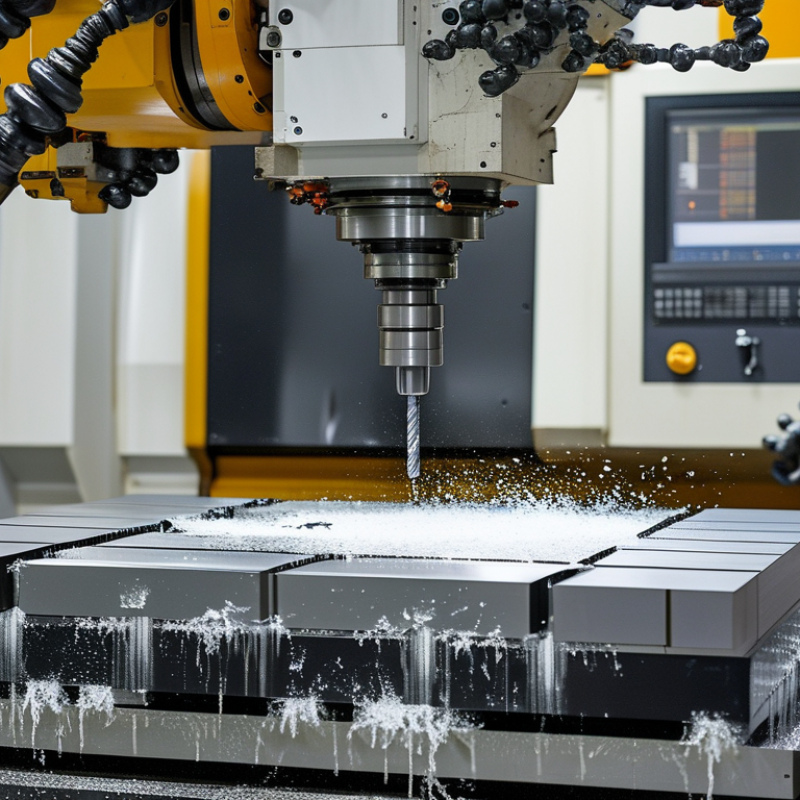
What is a CNC Machining Center? Definition and Overview
A CNC (Computer Numerical Control) machining center is an advanced manufacturing tool. It combines various machining operations in one automated system. This allows for greater efficiency and precision in production processes. Recently, the CNC machining market was valued at about $70 billion and is expected to grow steadily. A major driver for this growth is the rising demand for precision engineering across various industries.
CNC machining centers are equipped with multiple axes, generally ranging from three to five. This design enables them to perform complex cutting and shaping tasks with minimal manual intervention. Data from industry reports indicate that companies utilizing CNC technology can enhance their production speed by 30% or more. However, there are challenges in transitioning from traditional methods to CNC systems. Training staff and managing the initial setup can be significant hurdles. As manufacturers seek efficiency, they must address these transitional difficulties to reap the full benefits of CNC machining.
The effectiveness of a CNC machining center lies in its precision. These machines achieve tolerances of less than one micron. This level of accuracy is critical in sectors like aerospace and automotive. Yet, the high initial investment can deter smaller manufacturers. They might feel overwhelmed by the technology's complexity. This reality emphasizes the need for a balanced approach, blending traditional craftsmanship with modern machinery.
Key Components of a CNC Machining Center and Their Functions
A CNC machining center is a sophisticated manufacturing tool designed for precision machining. The key components that make up this system are crucial for its efficiency and functionality. The main parts include the spindle, control panel, tool changer, and worktable. Each plays a specific role in the machining process.
The spindle is the heart of the machining center. It rotates the cutting tool at high speeds, allowing for precise material removal. According to a recent industry report by Market Research Future, the global CNC machine market is projected to grow by 8.5% annually. This growth is largely attributed to advancements in spindle technology, enhancing speed and precision. Moreover, the control panel serves as the interface between the operator and the machine, making programming intuitive.
Tool changers are also essential. They enable quick swaps between different tools, reducing downtime. Efficiency studies indicate that a high-quality tool changer can cut operational costs by up to 20%. The worktable holds the material securely in place. Ensuring the worktable's stability is vital; any vibration can lead to inaccuracies. Understanding these components highlights the complexity and reliability of CNC machining centers, while also acknowledging the challenges they face in evolving technology.
How CNC Machining Centers Achieve Precision: Technology Breakdown
CNC machining centers are essential for achieving high precision in manufacturing. They utilize advanced technologies like Computer Numerical Control (CNC) to automate the machining process. This automation enhances accuracy and reduces human error. According to a report by Grand View Research, the global CNC machine market is expected to reach USD 100 billion by 2025, highlighting the growing reliance on CNC technology in various industries.
The precision of CNC machining centers stems from the integration of advanced software and hardware. Modern centers utilize multi-axis machining, allowing tools to move along multiple paths simultaneously. This capability enables complex geometries to be crafted with ease. A study from Wohlers Associates reported that additive manufacturing combined with CNC technologies could lead to significant time and cost savings. However, it’s crucial to note that while CNC technology allows for intricate designs, it can also lead to production inconsistencies if not properly managed.
Operators must possess a solid understanding of both machining processes and computer programming. The learning curve can be steep, and errors in programming may result in considerable waste of materials. Regular calibration and maintenance of the CNC machines are essential to maintain precision. Over-dependence on technology without adequate operator skills can lead to challenges in achieving the desired quality of products. Continuous training and assessment are vital for optimizing the benefits of CNC machining centers in modern manufacturing.
Common Applications of CNC Machining in Various Industries
CNC machining is prevalent in many industries. Its precision and efficiency make it a preferred choice for manufacturing parts. According to recent industry reports, the global CNC machining market is projected to reach $100 billion by 2025. This growth reflects its importance across sectors.
In aerospace, CNC machining ensures high precision. Complex components are produced, meeting strict safety standards. The automotive industry benefits as well, using CNC for engine parts and chassis. A study shows that 60% of automotive manufacturers rely on CNC technology for efficiency and cost savings.
For best practices, focus on machine maintenance. Regular checks ensure precision is maintained. Additionally, consider staff training. Skilled operators can enhance productivity and safety. Automation in CNC can also streamline processes, reducing human error. Stay updated on technology trends to keep your operations thriving.
Benefits of Using CNC Machining Centers: Efficiency and Accuracy Statistics
CNC machining centers are known for their efficiency and accuracy, revolutionizing manufacturing. These systems combine multiple functions, allowing for milling, drilling, and turning in one setup. This integration saves time and reduces errors, significantly boosting productivity.
Statistics show that CNC machining centers can improve production speed by up to 50%. They also enhance precision, often achieving tolerances within 0.001 inches. Utilizing CNC technology minimizes human error, leading to consistent quality across batches. However, setting up and programming these machines requires specialized knowledge.
Tips: Always ensure proper setup before running a CNC machine. Regular maintenance is crucial for optimal performance. Additionally, invest time in staff training to fully utilize these centers. Monitoring performance through regular audits can help identify areas for improvement. A small oversight can lead to wasted materials and time, underscoring the importance of attention to detail in CNC machining.
Efficiency and Accuracy of CNC Machining Centers


