What is a Duct Air Quality Monitor and How Does it Work?
Indoor air quality has become a pressing concern, particularly in commercial and residential settings. The introduction of a Duct Air Quality Monitor has transformed how we assess and manage indoor environments. According to the World Health Organization, poor indoor air quality can lead to various health issues, from respiratory problems to chronic illnesses. These monitors help in identifying pollutants and maintaining air quality standards.
Data from the Environmental Protection Agency indicates that indoor air can be more polluted than outdoor air by up to five times. This stark contrast highlights the need for effective monitoring and management. Duct Air Quality Monitors are designed to track levels of volatile organic compounds, carbon dioxide, and particulate matter. They provide real-time insights and help ensure a healthier living or working space.
Moreover, the market for air quality monitoring devices is projected to grow significantly. Reports suggest a compound annual growth rate of over 7% by 2025. While the technology is advanced, challenges such as calibration and sensor accuracy still require attention. Continuous reflection on these aspects can lead to improved designs and better user experiences. Integrating a Duct Air Quality Monitor can ultimately enhance quality of life and operational efficiency.
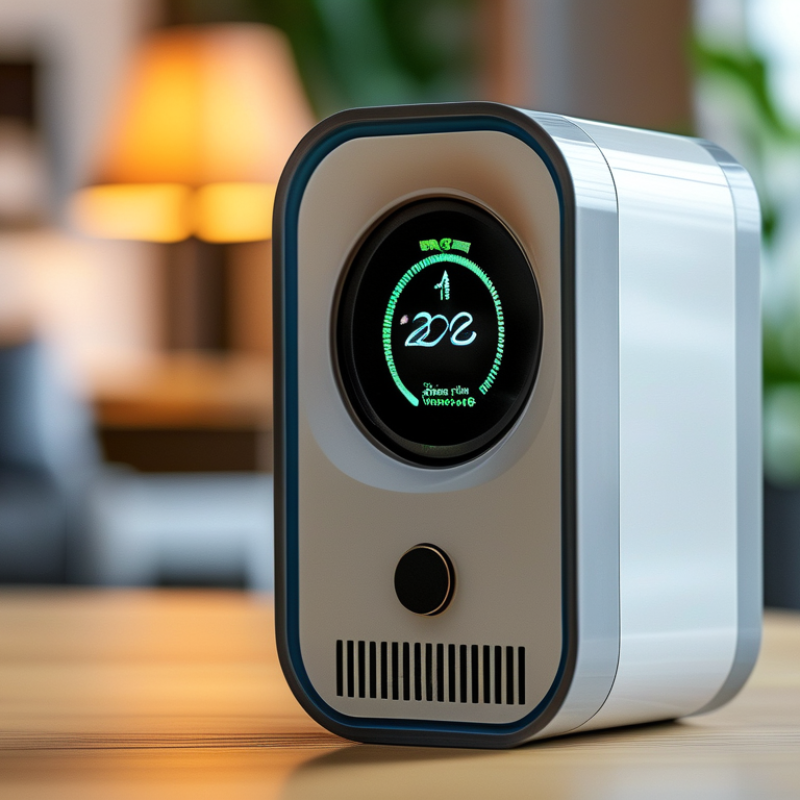
What is a Duct Air Quality Monitor?
A duct air quality monitor is a device designed to measure air quality within HVAC duct systems. It keeps track of various pollutants, such as carbon dioxide, volatile organic compounds, and particulate matter. These monitors are crucial for maintaining a healthy indoor environment. Poor air quality can lead to increased health issues and reduced comfort levels.
Operating a duct air quality monitor involves collecting air samples from the ducts. The device analyzes the data and provides real-time feedback. Understanding this information helps building managers make informed decisions. However, not all monitors provide the same level of accuracy. Some models may miss key indicators, prompting users to address potential air quality issues more cautiously.
Regular maintenance is vital for these monitors. Filters may become clogged, impacting performance. Calibration is essential to ensure reliable readings. Users must periodically inspect and service their devices. This step can prevent misunderstandings about air quality and health risks. Each building has unique needs, so a one-size-fits-all approach might not be effective. Continuous monitoring allows for better control and improved air quality over time.
Key Components of Duct Air Quality Monitors
Duct air quality monitors are essential tools for maintaining healthy indoor environments. These devices assess air quality in HVAC systems. They detect various pollutants, including particulate matter and volatile organic compounds (VOCs). Understanding their key components is critical.
The primary component of a duct air quality monitor is the sensor. These sensors can differentiate between different air pollutants. Some are designed for specific gases, while others provide broader detection capabilities. The accuracy of these sensors significantly influences performance. Maintenance and calibration are crucial for reliable readings.
Another important component is the data processing unit. This unit interprets the data collected by sensors. It translates measurements into understandable outputs. Users can rely on clear visualizations or alerts. User-friendly interfaces allow for easy interaction. However, the complexity of data can be overwhelming for some. Striking a balance between thorough analysis and straightforward presentation remains a challenge that manufacturers face.
How Duct Air Quality Monitors Measure Air Quality
Duct air quality monitors play a crucial role in assessing indoor air quality. They measure several parameters like particulate matter, volatile organic compounds (VOCs), and humidity levels. These devices are typically installed within duct systems, thereby providing real-time data about the air circulating in a building.
Recent studies indicate that poor indoor air quality can exacerbate health issues. The World Health Organization reports that around 4.3 million deaths each year are linked to indoor air pollution. Duct monitors help identify harmful pollutants, allowing for timely interventions. This technology can detect minute changes in air composition, providing alerts when levels exceed established safety thresholds.
In practice, these monitors utilize a variety of sensors. They convert data into actionable insights for building managers. However, some challenges remain. For instance, high installation costs may hinder widespread adoption. Also, accuracy can vary based on sensor quality and calibration. Continuous improvement is needed to enhance their reliability. Despite these limitations, duct air quality monitors represent a significant advancement in promoting healthier indoor environments.
Understanding the Benefits of Using Duct Air Quality Monitors
Duct air quality monitors are essential tools for maintaining a healthy indoor environment. These devices track pollutants and allergens within HVAC systems. By detecting contaminants, they help improve air quality significantly. Better air quality leads to healthier living spaces. This is particularly important for vulnerable groups like children and the elderly.
Using duct air quality monitors offers various benefits. For one, they help identify specific pollutants. Common issues include dust, mold, and volatile organic compounds. By monitoring these levels, building managers can take proactive measures to improve air conditions. Additionally, these monitors can lead to energy savings. By optimizing ventilation, systems work more efficiently, reducing energy costs.
However, relying solely on monitors isn’t enough. Regular maintenance of HVAC systems is still vital. Dirty filters can still harbor pollutants, even with monitoring in place. It's a reminder that technology complements human action. A comprehensive approach ensures the best air quality possible. Overall, duct air quality monitors are valuable, but they require responsible use and attention.
Applications of Duct Air Quality Monitoring in Various Settings
Duct air quality monitors play a crucial role in enhancing indoor air environments across various settings. They are especially beneficial in commercial buildings, schools, and healthcare facilities, where air quality directly impacts health and productivity. According to a report by the American Society of Heating, Refrigerating and Air-Conditioning Engineers (ASHRAE), poor indoor air quality can lead to decreased productivity by up to 11%.
In schools, duct air quality monitors help track pollutants like CO2 and formaldehyde. Studies indicate that students perform better in well-ventilated classrooms. In hospitals, monitoring is essential to control pathogens and volatile organic compounds. A study published in the Journal of Indoor Air highlights that effective air quality management can reduce infection rates in clinical settings by 20%.
Despite the advancements in air quality monitoring technology, challenges remain. Many facilities lack adequate systems for real-time data analysis, and decision-makers often struggle with interpreting the data correctly. Furthermore, reliance on equipment alone can overlook localized air quality issues that vary by room or time of day. Consistent monitoring is vital, but it is equally important to pair this data with actionable strategies for air quality improvement.


