Choosing among China’s best smart valve manufacturers requires more than comparing prices or product photographs. A reliable selection begins with process conditions: media type, pressure, temperature, flow rate, valve size, and actuator requirements. The right supplier should explain these details clearly. Not vaguely.
Dr. David W. Spitzer, a respected instrumentation and control specialist, has emphasized, “The control valve is the final control element in most process control loops.” This principle remains important when evaluating a smart valve. A valve may include digital communication, position feedback, and predictive diagnostics, but these features cannot compensate for poor sizing. Ask manufacturers for sizing calculations, material certificates, test records, and communication compatibility. Check whether their engineers understand Modbus, HART, or fieldbus integration. Also examine how the valve performs in real facilities, not only in a polished catalog.
Experience often appears in small details. Does the supplier recommend stainless steel for a corrosive chemical line? Can it provide a replacement actuator quickly? Does its test report identify leakage rates under defined conditions? These answers reveal practical competence. Certifications matter, but they should support evidence, not replace it. A factory tour, sample inspection, or independent audit may expose weaknesses early.
The process is not perfect. Product claims can sound impressive, while after-sales support remains uncertain. Buyers should compare several manufacturers and document every technical assumption. The cheapest smart valve may become expensive after repeated calibration, software problems, or delayed spare parts. Careful questioning creates a more reliable shortlist and reduces unpleasant surprises after installation.

Smart valves combine a valve body, actuator, sensors, and digital communication. They do more than open or close a pipeline. They report position, pressure, temperature, and operating conditions in near real time. This visibility helps maintenance teams detect friction, leakage, or abnormal movement before a shutdown occurs.
The market is expanding. MarketsandMarkets projects the global smart valves market to grow from about USD 8.3 billion in 2023 to USD 12.6 billion by 2028, at a compound annual growth rate of 8.7%. The report connects this growth with process automation, predictive maintenance, and stricter efficiency requirements. However, market growth does not guarantee good results. A valve installed without correct sizing, calibration, or network planning may create new problems.
Details matter. A practical selection should examine response time, measurement accuracy, actuator torque, communication protocols, enclosure protection, and maintenance access. The International Society of Automation emphasizes lifecycle security and control-system reliability, which also apply to connected valve devices. A smart valve should provide useful diagnostics, not merely display more data. That distinction is often missed. Before choosing a manufacturer in China, engineers should request test records, calibration procedures, cybersecurity controls, and evidence from comparable operating environments. Factory demonstrations can look impressive, but field conditions are less forgiving.
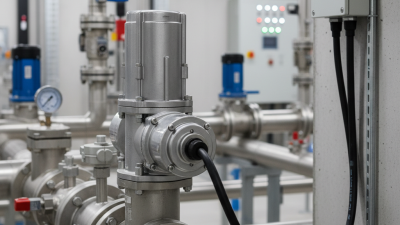
When choosing among China’s best smart valve manufacturers, buyers should evaluate performance beyond product photos. Check flow accuracy, pressure range, response time, and actuator compatibility. A valve controlling chilled water may need different materials than one handling steam. Confirm the body alloy, seal type, and temperature rating with documented test data.
Communication features also matter. The valve should support the protocols used by your control system, such as Modbus or Ethernet-based communication. Look for position feedback, remote calibration, cycle counting, and alarm records. These features help maintenance teams find a failing actuator before production stops. Fail-safe operation is essential too. Ask whether the valve closes, opens, or holds position during power loss. Do not assume every “smart” model offers the same protection.
Tips: Request a sample test under real operating conditions. Compare pressure drops, noise, wiring effort, and calibration time. Ask for inspection reports, traceability records, and a clear warranty process. Cybersecurity deserves attention when valves connect to plant networks; password controls and firmware management should be explained. In practice, dashboards can look impressive but provide weak diagnostic detail. I have seen buyers focus on connectivity and overlook seal wear. That mistake becomes expensive. Also, review spare-part availability and technical support before approving the supplier. A lower purchase price may not reduce the total cost.
| Evaluation Dimension | Feature or Specification | Relevant Technical Data | Why It Matters to Buyers | What to Verify |
|---|---|---|---|---|
| Valve Application | Media compatibility and service type | Water, steam, air, gas, chemicals, slurry, and other media require different body, trim, seal, and actuator materials. | Incorrect material selection can cause corrosion, leakage, premature wear, or unsafe operation. | Request a material compatibility statement based on the actual medium, concentration, temperature, and pressure. |
| Flow Control | Flow coefficient and control characteristic | Common valve characteristics include linear and equal-percentage. The required Cv or Kv should be calculated from flow, pressure drop, density, and temperature. | Correct sizing improves controllability, reduces energy loss, and helps prevent cavitation, flashing, and excessive noise. | Compare the sizing calculation with certified flow curves and the intended operating range. |
| Actuation | Electric or pneumatic actuator selection | Electric actuators require suitable voltage and duty rating. Pneumatic actuators require adequate instrument-air pressure and air quality. | The actuator must provide enough torque or thrust throughout the valve stroke without overheating or stalling. | Check torque or thrust curves, operating time, duty cycle, supply requirements, and actuator margin. |
| Position Feedback | Continuous position measurement | Typical feedback options include 4–20 mA, 0–10 V, potentiometric feedback, magnetic sensing, or digital position reporting. | Reliable feedback supports closed-loop control, fault detection, commissioning, and predictive maintenance. | Confirm feedback accuracy, signal isolation, resolution, calibration method, and behavior during power loss. |
| Communication | Industrial protocols and integration | Common interfaces include 4–20 mA, HART, Modbus RTU, Modbus TCP, PROFIBUS, PROFINET, and Ethernet-based protocols. | Protocol compatibility reduces integration work and allows access to diagnostic, configuration, and operating data. | Verify the exact protocol version, register map, baud rate options, cybersecurity functions, and PLC or DCS compatibility. |
| Safety Function | Fail-safe action and emergency response | Common fail positions are fail-open, fail-closed, and fail-in-place. Some systems use a spring-return actuator or an external backup power source. | The correct failure position helps protect people, equipment, and the process during power, signal, or air failure. | Document the required failure mode and test it under loss of power, communication, control signal, and instrument air. |
| Environmental Protection | Enclosure rating and operating environment | IEC 60529 IP ratings define protection against solids and water. IP65 protects against dust and water jets; IP67 also covers temporary immersion under specified test conditions. | Suitable protection improves reliability in outdoor, washdown, dusty, humid, or corrosive environments. | Check the certified IP rating, ambient temperature range, humidity limits, corrosion protection, and hazardous-area approvals where applicable. |
| Pressure and Temperature | Pressure class and temperature range | Pressure ratings depend on the applicable standard, valve material, size, and temperature. Flange standards may include ASME B16.5 or EN 1092-1. | Operating limits must remain within the valve body, trim, seal, flange, and actuator ratings. | Compare the nameplate ratings and pressure-temperature charts with the maximum allowable working conditions. |
| Leakage Performance | Seat leakage and shutoff class | Control valves may be tested to IEC 60534-4 or equivalent requirements. Shutoff performance varies by valve design and leakage class. | Low leakage can reduce product loss, emissions, contamination, and process instability. | Request the specified leakage class, test medium, test pressure, acceptance criteria, and test certificate. |
| Materials | Body, trim, seat, and seal materials | Common materials include carbon steel, stainless steel, ductile iron, PTFE, elastomers, and metal-alloy trim; selection depends on service conditions. | Material quality affects corrosion resistance, temperature capability, service life, and maintenance frequency. | Verify material certificates, traceability, seal compound, surface treatment, and compatibility with the process medium. |
| Accuracy and Stability | Positioning accuracy, repeatability, and hysteresis | Actual performance depends on the actuator, positioner, valve friction, load, signal quality, and installation. Values must be stated in the product datasheet or test report. | Stable positioning is essential for precise temperature, pressure, flow, and level control. | Ask for measured accuracy, repeatability, hysteresis, deadband, and test conditions rather than relying only on nominal claims. |
| Diagnostics | Condition monitoring and fault reporting | Useful diagnostics may include travel deviation, blocked valve detection, excessive friction, cycle count, temperature monitoring, and event logs. | Diagnostics help identify developing faults before they cause unplanned downtime. | Confirm which diagnostic data is available locally, through the control system, or through a maintenance software tool. |
| Standards and Certification | Design, testing, and conformity documentation | Relevant references may include IEC 60534, ISO 5211, IEC 60529, ISO 9001, pressure-equipment requirements, and local regulatory standards. | Standards-based documentation makes technical comparison, acceptance testing, and regulatory approval easier. | Request current certificates, declarations, calibration records, inspection plans, and applicable test reports. |
| Maintenance | Serviceability and spare-parts support | Important factors include replaceable seals, accessible terminals, modular electronics, standard mounting interfaces, and documented maintenance intervals. | Good serviceability lowers lifecycle cost and shortens repair time. | Evaluate spare-parts availability, repair procedures, expected lead times, warranty terms, and technical support coverage. |
| Factory Verification | Inspection and functional testing | Typical checks include pressure testing, seat-leakage testing, actuator stroke testing, signal verification, communication testing, and calibration. | Factory testing confirms that the delivered assembly meets the approved specification before installation. | Require a quality-control plan and test records linked to the valve serial number or project identification. |
Note: Smart valve performance depends on the complete valve assembly, including the body, trim, actuator, positioner, sensors, wiring, and control system. Buyers should compare certified test data under identical operating conditions rather than comparing isolated headline specifications.
Comparing China’s smart valve manufacturers requires more than reading product catalogs. Start with application evidence: media type, pressure range, temperature, pipe size, and control protocol. A capable supplier should explain why its valve fits the process, not simply recommend the newest model. Ask for datasheets, dimensional drawings, wiring diagrams, and traceable test records. Small details matter.
During supplier evaluation, inspect engineering depth and production consistency. Request a live factory video or an independent audit covering machining, assembly, calibration, and final inspection. Check whether each actuator receives torque testing and whether every finished valve has a serial-linked report. Review experience with Modbus, HART, or other required communication systems. Sample units should match the approved drawings. This is often overlooked.
Reliability also depends on support after shipment. Compare response times, spare-part availability, software updates, commissioning guidance, and warranty terms in writing. Ask for references from similar water, HVAC, chemical, or process installations, then verify the operating conditions. Certifications can support credibility, but certificates alone do not prove field performance. A supplier may have strong hardware and weak documentation. That warning deserves attention. Leave room for a pilot order, because assumptions made from one meeting can be wrong.
Selecting a smart valve manufacturer requires more than comparing prices or browsing polished websites. Check whether the factory controls materials, machining, assembly, calibration, and final testing. Ask for traceable records, including heat numbers, pressure-test results, torque readings, and software version histories. A reliable supplier should explain failure rates honestly, not hide behind attractive brochures. Factory experience matters when valves must operate under vibration, temperature changes, corrosive media, or frequent cycling.
Certification must match the application and destination market. ISO 9001 indicates a quality management system, but it does not guarantee every valve performs well. Request relevant test reports for pressure, leakage, electrical safety, ingress protection, and electromagnetic compatibility. For safety-related systems, review applicable functional-safety evidence and independent assessment. Check whether certificates cover the exact model, actuator, and production site. Sometimes, documents look complete but exclude the configuration you need.
Service standards reveal a manufacturer’s practical reliability. Confirm response times, spare-parts availability, commissioning support, firmware control, and training arrangements. A professional supplier should provide clear manuals, wiring diagrams, calibration procedures, and English-language technical communication. Ask how remote diagnostics protect access credentials and operational data.
I once treated certification as the final decision point; that was too simple. Field support and installation discipline often determine real performance. No supplier is flawless. The important question is how openly it records problems, corrects them, and prevents repetition.
Selecting the right smart valve manufacturer starts with process reality, not a glossy catalog. Check pressure class, media compatibility, temperature range, response time, and actuator duty cycle. Ask for material certificates, calibration records, ingress protection ratings, and lifecycle test results. A factory should explain failure modes clearly. Vague answers deserve caution.
MarketsandMarkets reported that the smart valves market could grow from about USD 8.3 billion in 2024 to USD 11.2 billion by 2029. Allied Market Research also forecast strong expansion through 2032, although its figures differ because market definitions vary.
Reports disagree. This is worth remembering when comparing supplier claims. Evaluate the manufacturer’s engineering depth, not only its sales forecast.
Request a sample valve, communication protocol details, cybersecurity controls, and evidence from similar operating conditions. Check whether local technicians can replace sensors, configure diagnostics, and supply spare parts quickly.
A low purchase price may become expensive after one unplanned shutdown. That lesson is easy to miss.
Prefer manufacturers with documented quality systems, traceable testing, and field references from comparable pressure and temperature ranges. Do not accept “maintenance-free” as a complete answer; every actuator, seal, and sensor has limits.
1272 Speers Rd Unit 4
Oakville ON Canada L6L 2X4
©Copyright 2020 Gosco Valves. All rights reserved.