How to Choose High Temperature Valves
Choosing high temperature valves is not a matter of matching a temperature number on a product sheet. Real service conditions include pressure, fluid chemistry, flow rate, and temperature changes during startup or shutdown. A valve that tolerates steady heat may behave differently when exposed to repeated thermal cycling. Small details matter.
Begin with the process data. Confirm the normal and maximum temperatures, operating pressure, and whether the medium contains steam, corrosive compounds, or abrasive particles. Then check the valve body, trim, packing, and seat materials against those conditions. Each component has limits. A suitable alloy in the body does not guarantee that every seal or internal part can withstand the same heat.
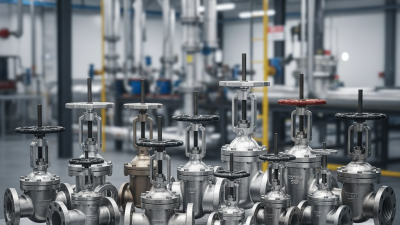
The design also affects reliability. Gate, globe, ball, and butterfly valves serve different control and isolation needs, and their performance depends on the application. Consider leakage requirements, actuation method, installation space, and maintenance access. A handwheel beside a hot pipe may be difficult to reach safely. Plan for insulation and thermal expansion, too.
Use documented manufacturer ratings and applicable engineering requirements, rather than relying on a general label such as “high-temperature.” Ask for pressure-temperature data and details about materials, testing, and service limitations. When information is missing, pause and verify it. That extra check can prevent costly downtime.
There is no universal best choice. The practical goal is a valve matched to the actual process, installed correctly, and inspected over time. Even a carefully selected valve needs review as operating conditions change.
Understanding High-Temperature Valve Requirements
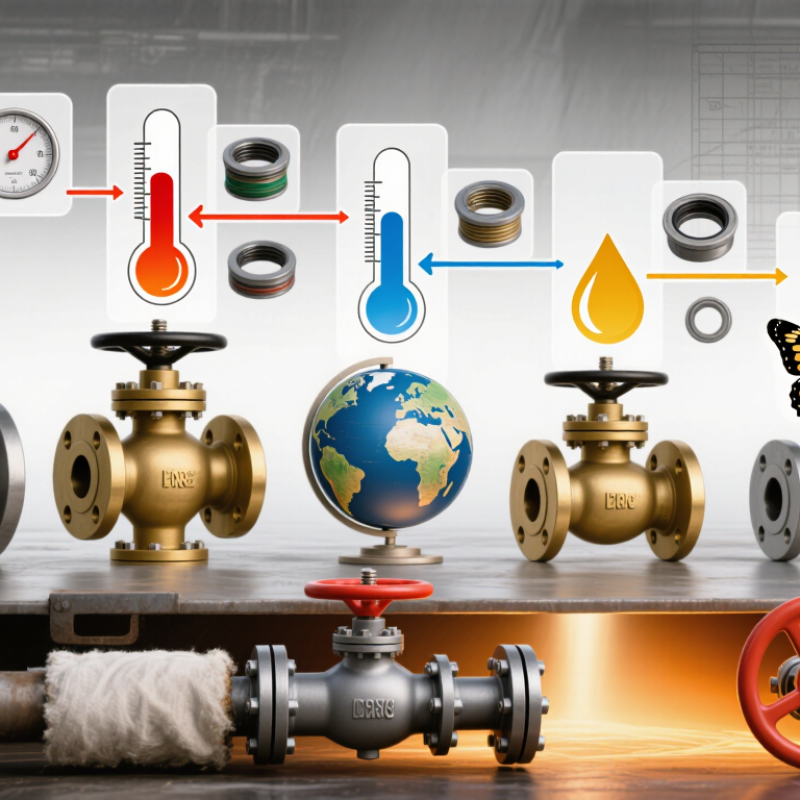
Before selecting a high-temperature valve, define the conditions it will actually face. Record normal and peak temperatures, operating pressure, fluid composition, and how often the system heats and cools. A valve exposed to hot steam may need different materials from one handling abrasive gas or corrosive process fluid. Small details matter. A temperature reading taken near the pipe wall may not reflect the fluid’s hottest point.
Check the body, trim, stem, packing, and seat as a system. Metal parts can expand at different rates, while seals may stiffen, deform, or leak after repeated heat cycles. Ask for documented operating limits at the intended pressure, not just a maximum temperature listed alone. Consider thermal shock, vibration, and whether maintenance access is practical when nearby pipework is hot. An actuator also needs suitable temperature protection if it sits close to the valve. I have seen specifications look complete on paper, yet leave the cycling pattern unclear. That gap deserves a closer look. Where conditions vary, confirm assumptions with operating data and qualified engineering review before finalizing the valve selection.
Identifying Operating Conditions and Temperature Limits
A high-temperature valve should be selected for the conditions it will actually face, not just the hottest number on a process sheet.
Record normal, startup, shutdown, and upset temperatures. A line that briefly reaches 450°C behaves differently from one that stays there all day. Check pressure at each temperature, too; allowable pressure often decreases as temperature rises.
Identify the fluid and its behavior. Steam, hot oil, and corrosive process fluids place different demands on valve bodies, trim, packing, and seals. Look for the manufacturer’s temperature-pressure data for the complete valve assembly, not merely a material’s published heat limit. Consider thermal cycling, vibration, and outside heat from nearby equipment. Small details matter. A packing material may tolerate the peak temperature but leak after repeated heating and cooling.
Leave a practical operating margin, based on process variation and measurement uncertainty. Then confirm that actuators, gaskets, coatings, and accessories share suitable limits. Check how the valve will be installed: insulation can trap heat, while a long exposed stem may create a different temperature at the packing. Document assumptions and verify them during commissioning. A spreadsheet can miss a local hot spot. It is easy to overlook one. Review operating records with maintenance staff, because real temperature swings may differ from the design estimate. If data are sparse, treat the selection as provisional and obtain engineering review before service.
Comparing Valve Materials and Construction Types
High temperature valve selection begins with the material, not the catalog photograph. Carbon steel suits moderate heat and controlled service, but repeated heating can accelerate oxidation and distortion. Stainless steel offers better corrosion resistance, although some grades lose strength after prolonged exposure. Nickel-based alloys handle severe heat more reliably, yet their cost and machining demands require careful justification. Ceramic components may resist extreme temperatures, but brittleness remains a concern during vibration or sudden cooling.
Construction type changes how a valve behaves in operation. Gate valves provide low flow resistance when fully open, but their wedges can seize after thermal cycling. Globe valves regulate flow more precisely and often manage throttling duties better. Ball valves shut quickly, though seat materials may degrade before the metal body shows damage. Butterfly valves save space, but disc clearance and sealing performance need verification at high temperatures.
In field inspections, bolted bonnets often make maintenance easier. Welded bodies reduce possible leakage paths. Metal seats usually tolerate heat better than soft seats, but they demand accurate alignment and clean surfaces. Pressure ratings must be checked at the actual operating temperature, not room temperature. A spreadsheet can miss this detail.
Material selection is rarely perfect. I have seen expensive alloys fail because the actuator, gasket, or packing was underrated. Thermal expansion, startup frequency, fluid chemistry, and maintenance access deserve equal attention. Test records, traceable certificates, and documented inspection results make the final choice more dependable. Thin walls, poor support, or careless installation can defeat a strong valve design.
Evaluating Sealing, Actuation, and Safety Features
How to Choose High Temperature Valves
Evaluating Sealing, Actuation, and Safety Features
At elevated temperatures, a valve’s seal must tolerate heat cycling without losing contact or becoming brittle. Check the rated temperature against the actual fluid temperature, including brief spikes during startup or cleaning. A metal seat may suit severe heat, while a resilient seat can provide tighter shutoff within its limits. Neither choice is universal. Ask for leakage test conditions, not just a temperature rating.
Actuation needs the same careful review. Thermal expansion can increase operating torque, so an actuator sized for room-temperature service may struggle after a long hot run. Consider how often the valve will cycle, whether operation is manual or automated, and what happens if power or instrument air fails. Keep the actuator away from radiant heat where practical. Small installation details matter.
Safety features should match the process, not a generic checklist. Confirm pressure and temperature limits, fire-safe design requirements where applicable, and whether the valve can be isolated and maintained without exposing workers to hot fluid. A clear position indicator helps during inspections, especially when insulation hides the valve body. Check materials for compatibility with the fluid and surrounding environment. Specifications can look complete on paper, yet site conditions may still be overlooked.
Selecting and Verifying the Valve for Service
How to Choose High Temperature Valves
Selecting and Verifying the Valve for Service
High-temperature valve selection begins with the actual service conditions, not the catalog temperature. Record the normal and maximum temperatures, operating pressure, fluid composition, flow direction, and cycling frequency. A valve exposed to 500°C steam may behave differently during frequent startups than during steady operation. Thermal expansion matters too. Check the body, trim, stem, packing, seats, gaskets, and actuator as one system. One weak component can control the entire service life.
Verification should include material certificates, pressure ratings, leakage data, and documented high-temperature testing. Confirm that the rating covers both temperature and pressure at the same time. Ask how the valve was tested, not only whether it passed. Inspect dimensions and connection details before installation. During commissioning, observe stem movement, packing temperature, flange behavior, and abnormal noise. Small changes can reveal misalignment or thermal stress. A checklist helps, but it cannot replace engineering judgment.
Tips: Compare the expected temperature with the real metal temperature near the valve. Review thermal cycling, not just peak temperature. Keep test records with the equipment file. If the service fluid is corrosive, verify compatibility at operating temperature. Do not assume a familiar design will suit every application. That assumption is easy to make, and often expensive. Recheck uncertain data with the manufacturer’s technical documents and an experienced valve engineer.