What is a Hydraulic Valve Body and How Does It Work?
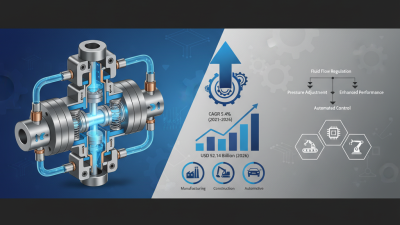
The hydraulic valve body is a critical component in various hydraulic systems. It governs the flow of fluids, ensuring efficiency and control. According to a recent report by Market Research Future, the hydraulic valve market is expected to reach $10 billion by 2025, reflecting its growing importance across industries.
Expert Richard Lawson, a well-known authority in hydraulic technologies, states, "The hydraulic valve body plays a pivotal role in system performance." His insight emphasizes the need for precise engineering in the design of these components. However, many designs are not without flaws. Misalignment in components can lead to suboptimal performance and increased wear.
As industries evolve, the demands on hydraulic systems shift. Innovations must address these challenges. It's not just about function; reliability is key. Understanding the intricacies of the hydraulic valve body could lead to more sustainable practices in the future, yet many still overlook maintenance practices that are crucial for longevity.
What is a Hydraulic Valve Body?
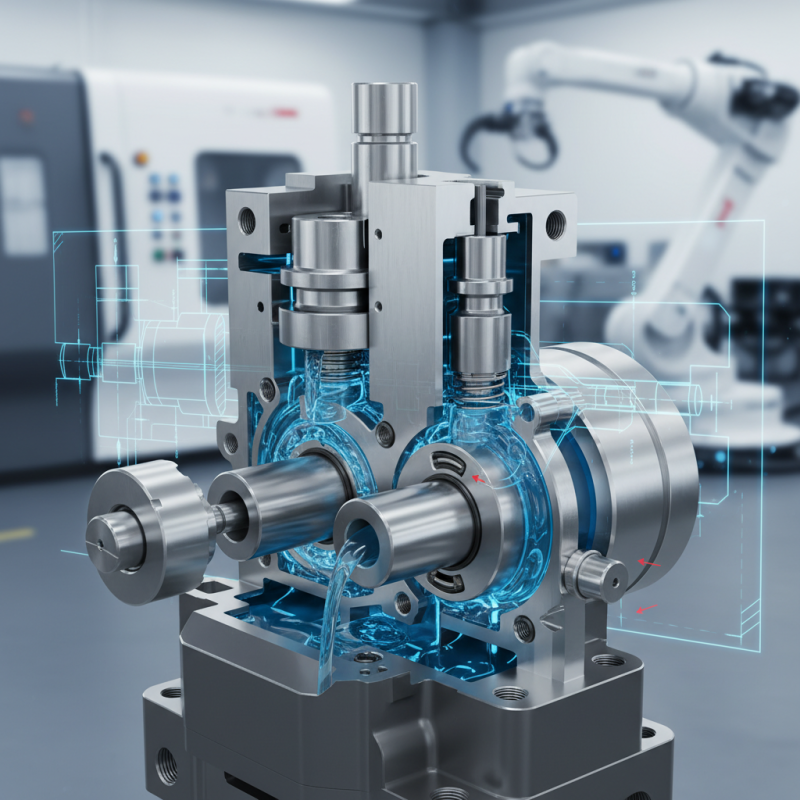
A hydraulic valve body plays a crucial role in the operation of hydraulic systems. It regulates the flow of fluid through various channels, enabling precise control of machinery and equipment. According to industry reports, hydraulic valves can improve system efficiency by 30% when properly calibrated. This efficiency translates into better performance in sectors such as construction and manufacturing.
The design of a hydraulic valve body consists of multiple components, including actuators, springs, and seals. Each part must work in harmony for optimal function. A study highlighted that 15% of hydraulic system failures are due to valve body malfunctions. This indicates the importance of regular maintenance and inspection, as even minor wear can lead to significant operational issues.
While hydraulic valve bodies are robust, they are not infallible. Conditions like temperature fluctuations and fluid contamination can affect their performance. Understanding these vulnerabilities is essential for operators. A proactive approach ensures that systems remain efficient and reliable, thus avoiding costly downtime and repairs. The nuances of hydraulic systems demand the attention of skilled technicians who must continuously adapt to advancing technologies and methodologies.
What is a Hydraulic Valve Body and How Does It Work?
| Feature |
Description |
| Function |
Regulates the flow and pressure of hydraulic fluids in systems. |
| Components |
Includes valves, actuators, springs, and housing. |
| Types |
Directional, pressure control, flow control valves. |
| Operation |
Uses hydraulic pressure to open or close valves as needed. |
| Applications |
Used in machinery, automotive systems, and industrial equipment. |
| Maintenance |
Regular checks for leaks, fluid levels, and wear on components. |
Components of a Hydraulic Valve Body
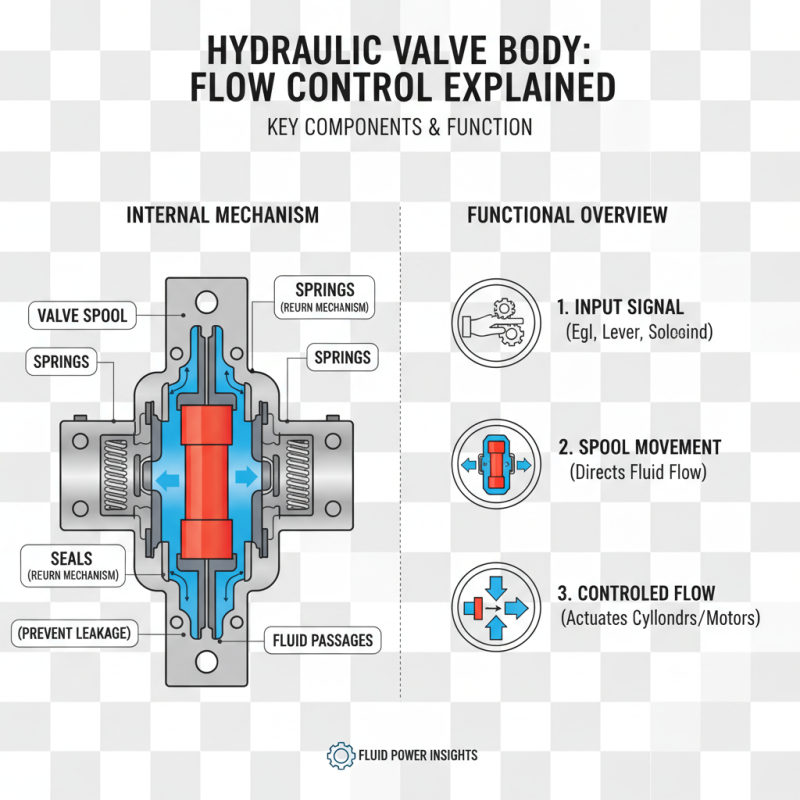
A hydraulic valve body plays a crucial role in controlling fluid flow. It consists of several key components. Among them are the valve spool, springs, and various seals. The valve spool is the heart of the system, directing flow to different channels based on input signals. Springs provide the necessary tension for the spool, ensuring it returns to its neutral position when not engaged.
Seals are also important. They prevent leaks and maintain pressure within the system. A faulty seal can lead to fluid loss and decreased efficiency. In many cases, the materials used for seals must withstand extreme pressures and temperatures. Choosing the right material is critical but often overlooked.
Moreover, the housing of the valve body is designed to accommodate these components. It must be robust enough to endure wear and tear but lightweight for overall efficiency. This balance is challenging to achieve. Without proper design or regular maintenance, even a small issue can escalate into significant problems. Each component must work harmoniously for optimal operation. Understanding these elements is essential for anyone working with hydraulic systems.
How Hydraulic Valve Bodies Control Fluid Flow
Hydraulic valve bodies play a crucial role in controlling fluid flow within hydraulic systems. These components manage the movement and direction of hydraulic fluids. By using various internal passages and ports, they regulate the flow based on specific operational needs. Each valve body includes multiple pathways that can open or close to direct fluid. This ensures that the right amount of pressure is applied where needed.
The versatility of hydraulic valve bodies is impressive. They can manage simple tasks, like controlling a single actuator, or complex operations involving multiple components. Understanding these controls is vital; however, their complexity can lead to mistakes. Sometimes a misalignment or a blockage occurs, disrupting fluid flow. Regular maintenance is essential to avoid such issues, yet many overlook this step. Proper inspection of these systems can prevent costly failures.
Fluid dynamics within these valves are fascinating but not without flaws. Even minor imperfections in design can cause inefficiencies. For instance, a slightly off-seal could lead to fluid leakage. This not only wastes resources but also hinders performance. A thoughtful approach to understanding and maintaining hydraulic valve bodies can enhance efficiency and reliability.
Hydraulic Valve Body Fluid Flow Control
Working Principles of Hydraulic Valves
Hydraulic valves play a crucial role in controlling fluid flow. Their basic function is to direct the hydraulic fluid through a system. This is essential in applications such as machinery and automotive systems. The flow is regulated based on the valve's design.
When operating, the hydraulic valve body utilizes pressure differences. A small force can control a much larger force in the system. This principle is essential in hydraulic systems. However, measuring this pressure accurately can be challenging. Improper measurements lead to system failure or inefficiency.
Tips: Regular maintenance of hydraulic valves is crucial. Inspect for leaks and ensure connections are secure. A small leak can lead to significant fluid loss over time. Proper calibration is also vital. An uncalibrated valve can cause erratic performance.
In a hydraulic system, the fluid moves through different ports. These ports open or close to change the flow path. The mechanics are simple, yet effective. But users often overlook the effect of wear and tear on valves. Regular checks can help avoid unexpected breakdowns.
Applications of Hydraulic Valve Bodies in Industries
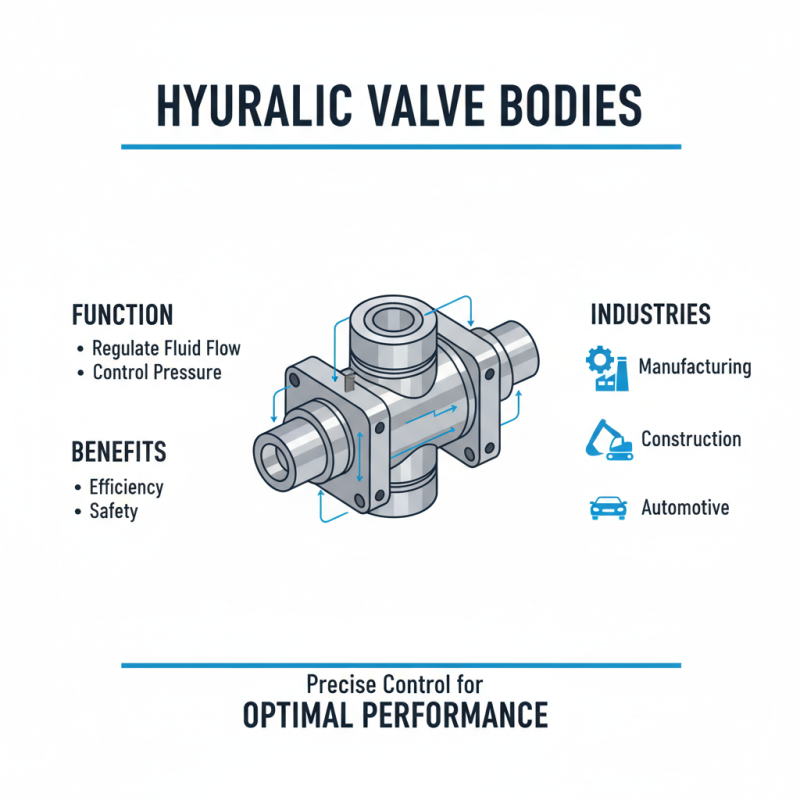
Hydraulic valve bodies play a crucial role in various industries. They regulate fluid flow and pressure in hydraulic systems, ensuring efficiency and safety. These components are often found in manufacturing, construction, and automotive sectors. Their design allows for precise control of machinery, optimizing performance.
In manufacturing, hydraulic valve bodies are integral to assembly lines. They manage the flow of hydraulic fluids to tools and equipment. This ensures that machines operate smoothly and efficiently. In construction, they help control heavy machinery like cranes and excavators. These valves enhance lifting capabilities, providing the necessary power for complex tasks.
Hydraulic valve bodies also serve in automotive applications. They control transmission fluids and enable gear shifting. However, not all hydraulic systems perform flawlessly. Sometimes, issues arise due to wear and tear. Regular maintenance is essential to prevent malfunctions. This highlights the need for ongoing evaluation and adjustments in hydraulic applications.