Top Motorized Valve Actuator Features Benefits and Applications?
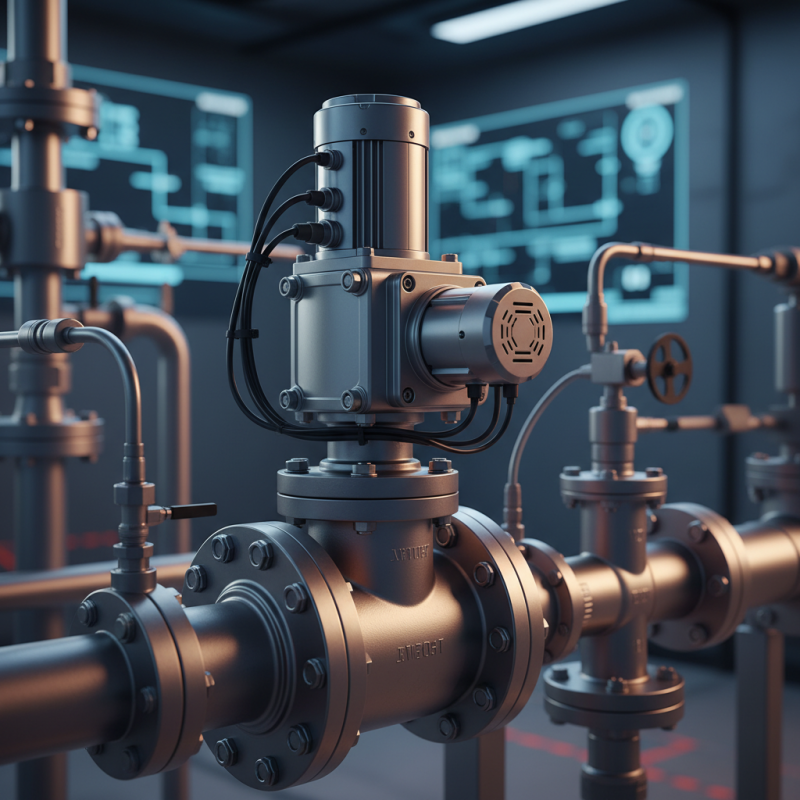
In modern industrial applications, the motorized valve actuator plays a vital role. These devices automate the control of fluid flow through valves, enhancing efficiency and reliability. The features of motorized valve actuators can significantly improve operational processes.
Motorized valve actuators come with various benefits. They offer precise control, easy integration, and reduced human error. This is especially crucial in systems where accuracy is paramount. However, not all actuators are equal. Some may face issues with mechanical wear or require frequent maintenance.
Choosing the right motorized valve actuator is essential for optimal performance. Proper selection can lead to significant long-term savings. Yet, many users overlook this aspect, leading to subpar results. Understanding these devices can transform operational capabilities and enhance reliability.
Overview of Motorized Valve Actuators
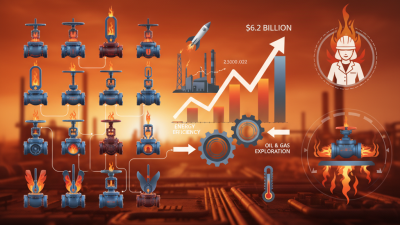
Motorized valve actuators play a crucial role in automating valve operations in various industrial settings. These devices are essential for controlling fluid flows in applications ranging from water treatment to petrochemical processing. According to a report by MarketsandMarkets, the global market for valve actuators is expected to reach $4.53 billion by 2025. This shows a growing recognition of their importance in efficient industrial processes.
In terms of features, motorized valve actuators offer precise control and increased efficiency. They can minimize human error, which is a significant factor in operational failures. The integration of feedback systems ensures that operators receive real-time data. However, these systems can be complex. Many users find it challenging to maintain them effectively. Implementation costs can also be higher than anticipated.
The applications of motorized valve actuators span numerous sectors. They are commonly used in HVAC systems, chemical plants, and power generation facilities. Each application can demand specific actuator characteristics. For instance, robustness is crucial in harsh environments. Yet, selecting an actuator requires careful consideration of the linked system. Without proper compatibility, the expected efficiencies may not materialize, leading to dissatisfaction. Understanding this intricate balance is vital for each application.
Key Features of Motorized Valve Actuators
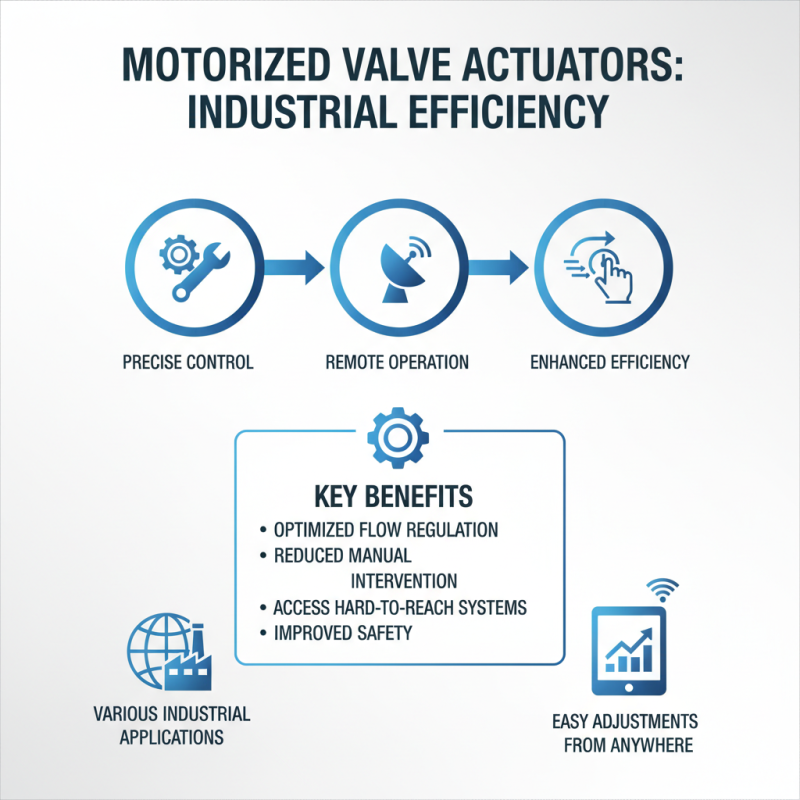
Motorized valve actuators are essential components in various industrial applications. They offer precise control over valve mechanisms, enhancing efficiency. One key feature is their ability to operate remotely. This is crucial for systems located in hard-to-reach areas. Operators can adjust flow rates with ease, eliminating the need for manual intervention.
Another important aspect is the actuator’s speed. These devices can execute commands quickly, ensuring that processes run smoothly. Faster response times lead to improved safety. Additionally, many motorized actuators are designed with built-in feedback systems. These systems provide real-time data on valve position. This feature aids in monitoring and managing complex systems effectively.
Reliability is also a significant benefit of motorized valve actuators. They are built to withstand harsh environments, including extreme temperatures and pressure fluctuations. However, maintenance can sometimes be a challenge. Regular checks are essential to avoid unexpected failures. User training is important too. Not everyone understands how these systems work. Proper usage ensures they function optimally, avoiding costly downtime.
Benefits of Using Motorized Valve Actuators in Industry
Motorized valve actuators offer significant advantages in industrial applications. These devices enhance efficiency by automating valve operations. They minimize manual intervention, reducing the risk of operator error. Automation leads to consistent performance, which is critical in processes requiring precision.
Employing motorized actuators ensures rapid response times. Industries can quickly adapt to changing conditions. For instance, in chemical processing, immediate adjustments are vital for safety. Furthermore, these actuators can handle complex systems with ease. Their capability to integrate with control systems optimizes overall workflows.
However, users must consider installation and maintenance costs. Not every application may benefit equally from motorized actuators. Sometimes, manual options might be more suitable. Users should evaluate their specific needs carefully before choosing automation solutions. Balancing costs and benefits is essential for long-term success.
Benefits of Using Motorized Valve Actuators in Industry
Common Applications for Motorized Valve Actuators
Motorized valve actuators play a vital role in many industries. They offer precise control for regulating the flow of liquids and gases. One major application is in water treatment facilities. Here, these actuators manage the flow of treated and untreated water. According to a recent industry report, over 50% of water treatment plants use automated systems, highlighting a growing reliance on motorized actuators.
Another common use is in the HVAC sector. In commercial buildings, motorized actuators control dampers and valves. This ensures optimal temperature and air quality. Studies indicate that proper HVAC control can improve energy efficiency by up to 30%. This efficiency is crucial for reducing operational costs and environmental impact.
In the chemical processing industry, motorized valve actuators are essential. They facilitate the safe handling of corrosive substances. This is vital for maintaining safety standards. However, not all actuators perform equally well under extreme conditions. Users often report issues with actuator reliability in harsh environments. Improving this reliability remains a challenge that requires ongoing research.
Comparison of Different Types of Motorized Valve Actuators
When comparing different types of motorized valve actuators, it is essential to consider their unique features and applications. Electric actuators are popular for their ease of installation and precise control. They offer smooth operation, making them ideal for on-off or modulating control. Pneumatic actuators, on the other hand, are known for their speed and reliability. They function well in environments requiring quick responses.
Hydraulic actuators can handle high forces and operate effectively in demanding conditions. They require more maintenance and have a complex setup. Electric actuators might be less effective in extreme temperatures. Always assess the environment where the actuator will be used.
Tips: Always check the actuator's specifications for compatibility. Think about future needs. Choosing a versatile actuator can save costs down the line. Make maintenance a priority to ensure long-term performance. Regular checks can prevent unexpected failures.