Mud Pump Valve Maintenance Tips for Optimal Performance?
In the drilling industry, maintaining optimal performance is essential for any operation reliant on Mud Pump Valves. A recent report from the International Association of Drilling Contractors indicates that over 30% of drilling downtime is linked to valve failures. This highlights the critical need for proper maintenance and understanding of Mud Pump Valve functionality.
Industry expert John Smith, a renowned engineer with over 20 years of experience in pump systems, emphasizes, “Regular maintenance is key to preventing costly failures.” His insights remind us that even minor neglect can lead to significant issues. Such failures not only result in wasted time but can also cause potential safety risks on the worksite.
Moreover, many operators overlook the signs of wear in Mud Pump Valves, resulting in a cascade of problems. Regular inspections, proper lubrication, and proactive replacement strategies are practical steps to maintain pumps effectively. By understanding the intricacies of Mud Pump Valves, operators can ensure smoother operations and enhance overall productivity.
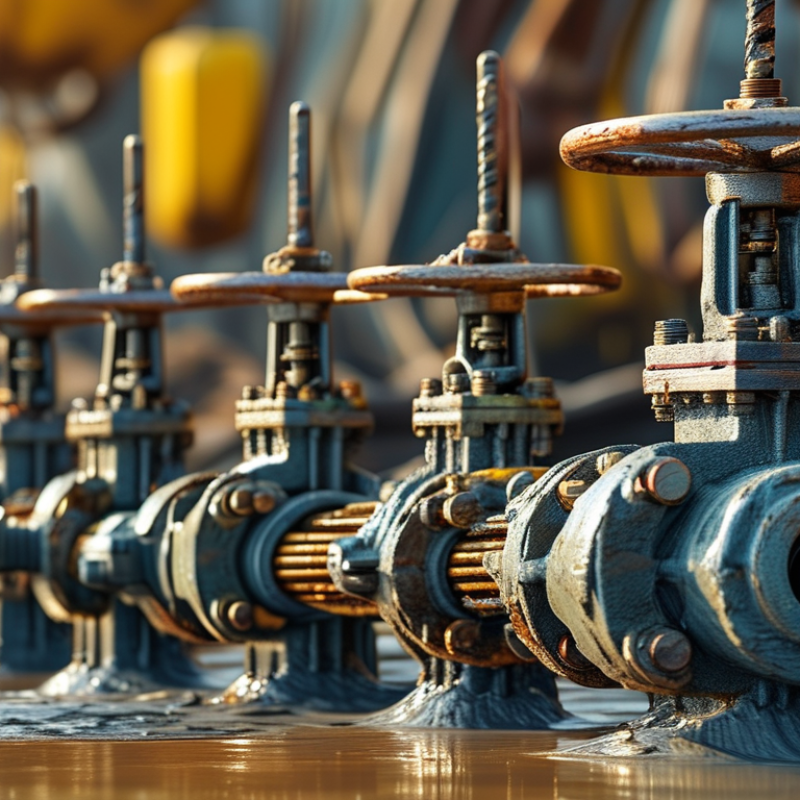
Understanding Mud Pump Valves and Their Importance in Drilling
Mud pump valves play a crucial role in drilling operations. They ensure the efficient circulation of drilling fluid. A well-functioning valve prevents costly downtime and maintains pressure consistency. It’s important to understand how these valves operate. They control the flow of fluid, impacting the overall drilling efficiency.
Proper maintenance of mud pump valves is essential. Regular inspections help identify wear and tear early. It's advisable to replace seals and O-rings regularly. This reduces leaks and maintains pressure. Lubrication should not be overlooked. It ensures smooth operation and longevity of the valves. Additionally, test the valve functionality frequently. This can help avoid unexpected failures during critical operations.
When inspecting mud pump valves, look for signs of corrosion or damage. This could indicate underlying issues that need addressing. Utilize a checklist to ensure thorough evaluations. Keep records of maintenance activities. This data can provide insight into the valve's performance trends over time. Understanding these factors leads to more informed decision-making in maintenance strategies.
Common Issues in Mud Pump Valve Performance and Maintenance
Mud pump valves play a crucial role in drilling operations. Proper maintenance is essential for optimal performance. However, there are common issues that often arise, impacting efficiency. According to industry reports, almost 30% of mud pump failures can be attributed to valve-related problems. These include wear, damage, and improper sealing. Regular inspections can mitigate such risks.
One common issue is valve wear. Over time, the valve components can wear down due to continuous cycling and abrasive materials in the drilling mud. Research indicates that up to 50% of maintenance costs in mud pumps are directly linked to valve issues. Addressing minor wear early can prevent costly failures. Monitoring the valve's condition and replacing worn parts is critical for maintaining efficiency.
Another prevalent problem is improper sealing. A faulty seal can lead to significant fluid losses, impacting overall performance. It's reported that inadequate sealing directly contributes to operational inefficiencies, raising concerns among operators. Establishing a routine for checking seals and ensuring proper assembly can help address this. Awareness of these common issues and addressing them proactively can enhance reliability in mud pump operations.
Step-by-Step Procedures for Mud Pump Valve Inspection
Inspecting mud pump valves is vital for maximizing efficiency. Start by checking the valve cover and fasteners for any signs of wear or corrosion. According to industry reports, even minor defects can lead to a 15% drop in pump performance. Tighten or replace any broken components to avoid leaks.
Next, remove the valve to assess the sealing surfaces. Inspect them for abrasions and irregularities. A rough seal can compromise mud circulation, impacting the drilling process. Data from the American Petroleum Institute suggests that optimizing seals can increase overall drilling efficiency by up to 30%.
While inspecting, have a flashlight handy for better visibility. Poor lighting may cause you to overlook critical flaws. Remember that regular maintenance is key. Missing inspections could result in expensive downtime. Reflection on past maintenance activities can reveal patterns in valve issues, helping to form targeted strategies for improvement. A proactive approach yields the best results in maintaining mud pump valve integrity.
Best Practices for Cleaning and Caring for Mud Pump Valves
Maintaining mud pump valves is essential for optimal performance. Regular cleaning is a vital practice that helps prevent clogs and ensures smooth operation. Use a gentle solvent to remove debris. A soft brush can be effective in reaching tight spots. Pay attention to small cracks or wear on the valves, as these can lead to more significant issues.
Inspecting seals and gaskets is equally important. Replace any worn components immediately. Neglecting these parts can cause leaks and affect the pump’s efficiency. It’s worthwhile to create a maintenance schedule. This ensures that cleaning and inspections occur regularly.
Documentation of maintenance activities is a good habit. It provides insights on usage and wear patterns over time. Reflections on previous maintenance can guide future practices. Not every attempt will be perfect. Learning from mistakes in valve care is part of the process. The goal is to enhance the longevity and reliability of your mud pump valves.
Mud Pump Valve Maintenance Tips for Optimal Performance
| Tip | Description | Frequency | Tools Required |
| Regular Inspection | Check for wear and tear on valves and seats. | Monthly | Visual Inspection Tools |
| Cleaning | Use a suitable cleaning solvent to remove debris. | After Each Use | Cleaning Solvent, Brushes |
| Lubrication | Apply appropriate lubricant to moving parts. | Every 3 Months | Lubricant, Applicator |
| Seal Replacement | Replace worn or damaged seals to prevent leaks. | As Needed | Replacement Seals, Tools for Removal and Installation |
| Record Keeping | Maintain logs of maintenance and repairs performed. | Ongoing | Notebook or Digital Log |
Tips for Troubleshooting Mud Pump Valve Problems Effectively
Mud pump valves are crucial for optimal performance, yet they can encounter various issues. Understanding these problems is key to effective troubleshooting. Common issues include wear and tear, improper sealing, and blockages. Regular inspection can identify signs of damage early. A worn valve seat or ball can cause fluid leaks, leading to inefficiencies. Check for visible wear and replace parts as necessary.
Another frequent problem is the buildup of debris. This can obstruct the valve's movement and alter its performance. A thorough cleaning schedule should be established. Remove any buildup and ensure all components are free of contaminants. It’s also essential to maintain proper lubrication. Lack of lubrication can lead to increased friction and wear.
When troubleshooting, always check for proper alignment. Misalignment can lead to premature failure. Pay close attention to the torque specifications during assembly. Too much or too little torque can affect the valve function. Document your maintenance routine. This helps track patterns and improve future troubleshooting efforts. Sometimes, even minor issues can escalate, requiring thorough reflection on past maintenance practices. Regular audits can enhance reliability and performance in the long run.
Mud Pump Valve Maintenance Performance Chart


