How to Select the Right Control Valve Actuator for Your Applications?
Selecting the right control valve actuator is crucial for ensuring optimal system performance. According to John Smith, an industry expert at Valve Solutions Inc., "The actuator is the brain of the control valve system." This highlights the importance of making informed choices in actuator selection.
Many factors influence the selection process. It's essential to consider the type of fluid, temperature, and pressure in your application. Each actuator type has its unique strengths and weaknesses. Some may be ideal for high-pressure scenarios, while others are better for precise flow control. Ignoring these details can lead to inefficient operations and costly downtime.
In today's diverse industrial landscape, the right control valve actuator can significantly impact efficiency and safety. Ensure you assess your needs carefully. Reflect on your system’s specifications before making a decision. A well-chosen actuator not only enhances performance but also prolongs system life. The journey to the perfect actuator begins with understanding your specific application requirements.
Understanding Control Valve Actuators: Types and Functions
Control valve actuators play a pivotal role in industrial automation. They regulate the flow of fluids by controlling the valve position in response to signals. Understanding the different types of actuators is essential for selecting the right one for your application.
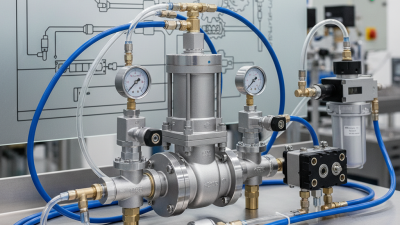
The primary types are pneumatic, electric, and hydraulic actuators. Pneumatic actuators utilize compressed air for movement. They are reliable, but can be affected by air supply quality. Electric actuators are precise and energy-efficient. However, they may require complex wiring and control systems. Hydraulic actuators generate high force but are usually bulkier and can leak. Each actuator type has its own strengths and weaknesses.
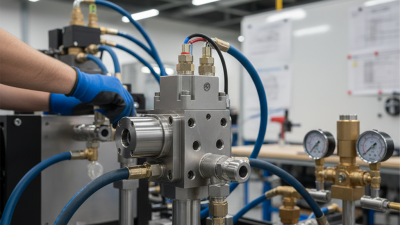
Consider the application's specific requirements. Factor in fluid type, pressure, and temperature. The size of the actuator must match the valve's specifications. Installation can be tricky and often requires expert assistance. Recognizing these nuances is crucial for optimal performance. The more informed your selection, the more efficient your operations will be.
Key Factors in Selecting the Right Actuator for Different Applications
Selecting the right control valve actuator is crucial for operational efficiency. It directly impacts process control, energy consumption, and output quality. When considering different applications, its design and functionality must match system requirements.
One key factor is the actuator type. Pneumatic, electric, or hydraulic actuators each have unique strengths. Pneumatic actuators are fast and powerful, but they may require compressed air. Electric actuators offer precise control, yet they can be slower. Assessing the environmental conditions is also important. Temperature and humidity will influence actuator performance and longevity.
Another aspect is sizing the actuator. An actuator that’s too small can't deliver necessary force. However, an oversized actuator may lead to inefficiencies. Understanding the specific position control is vital. Whether it's modulating or on-off control, differing needs can lead to mismatches. It's essential to evaluate these details carefully. The correct choice hinges on a deep understanding of the application's demands.
Performance Specifications: Torque, Speed, and Response Time Considerations
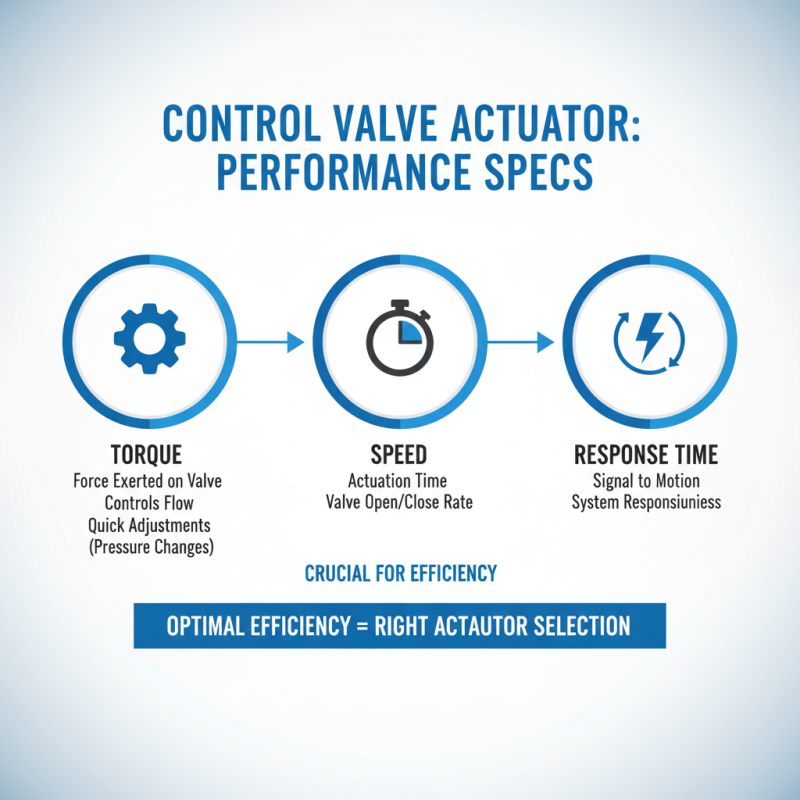
Selecting the right control valve actuator is crucial for efficiency. Torque, speed, and response time are vital performance specifications. Torque determines how much force the actuator can exert on the valve. It directly impacts its ability to control flow effectively. A strong torque allows for quick adjustments, especially under varying pressure conditions.
Speed is another important factor. It defines how quickly the actuator responds to commands. In applications with fluctuating demands, faster response times can lead to improved system performance. However, a balance is essential; an actuator that is too fast may overshoot its target, causing instability.
Response time is often overlooked. It influences the overall efficiency of the control system. A delayed response can lead to inefficiencies and system failures. Assessing these performance metrics helps ensure the actuator meets the application's needs. Be mindful that optimizing these aspects often requires compromises. A focus on one area might negatively affect another, so careful evaluation is necessary.
The Importance of Environment and Material Compatibility in Actuator Choice
When selecting a control valve actuator, environmental conditions and material compatibility are paramount. Each application can present unique challenges. For instance, extreme temperatures or corrosive substances may require specific actuator materials. Understanding the environment helps ensure durability.
Tips: Always evaluate your application terms. Whether it’s high humidity or exposure to chemicals, your actuator must be compatible. Research the materials used in actuators. Some might perform well in controlled settings but falter under stress.
Different materials have unique properties. Aluminum is lightweight but may corrode easily. Stainless steel offers strength but can be heavier. Understanding these nuances can make or break functionality. Neglecting environmental factors may lead to premature failure. Reflect on past experiences with actuator choices to guide future decisions. Adapting to conditions ensures your system operates effectively without unexpected interruptions.
How to Select the Right Control Valve Actuator for Your Applications?
| Application Type |
Environment Conditions |
Material Compatibility |
Recommended Actuator Type |
| Water Treatment |
Corrosive; Moderate Temperature |
Stainless Steel, PVC |
Electric Actuator |
| Petrochemical |
High Temperature; Flammable |
Carbon Steel, Hastelloy |
Pneumatic Actuator |
| Food Processing |
Sanitary; Low Temperature |
304 Stainless Steel, PTFE |
Electric Actuator |
| Power Generation |
High Pressure; High Temperature |
Alloy Steel, Inconel |
Hydraulic Actuator |
| Mining |
Dusty; Extreme Conditions |
Carbon Steel, Rubber |
Pneumatic Actuator |
Industry Standards and Regulatory Compliance for Control Valve Actuators
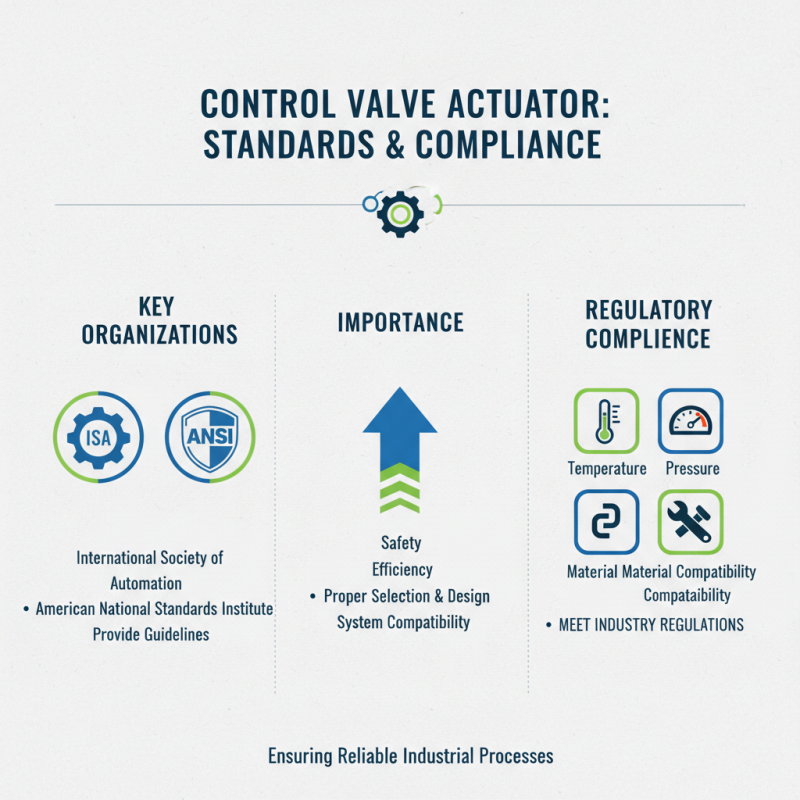
Control valve actuators must meet industry standards to ensure safety and efficiency. Organizations like the International Society of Automation (ISA) and the American National Standards Institute (ANSI) provide guidelines. These standards help in the proper selection and design of actuators. Compatibility with the system is vital. Actuators should comply with the relevant regulations for pressure, temperature, and material compatibility.
In recent surveys, over 40% of facilities reported issues due to non-compliance. This highlights the importance of adhering to established guidelines. For instance, actuators used in hazardous environments must align with standards like ATEX and IECEx. These ensure protection against explosive atmospheres. Selecting actuators that meet these compliance criteria reduces risks and increases operational reliability.
Understanding these standards is not enough. Continuous monitoring and adjustments may be necessary. The environment and application may change, leading to new regulatory requirements. Regular training for staff on compliance updates is crucial. Failing to stay updated can result in costly penalties or safety hazards. A proactive approach to compliance fosters a safer workplace and supports sustainable operations.