Bellows valves serve demanding systems where external leakage must be tightly controlled. Their welded metal bellows isolate the stem from the process fluid, while the valve body handles pressure, temperature, and media compatibility. Design details matter. A thin bellows can fatigue under repeated cycling; a robust one still needs suitable operating limits and installation.
Choosing among Bellows Valves Manufacturers worldwide is not as simple as following a ranking. There is no single “top” supplier for every plant, service, or budget. A manufacturer experienced in high-purity gas systems may not be the best fit for hot steam or corrosive chemicals. Buyers should compare material options, pressure and temperature ratings, cycle-life data, inspection records, and the availability of technical support. Look for clear documentation, including test reports and traceability for pressure-retaining components. Ask how the supplier validates bellows performance under the actual operating conditions. Details matter.
This guide examines well-known manufacturers and the strengths that may distinguish them, without treating marketing claims as proof. Product portfolios and regional support can change, so current specifications should be confirmed directly. Even a careful comparison has limits: published data cannot show how a valve will perform in every installation. That uncertainty deserves attention. The aim is a practical starting point for evaluating suppliers, not a substitute for engineering review.
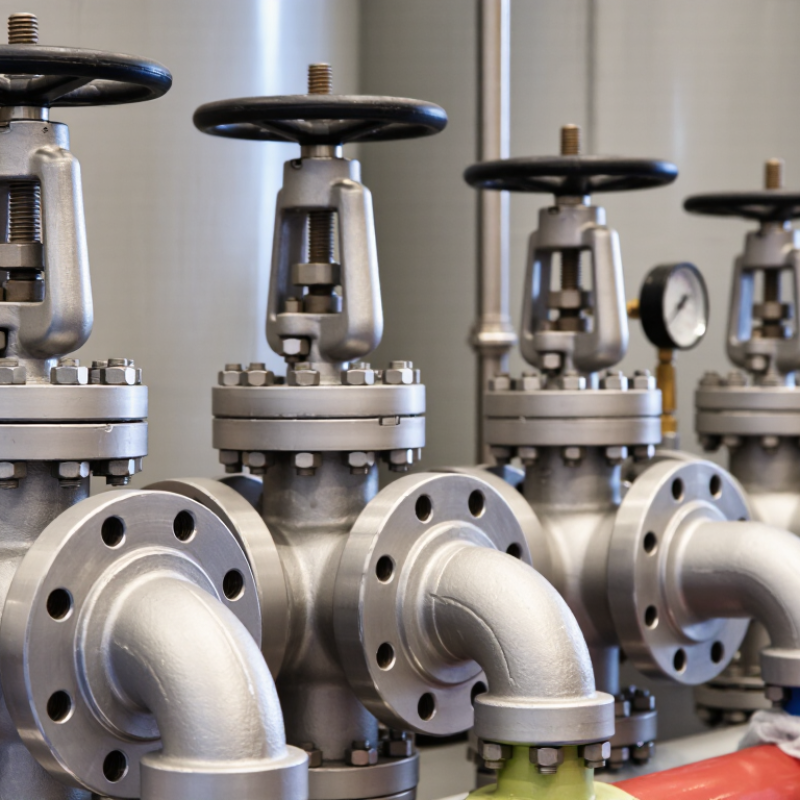
A bellows valve uses a flexible metal bellows welded between the stem and valve body. As the stem moves, the bellows flexes while forming a barrier between the process fluid and the outside air. This design reduces leakage through the stem area, a concern when handling toxic, corrosive, high-purity, or volatile fluids. Many designs also include conventional packing as secondary containment. Details matter: bellows material, pressure, temperature, and operating cycles must suit the service.
These valves are used in chemical plants, pharmaceutical equipment, vacuum systems, and heat-transfer lines. Picture a small valve on a hot process pipe, cycling repeatedly during a production shift: repeated movement can fatigue the bellows, so inspection and correct sizing remain important. Not a cure-all. The International Energy Agency’s Global Methane Tracker 2024 estimates that fossil-fuel operations emitted about 120 million tonnes of methane in 2023. That figure is not specific to valves, but it underscores why controlling equipment leaks matters. Bellows valves can help limit stem leakage; they cannot prevent leaks from flanges, connections, or damaged components.
| Valve or Service Category | Typical Use | How the Bellows Helps | Common Design Considerations | Manufacturer Capability to Check |
|---|---|---|---|---|
| Bellows-sealed globe valve | Process piping that needs shutoff and, depending on the design, flow regulation; used in chemical, petrochemical, and utility services. | A welded metal bellows seals around the moving stem, reducing the potential for process fluid to escape through the stem packing area. | Confirm pressure and temperature ratings, flow direction, end connections, body material, and suitability of the bellows alloy for the fluid. | Documented design ratings, material traceability, production testing, and inspection procedures appropriate to the specified service. |
| Low-emission process service | Handling hazardous, toxic, volatile, or environmentally sensitive fluids where stem leakage must be controlled. | The bellows provides a secondary stem seal; many designs also retain conventional stem packing as a backup barrier. | Evaluate bellows cycle life, corrosion compatibility, packing arrangement, and any project-specific emissions or leakage-test requirements. | Ability to provide relevant test documentation and clearly state the limits and conditions of any leakage-performance claims. |
| Vacuum and high-purity service | Vacuum systems and selected semiconductor, laboratory, and clean-process installations, subject to the valve’s cleanliness and pressure specifications. | A metal bellows can maintain a sealed moving-stem boundary without relying on a sliding stem seal exposed to the process. | Check vacuum rating, internal surface finish, cleaning and packaging requirements, outgassing considerations, and connection type. | Controlled cleaning processes, suitable inspection records, and manufacturing procedures aligned with the cleanliness specification. |
| Steam and hot-fluid service | Steam, condensate, and other hot-fluid systems when the selected valve is rated for the operating conditions. | The bellows isolates the stem movement from the process fluid, while the valve body and trim control the flow path. | Verify the allowable pressure-temperature range, thermal cycling limits, bellows fatigue rating, and suitability for the specific fluid. | Engineering data for the complete valve assembly, including the bellows, rather than material data alone. |
| Corrosive chemical service | Chemical processing applications where the process fluid may attack standard valve materials. | A welded metal bellows forms the stem seal, but it must be selected to withstand the process environment. | Assess compatibility of the bellows, body, trim, and welds with the fluid, concentration, temperature, and contaminants. | Material certificates, weld-quality controls, and technical support for application-specific material selection. |
| General manufacturer comparison | Procurement and specification review across industrial applications; suitability depends on the actual duty and applicable project standards. | Bellows valves are selected to limit stem leakage, but no bellows design is suitable for every pressure, temperature, fluid, or operating cycle. | Compare design documentation, material options, dimensional standards, testing scope, service support, and stated operating limits. | Request technical datasheets, quality-system information, inspection and test records, and references relevant to the intended service. |
Note: This table summarizes common applications and evaluation criteria. Actual valve ratings, materials, and performance depend on the specific design and operating conditions.
A bellows seal valve uses a flexible metal element to keep process fluid from escaping around the moving stem. One end of the bellows is joined to the stem; the other is sealed to the bonnet. As the handwheel or actuator moves the stem, the bellows compresses or extends. The valve opens or closes. That movement creates a sealed barrier between the fluid and the outside air, without relying on a sliding stem packing as the primary seal.
Many designs also include conventional packing as a secondary safeguard if the bellows fails. That detail matters. Bellows have a finite fatigue life, and repeated strokes, pressure changes, or corrosive media can weaken them. In service, technicians may watch for unexpected leakage, stiff stem movement, or changes in operating conditions. The right bellows material and stroke range depend on the fluid, temperature, and pressure; one choice does not fit every installation. A bellows seal is useful, but not magic. Its performance still depends on correct sizing, careful installation, and sensible inspection intervals.
A leading bellows valve manufacturer is defined less by catalog size than by control over design, materials, and production. Its engineers should match bellows geometry, wall thickness, and alloy selection to pressure, temperature, and cycle demands. That choice matters. A thin bellows may flex easily, yet fatigue sooner under repeated strokes; a heavier section can limit movement. Good suppliers explain this trade-off instead of promising a universal solution. They also document welding procedures, inspection points, and relevant pressure or leak tests.
Reliability continues after shipment. Clear drawings, traceable material records, and practical installation guidance help plant teams verify the valve they received. A capable manufacturer can discuss stem alignment, piping loads, and maintenance intervals using operating conditions, not vague assurances. Ask how failures are investigated and design changes are controlled. The answer should be specific. Still, no test sheet can recreate every field condition; that limitation deserves honest attention. Sometimes the best sign is a precise question about media, temperature swings, or cycle frequency before a quotation is issued.
Notable bellows valve manufacturers are found across Europe, East Asia, and North America, serving power, chemical, semiconductor, and vacuum industries. Their products use a welded metal bellows to isolate the stem from process fluid, reducing a common leakage path. The detail is small. Weld quality, bellows material, and cycle life are not. Buyers should compare pressure and temperature ratings, operating cycles, materials, and documented leak-test results—not just connection size. MSS SP-117 provides a useful reference for bellows-sealed valve design and testing.
Grand View Research estimated the global industrial valves market at about US$79.4 billion in 2024. That figure covers many valve types; it is not a bellows-valve market estimate. Still, it signals the scale of the wider supply chain supporting manufacturers and component makers. A credible supplier should provide traceable material records, inspection procedures, and test documentation suited to the application. Regional production can help with lead times, but proximity alone says little about quality. I would also check whether stated cycle-life figures reflect independent testing or only internal results. That distinction is easy to miss.
Bellows valve manufacturers use different alloys to meet service requirements. This chart compares the approximate melting-point ranges of common bellows materials; these figures describe material properties, not certified valve operating limits.
Ranges vary by alloy grade and material specification. Actual valve temperature and pressure limits depend on the complete design, including bellows geometry and wall thickness.
Comparing bellows valve manufacturers starts with the service conditions, not a company’s headline claims. Record the fluid, operating pressure, temperature range, and expected cycling frequency. A valve handling clean steam may need different materials and testing than one exposed to corrosive process fluids. Check that the proposed body, bellows alloy, seat, and end connections suit the actual installation. Small mismatches can become expensive.
For demanding applications, ask for pressure and temperature limits, leakage criteria, cycle-life data, and inspection records. Confirm how each manufacturer tests the bellows assembly and verifies its welds. Documentation should match the valve configuration you intend to buy, not just a similar model. Also compare delivery times, spare-part availability, and technical support. A polished datasheet helps, but it cannot answer every site-specific question.
Tips: Share a real operating case, including startup and shutdown conditions. Request a written explanation of material choices and test methods. If a supplier cannot clarify an important limit, pause and investigate. The comparison may feel slower, and some details can remain uncertain, but that is better than choosing on price alone.
1272 Speers Rd Unit 4
Oakville ON Canada L6L 2X4
©Copyright 2020 Gosco Valves. All rights reserved.