Top EMT Electrical Connectors for Global Buyers?
Global buyers are paying closer attention to Emt Electrical Connectors as construction, infrastructure, and industrial projects expand across regions. Grand View Research has reported steady growth in the global electrical connectors market, supported by automation, commercial construction, and renewable energy investment. However, broad market figures do not explain connector performance inside a damp junction box or a crowded control panel.
That detail matters. An EMT connector must hold conduit firmly, protect conductor insulation, and maintain a reliable bonding path. Experienced installers check thread engagement, locknut seating, connector dimensions, and visible burrs before pulling wire. They also compare zinc, steel, and corrosion-resistant finishes for the actual site environment. A low price can become expensive after rework, rust, or failed inspection.
Mike Holt, a widely recognized electrical educator and code-focused industry expert, offers a practical warning: “Electricity is not forgiving.” His point applies directly here. Small installation shortcuts can create larger safety and maintenance problems. Buyers should review UL 514B, CSA requirements, IEC references, and local approval rules before selecting products. Certification marks still require verification; not every online listing is equally reliable.
This guide examines top EMT Electrical Connectors for global buyers through a practical lens. It considers material quality, fitting design, compression strength, packaging, documentation, and supplier consistency. Product data can look complete while missing temperature limits or thread details. That gap deserves scrutiny. The strongest choice is not always the cheapest connector, and even experienced teams can overlook one small specification.
What Are EMT Electrical Connectors and How Do They Work?
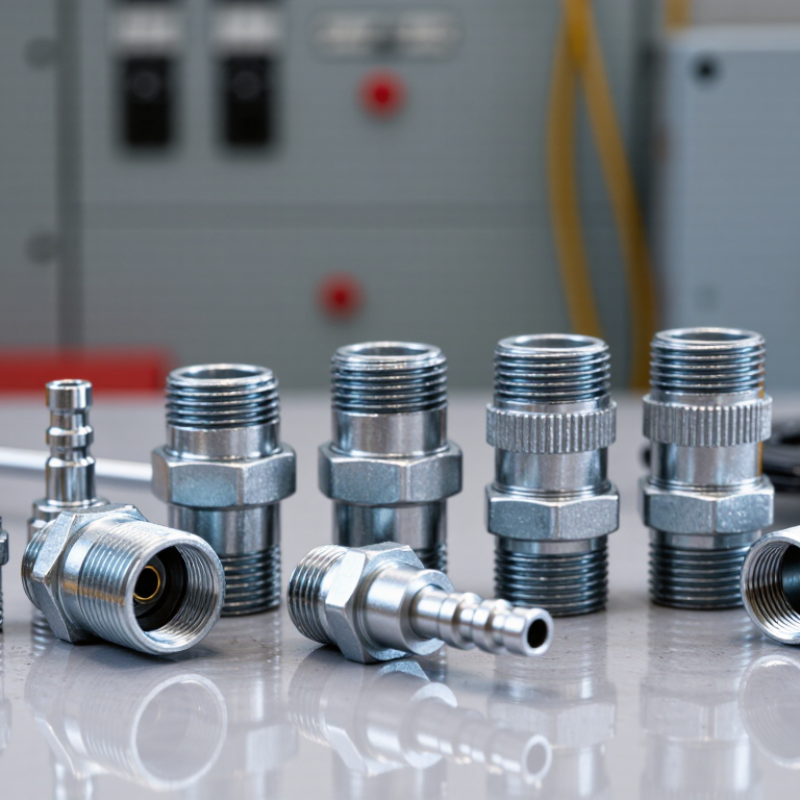
EMT electrical connectors join electrical metallic tubing to boxes, enclosures, or other raceways. They create a mechanical connection and maintain the grounding path. A typical connector has a threaded hub, locknut, and insulating throat. The tubing slides into the fitting and is secured with a set screw or compression nut.
Under NFPA 70, 2023 edition, EMT and its fittings must be listed for their intended use. The connection also requires proper support, alignment, and protection from physical damage. UL 514B evaluates conduit fittings for mechanical security, grounding continuity, and environmental performance. These details matter in humid factories, rooftop systems, and dusty workshops. A connector can look tight and still lose continuity after vibration. That is an easy mistake to underestimate.
Tips: Match the connector to the tubing diameter, thread type, and enclosure entry. Check whether the fitting suits indoor, wet, or corrosive locations. For global projects, confirm local certification requirements before purchasing. Metric and imperial sizing are not interchangeable, even when they appear similar.
NFPA’s Electrical Fires report recorded an estimated 35,150 U.S. home fires involving electrical distribution and lighting equipment each year from 2015 to 2019. The fires caused about 470 civilian deaths, 1,100 injuries, and 1.3 billion dollars in direct property damage annually. EMT connectors do not prevent every electrical failure, but correct selection reduces loose joints and exposed conductors. Buyers should verify test documentation, material quality, and installation instructions. Price alone is a weak technical criterion.
Which EMT Connector Types Suit Different Installation Needs?
Choosing an EMT connector starts with the installation environment, not the lowest unit price. For dry, indoor runs, set-screw connectors provide quick assembly and easy visual checking. They suit exposed conduit in commercial rooms when the enclosure and local rules permit them. Compression connectors grip more evenly and work well where vibration or temperature changes may loosen hardware. Use an insulated throat when conductor protection matters at the box entry. Small detail, real impact.
Wet or outdoor locations demand more care. Raintight compression connectors use sealing elements to limit water entry at conduit and enclosure joints. They fit exterior walls, service areas, and washdown zones when their rating matches the application. For concrete-embedded work, choose fittings specifically marked for that condition. A standard indoor fitting is not an acceptable substitute. Angle connectors help around crowded boxes and narrow equipment spaces. Measure twice. Crowded bends often expose poor planning.
For dissimilar conduit connections, select an approved transition fitting instead of forcing threads or mismatched sizes. Check trade size, material compatibility, grounding continuity, and tightening requirements before installation. A connector can look secure while remaining electrically unreliable. Inspect for burrs, damaged seals, loose screws, and incomplete engagement. I would not treat catalog wording as enough evidence; installation instructions and recognized testing marks matter. Requirements vary by jurisdiction, and field conditions can challenge careful designs. Recheck the actual site.
How Should Global Buyers Compare EMT Connector Materials and Designs?
Top EMT Electrical Connectors for Global Buyers
Global buyers should compare EMT connector materials before comparing price or appearance. Zinc alloy offers strong impact resistance and a stable threaded connection. Steel can provide excellent mechanical strength, but it may need better corrosion protection. Aluminum is lighter and resists rust, although its threads can be less forgiving during rough installation. Material choices should match the project environment, not just the catalog description.
Design details also affect installation reliability. Check thread accuracy, locking methods, shoulder shape, and conductor protection. A smooth interior reduces the chance of scraping insulation during wire pulling. Compression designs may install quickly, while set-screw designs can suit familiar field practices. However, over-tightening can damage threads or deform the conduit. I have learned that a connector can look precise yet perform poorly after repeated vibration. Small testing errors can change the conclusion.
Tips: Request material certificates, dimensional drawings, and corrosion-test information. Compare samples under realistic conditions, including moisture, vibration, and temperature changes. Confirm compatibility with the EMT conduit and local electrical requirements. Do not judge quality from weight alone. A heavier connector is not automatically safer. Also, record installation torque during trials, because field workers may use different tools and habits. Some comparisons remain imperfect, but transparent testing makes purchasing decisions more reliable.
Top EMT Electrical Connectors for Global Buyers
How should global buyers compare EMT connector materials and designs?
The 1–5 index summarizes common selection factors for typical EMT installations: corrosion resistance, mechanical strength, installation speed, and relative material economy. Actual performance depends on the applicable electrical code, enclosure requirements, environmental exposure, connector size, and product certification.
Which Safety Standards Apply to EMT Electrical Connectors Worldwide?
Top EMT Electrical Connectors for Global Buyers?
Which Safety Standards Apply to EMT Electrical Connectors Worldwide?
Global buyers should match EMT connectors with the installation country, not only the product diameter. In the United States, NEC Article 358 governs electrical metallic tubing installations. Section 358.42 requires listed couplings and connectors. UL 514B addresses conduit, tubing, and cable fittings, including mechanical strength and grounding continuity. In Canada, buyers should verify the applicable national certification and local electrical code before approval.
International projects commonly reference IEC 61386-1 for general conduit system requirements and IEC 61386-21 for rigid conduit systems. European projects may use the corresponding EN or BS EN versions. Australia and New Zealand commonly apply AS/NZS 61386.1 and AS/NZS 61386.21. These standards examine compression, impact, corrosion resistance, temperature performance, and electrical continuity. The details matter. A connector that fits perfectly may still fail a bonding test.
Demand is also expanding. The International Energy Agency’s Electricity 2024 report forecasts global electricity demand growth of about 3.4% annually from 2024 to 2026. More projects mean more inspection pressure. NFPA’s Fire in the United States During 2015–2019 report estimated 32,580 home fires annually involving electrical distribution and lighting equipment. That figure does not isolate EMT connectors, but it shows why small connection points deserve serious control. Buyers should request current test reports, traceable certificates, plating details, ingress information, and installation torque guidance. A certificate alone is not enough. Some technical files remain incomplete, and that is an uncomfortable weakness worth challenging.


