Top 10 Metal Casting Furnace Types for Global Buyers?
Metal Casting Furnaces play a crucial role in the manufacturing industry. They are essential for producing high-quality metal components. According to a recent report by MarketsandMarkets, the global metal casting market is expected to reach $36.8 billion by 2025. This growth reflects the increasing demand for lightweight materials in automotive and aerospace sectors.
Various types of metal casting furnaces serve diverse applications. Electric arc furnaces, induction furnaces, and cupola furnaces are among the most prominent types. Each type has unique features and advantages, catering to specific needs. However, selecting the right furnace is not always straightforward. Factors like energy efficiency and production capacity must be considered.
Research indicates that inefficient furnaces can lead to significant operational costs. Buyers must weigh their options carefully. The right choice can enhance productivity and reduce environmental impact. Exploring the top 10 metal casting furnace types can offer insights into making informed decisions. As the industry evolves, continual reflection on furnace efficiency will be vital for sustainable growth.
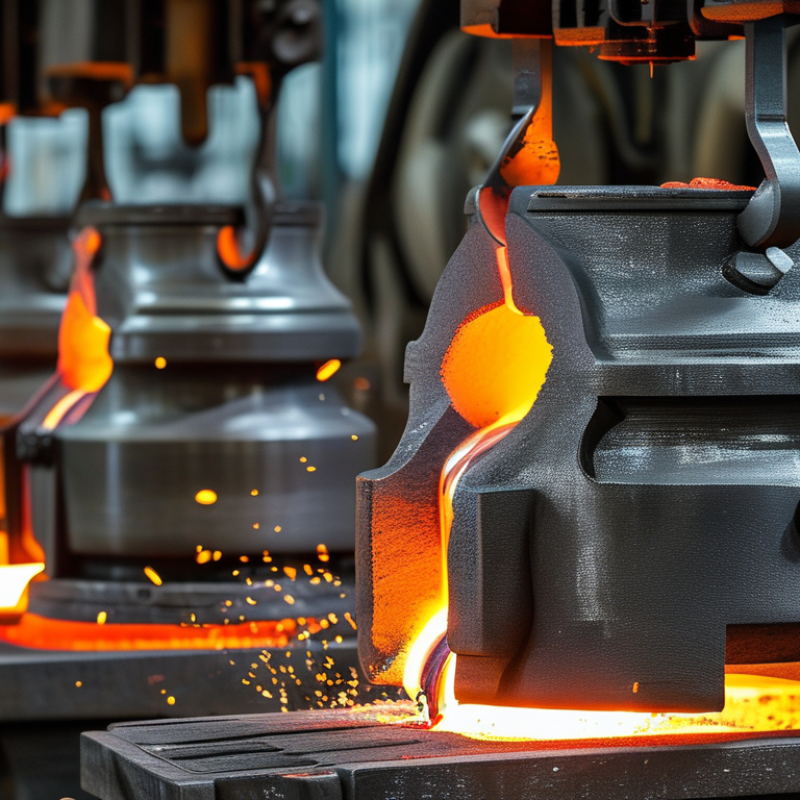
Types of Metal Casting Furnaces: An Overview for Buyers
When considering metal casting furnaces, it's crucial to understand the various types available. Each furnace type has unique features and methods. This knowledge can significantly impact the casting process and final product quality.
Induction furnaces are popular for their efficiency and precise temperature control. They use electromagnetic fields to heat metals quickly. Crucible furnaces, on the other hand, offer simplicity and are perfect for small-scale operations. Many beginners start with them due to low cost and straightforward usage.
Electric arc furnaces excel in recycling metal. They require careful monitoring to avoid energy waste. In contrast, cupola furnaces are great for bulk production. However, they may produce inconsistent results. Understanding these differences helps buyers make informed choices that fit their specific needs.
Key Characteristics to Consider in Metal Casting Furnaces
When selecting a metal casting furnace, several key characteristics demand attention. The furnace type influences the quality of cast products. Fuel type is essential; electric versus gas offers distinct advantages and emissions profiles. Energy efficiency is another consideration. A furnace that minimizes energy use can lead to significant cost savings over time.
Temperature control and uniformity are crucial for consistent results. High-quality furnaces provide precise temperature regulation. This leads to better melting and casting outcomes. The furnace's material composition impacts durability and maintenance needs. Choosing a robust design can reduce downtime and maintenance frequency.
It's also vital to consider the size and capacity of the furnace. A balance between operational efficiency and the production demands of the business is necessary. Potential buyers should also think about future scalability. Investing in a furnace that can adapt to growing production needs is wise. Reflecting on these factors can improve decision-making in the long run.
Comparative Advantages of Different Furnace Types
When selecting a metal casting furnace, understanding the comparative advantages of different types is crucial. Induction furnaces, for instance, are highly efficient. They provide rapid heating and precise temperature control. According to a recent market report, their utilization can enhance productivity by up to 30%. This efficiency stems from their ability to selectively heat metal through electromagnetic induction, reducing energy waste.
On the other hand, cupola furnaces excel in cost-effectiveness for large production volumes. They can continuously melt metal, making them suitable for foundries with high demand. Industry experts note that the operational cost of cupolas can be 20% lower than induction furnaces for mass production. However, they produce a higher level of emissions, raising sustainability concerns.
Electric arc furnaces are notable for their flexibility. They can melt various scrap materials with minimal refining. Reports highlight that these furnaces can achieve a melting rate of about 10 tons per hour, making them attractive for recycling operations. Nevertheless, the initial investment for electric arc systems can be steep, potentially posing a barrier for smaller operations. Balancing initial costs with long-term benefits remains a challenge for buyers.
Global Trends in Metal Casting Furnace Technology
The metal casting industry is evolving rapidly. Modern casting furnaces are at the forefront of this transformation. They emphasize efficiency, sustainability, and versatility. Technological advancements drive innovation. This leads to improved performance and lower environmental impact.
Many foundries now focus on electric induction furnaces. These units excel in energy efficiency. They allow for precise temperature control. As a result, the quality of cast metals is enhanced. Another trend is the integration of automation. Fully automated systems increase productivity and reduce human error. However, reliance on technology can pose challenges. Not all facilities may have the resources for such advanced systems.
Tips for selecting a furnace include assessing production needs. Consider the types of metals being cast. Evaluate the energy sources available. Balancing cost with performance is crucial. Additionally, regular training for operators helps optimize usage and maintain safety standards. As trends shift towards greener technologies, staying updated is essential. Investments in renewable energy sources can significantly benefit any foundry in the long run.
Top 10 Metal Casting Furnace Types for Global Buyers
Selecting the Right Furnace for Your Casting Needs
Selecting the right metal casting furnace for your needs is crucial. Each type of furnace offers unique benefits, and understanding your requirements will help. Consider the material you will cast, the volume, and the heat source. Different furnaces cater to different applications.
When choosing a furnace, think about energy efficiency. Some furnaces use more energy than others, impacting cost and sustainability. Take your time to assess options. An unsuitable furnace could lead to poor results and wasted resources. Gather insights from experienced foundry professionals for a clearer picture.
Tips for selecting a furnace:
- Evaluate your production volume before deciding on a size.
- Look for user reviews; they can offer real-world insights.
- Test different melting techniques if possible. This can help you refine your choice.
The right furnace can enhance your casting processes. However, it’s vital to review your choice regularly. New technologies emerge, and your needs may change over time. Ensuring you stay updated will lead to
better casting outcomes.


