Top 10 Pump Dampeners You Need for Your Business?
In today's industrial landscape, maintaining optimal pump performance is crucial. One key element that often goes unnoticed is the pump dampener. These devices minimize vibrations and reduce noise in pumping systems, ensuring a longer lifespan for your equipment. Choosing the right pump dampener can greatly enhance your operational efficiency.
Selecting the best pump dampener requires careful consideration. You should assess the specific needs of your system and the environments in which they operate. Not all dampeners are created equal; their effectiveness can vary significantly. Proper installation and maintenance are also paramount. Even minor oversights can lead to reduced performance or increased wear.
Investing in quality pump dampeners is not just a technical necessity; it’s also a strategic business decision. Poorly functioning pumps can disrupt operations, leading to costly downtime. With the right tools and knowledge, you can make educated choices that promote reliability and efficiency. This guide is designed to help you navigate the options available in the market.
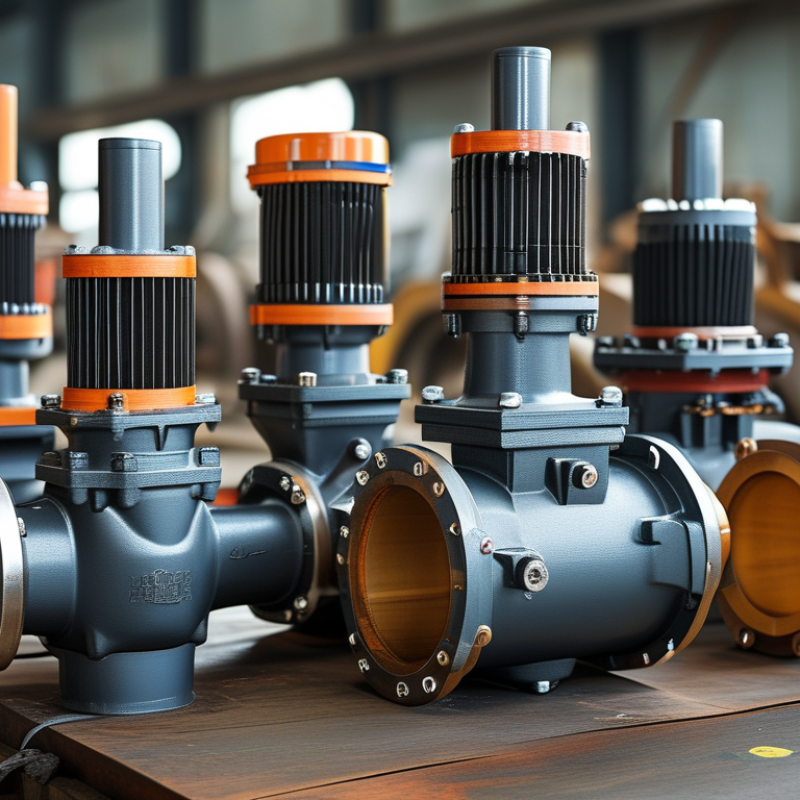
Understanding the Importance of Pump Dampeners in Business Operations
Pump dampeners play a crucial role in maintaining the efficiency of business operations. These devices reduce the vibrations and pressure fluctuations in pumping systems. Without effective dampening, businesses can face mechanical failures and increased operational costs. According to recent industry studies, improper management of pump systems can lead to a 30% increase in maintenance expenses.
Industries that rely heavily on pumps, such as oil and gas or water treatment, experience significant benefits from using high-quality dampeners. They help stabilize the flow and minimize the risk of equipment damage. A report by the Hydraulic Institute notes that companies can improve their energy efficiency by up to 20% with proper dampening solutions. This translates to substantial cost savings and enhanced productivity.
Many businesses underestimate the impact of vibrations on operational lifespans. Continuous vibrations can lead to premature wear and tear on machinery. Regular maintenance and the use of dampeners should be prioritized. Yet, many organizations still overlook these essential components. Investing in the right dampening technology can be a game changer for operations efficiency.
Types of Pump Dampeners: Which Ones Are Right for Your Industry?
When selecting pump dampeners, it’s essential to consider the specific needs of your industry. Different applications demand varying levels of vibration control. In the industrial sector, for example, heavy machinery may require robust dampeners. These devices help reduce wear on equipment and prevent premature failures. In contrast, the food and beverage industry often needs dampeners that comply with hygiene standards. Here, materials must be non-toxic and easy to clean.
Chemical processing has its own unique requirements. In this field, damping solutions must resist harsh substances. A failure in this area can lead to leaks or other dangerous situations. Additionally, the oil and gas industries demand highly durable dampeners that can withstand extreme temperatures and pressures. Each of these environments highlights the diversity of pump dampeners. Some options may work well in one context but fail in another.
Choosing the right type also involves understanding installation and maintenance. Even the best dampener can underperform if not properly fitted. Regular inspections are crucial to ensure ongoing effectiveness. Reflecting on your current systems can reveal gaps or inefficiencies. It is essential to assess your experiences and adapt your choices accordingly. Each industry brings unique challenges demanding tailored solutions.
Key Factors to Consider When Selecting Pump Dampeners for Your Business
When selecting pump dampeners for your business, several key factors come into play. You need to consider the material of the dampeners. Different materials offer unique benefits. For instance, rubber dampeners are effective in absorbing vibrations, but may degrade over time. Metal options provide durability but can amplify noise if not used properly.
Another crucial factor is the size and compatibility with existing systems. A dampener that is too large may obstruct flow, while one that is too small might not perform effectively. Pay attention to the pressure ratings as well. Inadequate ratings can lead to equipment failure and costly downtime.
Lastly, consider your operational environment. Factors like temperature and exposure to chemicals can impact the performance of your dampeners. Regular assessments and feedback loops can also help identify if your selected dampeners are meeting your needs.
Sometimes, even after careful selection, solutions may not work as expected. This is a chance for reflection and adjustment. Continuous improvement is key to enhancing efficiency in your operations.
Top 10 Recommended Pump Dampeners for Improved Performance and Efficiency
When it comes to enhancing pump performance, dampeners play a crucial role. They help reduce vibration and noise, improving the efficiency of your equipment. Choosing the right dampeners can make a significant difference in your operations.
Here are some recommended types of pump dampeners you should consider. First, gas-filled dampeners are popular for their ability to absorb shocks effectively. They ensure a smoother operation in high-pressure systems. Second, flexible diaphragm dampeners are excellent for maintaining consistent pressure. They assist in stabilizing flow rates and minimize pulsation.
**Tips:** Regular maintenance of your dampeners is essential. Check for any signs of wear or damage. If neglected, performance may decline. Also, install dampeners closer to the pump inlet. This can help maximize their effectiveness in minimizing water hammer effects. Awareness of pressure fluctuations is key too; take notes on regular performance changes.
Sometimes, even the best dampeners need adjustment. Watch for unusual noises or reductions in flow. Such observations can lead to better maintenance practices and improved reliability of your pumping systems. Reflecting on these factors often reveals areas of potential enhancement in your operations.
Top 10 Recommended Pump Dampeners for Improved Performance and Efficiency
| Rank | Dampener Type | Material | Maximum Pressure (psi) | Effectiveness (%) | Price ($) |
| 1 | Piston Dampener | Steel | 1500 | 95 | 250 |
| 2 | Membrane Dampener | Rubber | 1200 | 90 | 180 |
| 3 | Bladder Dampener | Nitrile | 1000 | 92 | 200 |
| 4 | Spring Dampener | Stainless Steel | 2000 | 85 | 300 |
| 5 | Spherical Dampener | Aluminum | 1800 | 91 | 220 |
| 6 | Diaphragm Dampener | Polyurethane | 1600 | 89 | 150 |
| 7 | Foam Dampener | Foam Rubber | 800 | 80 | 100 |
| 8 | Hydraulic Dampener | Metal | 2500 | 96 | 400 |
| 9 | Shock Absorber Dampener | Composite | 1400 | 88 | 210 |
| 10 | Cylindrical Dampener | PVC | 1350 | 87 | 130 |
Maintenance Tips for Extending the Life of Your Pump Dampeners
When it comes to maintaining pump dampeners, regular care is crucial. A well-maintained dampener can prevent vibrations and prolong the life of your equipment. Start with a routine inspection every month. Check for any signs of wear or damage. Small issues can escalate quickly if left unattended.
Keep the dampeners clean. Accumulated dirt can impact performance. Use a soft cloth to wipe down the surfaces. Ensure that the mounting bolts are tight. Loose bolts can lead to unwanted noise and vibration. If you notice fluid leaks, address them immediately. Leaks can indicate seal failure, which may require replacement.
Monitor the operating conditions. Excessive temperature or pressure can shorten the lifespan of your dampeners. Ensure that they are rated for your specific applications. Provide regular training for your team on best practices. Encourage them to report any irregularities. This proactive approach builds a culture of reliability. Over time, it will pay off in terms of efficiency and extended equipment life.


