Rust Lube is no longer a minor workshop product. It supports machinery protection, shipping preparation, vehicle maintenance, and industrial asset care. Buyers now compare more than price. They examine corrosion resistance, application method, storage life, material compatibility, and environmental documentation.
The NACE IMPACT study estimated that corrosion costs the global economy about US$2.5 trillion annually, equal to roughly 3.4% of global gross domestic product. Its findings also suggest that effective corrosion management could reduce substantial avoidable losses. Meanwhile, international lubricant market reports from Grand View Research and MarketsandMarkets show continued demand for specialized maintenance lubricants across automotive, manufacturing, marine, and construction sectors. These reports do not measure Rust Lube alone. They still reveal the scale of the surrounding opportunity.
Dr. Reza Javaherdashti, a recognized corrosion scientist, has emphasized a practical principle: “Corrosion control must begin with understanding the corrosion environment.” That idea matters when selecting Rust Lube for global applications. A salt-air warehouse needs different protection from a dusty agricultural workshop. A thin penetrating spray may free a seized hinge, while a heavier film may protect exposed steel during ocean transport.
This guide examines ten major types of Rust Lube for international buyers. It considers real handling details, including nozzle control, residue, drying behavior, packaging, and temperature stability. Some product labels remain vague. That is a weakness buyers should question. Specifications can also look impressive but fail under humidity, vibration, or repeated washing. A careful comparison is necessary.
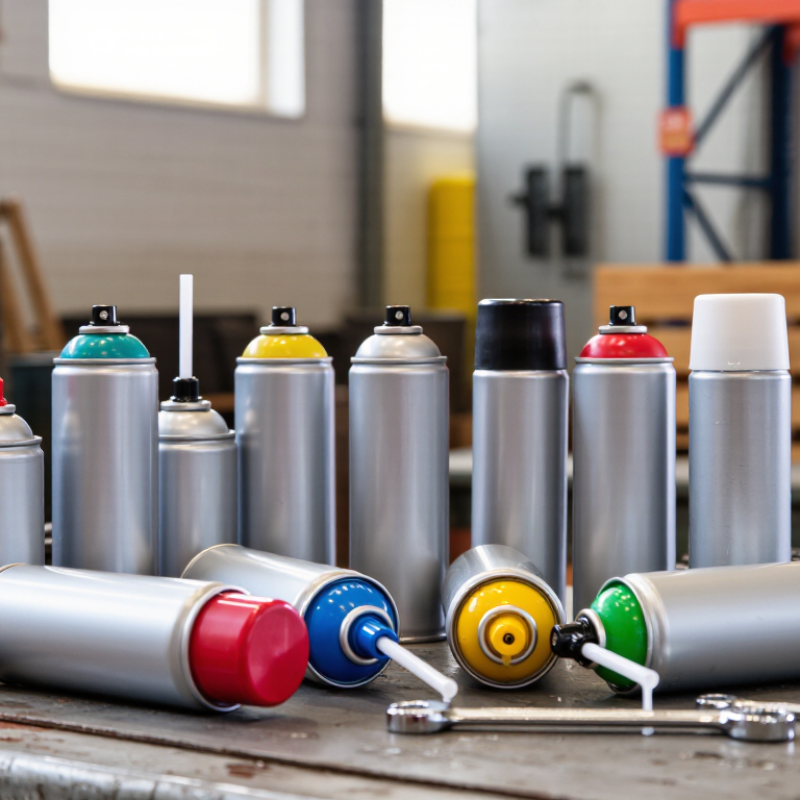
Rust lube is a protective fluid that reduces friction while slowing corrosion on metal surfaces. It works by displacing moisture, penetrating tight gaps, and leaving a barrier against oxygen and salts. Common types include penetrating oils, water-displacing sprays, wax films, lanolin-based coatings, synthetic oils, and dry-film lubricants.
The economic impact is substantial. The NACE IMPACT study estimated that global corrosion costs reached about US$2.5 trillion annually, equal to roughly 3.4% of global GDP. Rust lube cannot prevent every failure, but it can protect hinges, fasteners, chains, tools, and stored machinery when applied correctly. Field experience shows that clean, dry metal usually receives the most consistent coverage. Dirt remains a weakness. Salt exposure also demands more frequent inspection. ISO 9223 corrosion classifications remind buyers that marine and industrial environments require stronger maintenance planning.
Tips: Clean loose rust first. Apply a thin, even film. Test compatibility on painted or rubber parts. Reapply after washing, abrasion, or long storage. Product labels often sound more certain than real conditions. Temperature, humidity, metal type, and contact pressure can change performance. A thick coating is not always better; it may attract dust or hide fresh corrosion. Inspect protected parts regularly, and record application dates for critical equipment.
Rust lube forms a barrier that limits contact between metal, moisture, oxygen, salts, and contaminants. The chart compares the typical protection window of major rust-lubricant categories in sheltered indoor storage. Values represent the midpoint of common industry ranges and are not product guarantees.
Waxy coatings, rust-preventive greases, and anti-seize compounds generally provide the longest-lasting barrier because they leave a thicker or more persistent protective film. Penetrating oils and water-displacing fluids are better suited to short-term protection, moisture removal, and loosening corroded parts. Outdoor exposure, salt spray, temperature, surface preparation, film thickness, and handling frequency can significantly change actual protection time.
When rust locks a bolt, the right penetrating oil can save threads, tools, and hours of labor. These products differ in solvents, lubricants, corrosion inhibitors, and water-displacing additives. Common types include solvent-rich penetrants, light mineral oils, synthetic blends, and low-odor water-displacing fluids. Each suits a different task. A thin formula may enter tight threads quickly. A heavier oil can lubricate longer after movement begins. No penetrant works instantly.
In field maintenance, I apply oil around the entire fastener and wait several minutes. For severe rust, repeated applications often work better than one heavy spray. Gentle tapping can help the liquid travel through microscopic gaps. Use controlled force and the correct tool size. Excessive force may shear the bolt or damage the surrounding material. My own mistake was rushing a corroded fitting and creating extra repair work. Product instructions still matter, especially on painted, rubber, or plastic surfaces.
Tips: Brush away loose rust first. Spray from different angles. Wait longer for thick corrosion. Use gloves and ventilation. Test a small area when surface damage matters. Store the container away from heat. A penetrant may release the fastener, but it may not provide suitable long-term lubrication. Clean the threads and apply a compatible lubricant afterward when required.
| No. | Rust-Lube Type | Typical Formulation | Typical Viscosity or Texture | Residue After Penetration | Best Applications | Main Advantages | Important Limitations |
|---|---|---|---|---|---|---|---|
| 1 | Petroleum-Solvent Penetrating Oil | Light mineral oil combined with volatile petroleum solvents and corrosion inhibitors | Very thin liquid; commonly below 10 mm²/s at 40°C after solvent evaporation is excluded | Light oily film | Rusty nuts, bolts, hinges, threaded fasteners and general maintenance | Fast capillary action; widely compatible with carbon steel and common machinery | Flammable vapors may be present; solvent exposure can affect some plastics, paints and elastomers |
| 2 | Low-Viscosity Mineral Oil | Highly refined mineral base oil with anti-rust and anti-wear additives | Thin liquid, typically about 5–20 mm²/s at 40°C | Persistent oily film | Lightly corroded fasteners, small mechanisms, tools and electrical-mechanical assemblies | Good lubrication and short-term corrosion protection; low evaporation compared with solvent-rich products | Usually penetrates slower than solvent-containing oils and may attract dust |
| 3 | Synthetic Hydrocarbon Penetrant | Synthetic hydrocarbon fluids, often with low-temperature and corrosion-inhibiting additives | Low and stable viscosity across a broad temperature range | Clean, light film | Industrial equipment, outdoor maintenance and assemblies exposed to temperature changes | Good oxidation stability, low-temperature flow and consistent penetration | Often costs more than conventional mineral-oil products; compatibility must be checked for sensitive polymers |
| 4 | Water-Displacing Rust Penetrant | Water-repellent hydrocarbon carrier with polar additives and corrosion inhibitors | Thin, mobile liquid | Water-repellent oily film | Wet fasteners, marine maintenance, damp tools and parts exposed to condensation | Helps separate water from metal surfaces while providing temporary corrosion protection | Not a substitute for a heavy-duty grease or long-term rust-preventive coating |
| 5 | Bio-Based or Readily Biodegradable Penetrant | Vegetable-derived esters or synthetic biodegradable esters with performance additives | Low to medium viscosity; commonly about 10–50 mm²/s at 40°C | Oily, sometimes tackier film | Forestry, agriculture, construction, marine work and environmentally sensitive sites | Lower aquatic persistence potential than many conventional mineral-oil formulations | May have lower oxidation stability or shorter storage life; biodegradability claims require product-specific testing |
| 6 | Molybdenum-Disulfide Penetrating Lube | Penetrating oil containing finely dispersed molybdenum disulfide solid lubricant | Thin liquid with dark gray to black appearance | Lubricating film with solid-particle residue | Heavily loaded threads, high-pressure joints and slow-moving metal interfaces | Solid lubricant can reduce friction and help prevent galling during release | Can stain surfaces; not suitable where dark residue or particle contamination is unacceptable |
| 7 | Graphite-Enhanced Penetrating Oil | Light penetrating carrier with dispersed graphite particles | Thin liquid; visibly dark | Dry or semi-dry graphite-containing film | High-temperature threaded parts, locks and slow-moving metal assemblies | Graphite provides solid-film lubrication when much of the liquid carrier has evaporated | Graphite may promote galvanic corrosion when in direct contact with some aluminum alloys; leaves visible residue |
| 8 | PTFE-Enhanced Penetrating Lube | Low-viscosity oil or solvent carrier containing dispersed polytetrafluoroethylene particles | Thin liquid with a low-friction finish after application | Light, low-friction film | Fine mechanisms, sliding interfaces, light-duty fasteners and general workshop use | Low coefficient of friction and generally clean appearance compared with graphite products | The deposited film is not intended for extreme-pressure loads; excess product can collect dust |
| 9 | Foaming Aerosol Penetrant | Penetrating oil delivered through an aerosol system that forms a temporary foam or cling layer | Foam or clingy liquid that later collapses into an oil film | Light to medium oily residue | Vertical joints, overhead fasteners and hard-to-reach corrosion points | Clings to surfaces and improves contact time with less immediate run-off | Aerosol packaging is subject to transport, storage and flammability requirements; overspray control is necessary |
| 10 | Silicone-Based Penetrating Lube | Silicone fluid with solvent or carrier and corrosion-protection additives | Very slick, low-to-medium viscosity liquid | Persistent water-repellent film | Rubber seals, plastic components, lightly corroded hinges and moisture-prone mechanisms | Good water repellency and broad temperature capability; generally useful around many elastomers | Usually weaker for heavily seized metal threads than dedicated solvent-rich penetrating oils; may interfere with subsequent painting or bonding |
Long-term metal storage needs more than a shiny surface. NACE International’s IMPACT study estimated global corrosion costs at about US$2.5 trillion annually, equal to 3.4% of global GDP. Rust-preventive oil can reduce exposure, but only when matched with humidity, packaging, and storage time.
Common options include solvent-deposited oil, water-displacing oil, fingerprint-removing oil, thin-film preservative oil, waxy-film oil, mineral-oil protectant, synthetic-oil protectant, vapor-phase oil, heavy-film storage oil, and oil-grease compounds.
Water-displacing formulas suit recently washed parts. Waxy films offer stronger protection during ocean freight. Vapor-phase oils work inside enclosed packaging, while heavy films suit outdoor equipment.
Clean, dry steel matters most. No oil is magic.
ASTM D1748 humidity-cabinet testing helps compare corrosion resistance, while ASTM B117 salt-spray testing provides controlled screening data. Neither test perfectly predicts warehouse performance.
ISO 9223 also shows that corrosion risk depends on humidity, salts, pollutants, and time of wetness.
Buyers should request test conditions, film thickness, removal requirements, and compatibility data. A part stored for twelve months may need a different oil from one shipped for thirty days. That detail is often missed.
Recheck protection after condensation, damaged packaging, or repeated handling, because small gaps can become large rust spots.
Top 10 Types of Rust Lube for Global Buyers?
Rust protection starts with the right grease, not the thickest grease. Heavy-duty buyers commonly compare lithium complex, calcium sulfonate, aluminum complex, polyurea, silicone, and synthetic greases. Each handles different loads, temperatures, and water exposure. Calcium sulfonate complex grease suits wet bearings and corrosive steel joints. Lithium complex grease offers balanced performance for general machinery. Polyurea grease can support electric-motor bearings, but compatibility must be checked carefully. Mixing products is a frequent field mistake.
Anti-seize compounds protect threaded fasteners, flanges, pins, and exhaust connections. Copper, nickel, aluminum, graphite, and ceramic formulas are among the ten practical categories. Nickel-based compounds suit high-temperature assemblies, while ceramic types avoid metallic contamination near sensitive equipment. Always check the operating temperature, pressure, galvanic risk, and required torque. More paste does not mean better protection. It can distort torque readings.
The NACE IMPACT study estimated global corrosion costs at about 2.5 trillion US dollars, equal to roughly 3.4% of global GDP. A U.S. Federal Highway Administration corrosion-cost report also estimated over 276 billion dollars in annual domestic costs, based on 1999 infrastructure data. These figures are older, but the maintenance lesson remains useful. Clean the surface first. Apply a thin, even film. Store containers sealed and dry. Product selection still requires caution, because real sites are rarely as clean as laboratory tests.
Climate changes everything. In humid coastal regions, water-displacing oils help push moisture from steel seams and fasteners. Penetrating oils work better on seized threads, especially after several short applications. In dry, dusty areas, wax-based protectants can form a tougher film without staying excessively wet.
Material compatibility matters just as much. Light machine oil suits ordinary carbon steel, while silicone-based lubricant may be safer around rubber seals and selected plastics. PTFE formulas reduce friction on moving metal parts, but they may not provide enough corrosion protection outdoors.
Lanolin-based coatings offer strong salt resistance, although they can attract dust. Graphite and molybdenum products suit heavy-load contact points, not every precision mechanism.
Application conditions should guide the final choice. For hinges, use a thin penetrating lube and wipe away runoff. For stored tools, apply a wax or corrosion-inhibiting film after cleaning and drying the surface. Marine hardware needs salt-resistant protection, while indoor equipment may only need a light oil. Read the technical data sheet for temperature range, residue, and material warnings. Test it.
I once applied a thick coating to a dusty locking mechanism, expecting longer protection. It reduced rust but made the mechanism gritty. That mistake changed my process. I now clean first, apply less, and inspect after one week. No chart replaces a small compatibility test on an unseen area.
1272 Speers Rd Unit 4
Oakville ON Canada L6L 2X4
©Copyright 2020 Gosco Valves. All rights reserved.