Top 5 Temperature Control Valve Options for Efficient Performance?
In industrial systems, maintaining optimal temperatures is crucial for efficient performance. A reliable temperature control valve is essential in achieving this goal. These valves regulate the flow of fluids, ensuring that processes operate within designated temperature ranges. With various options available, selecting the right temperature control valve can significantly impact energy efficiency and overall productivity.
Choosing a suitable valve requires understanding specific requirements. Factors like fluid type, pressure, and application environment play a role in determining the best option. Each type of temperature control valve has unique characteristics that suit distinct needs. Users must consider these details to ensure effective temperature management.
However, the right choice may not be straightforward. Some valves may perform efficiently in one application but fail in another. Analyzing the limitations of each option can lead to better decisions. In this article, we will explore the top five temperature control valve options, highlighting their features and potential drawbacks. By examining these examples, readers can make informed choices to enhance their systems' performance.
Understanding Temperature Control Valves and Their Importance
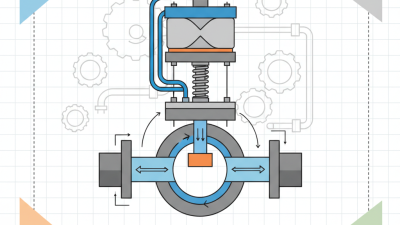
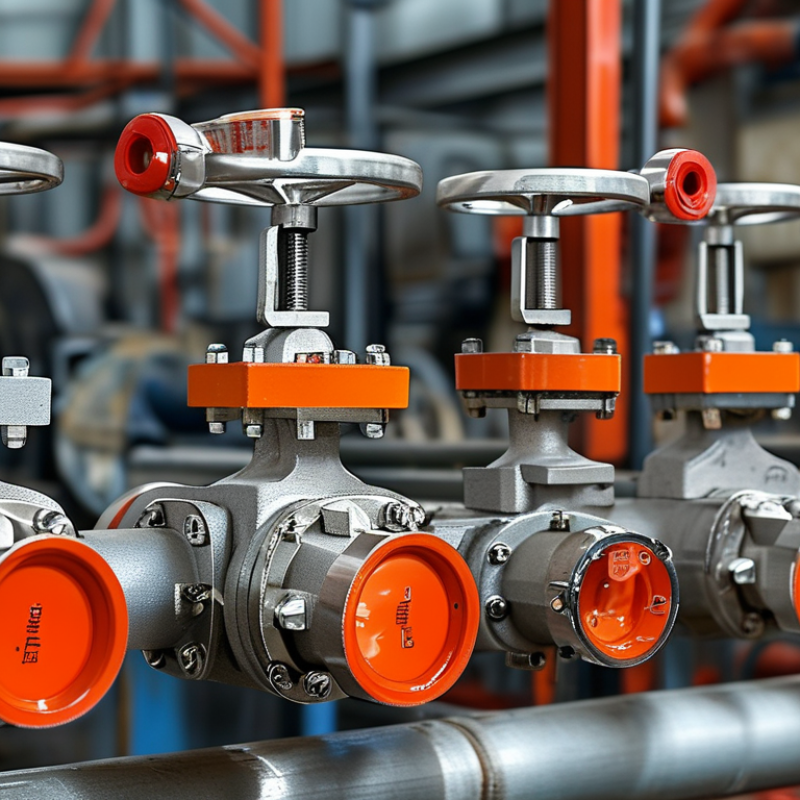
Temperature control valves play a vital role in many industrial processes. They help maintain the desired temperature within a system, ensuring optimal performance and safety. These valves respond to temperature changes by adjusting fluid flow, either increasing or decreasing it as needed. This dynamic response is essential for energy efficiency and equipment longevity.
Understanding the different types of temperature control valves can greatly enhance system efficiency. For example, modulating valves offer precise regulation but can be complex to install. In contrast, on-off valves are simpler but may not provide the same level of control. Users must weigh the trade-offs between precision and ease of use. While some might choose based on initial costs, the long-term impacts often warrant reflection.
Effective temperature management can prevent overheating, which may lead to equipment failure. However, improper valve selection can result in inefficiencies. This calls for a careful evaluation of operational needs. Decisions should be informed by data and expertise. An assessment of application requirements is crucial for making a reliable choice.
Types of Temperature Control Valves Available in the Market
Temperature control valves play a crucial role in many industries. These valves regulate fluid temperatures, ensuring efficient process management. There are different types of temperature control valves available in the market, each designed for specific applications.
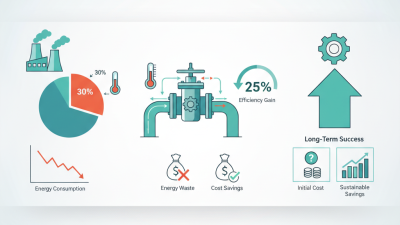
The most common types include thermostatic valves, electric valves, and pneumatic valves. Thermostatic valves automatically adjust based on temperature changes. They are often used in HVAC systems. A study shows that using these valves can increase energy efficiency by up to 30%. Electric valves, on the other hand, are operated by an electric actuator. They offer precise control and quicker response times. Pneumatic valves utilize compressed air for operation. While they require a separate air supply, they are reliable for heavy-duty applications.
An emerging option is the combination valve, which integrates multiple control mechanisms. This versatility can enhance performance in complex systems. However, many users report challenges in maintenance and initial setup. It's crucial to evaluate the specific needs of your system before choosing a valve type. Industry data underscores that improper selection can lead to inefficiencies and increased operational costs. Adapting the right temperature control valve can significantly impact overall system performance and stability.
Key Features to Consider When Choosing a Temperature Control Valve
When selecting a temperature control valve, several key features can enhance performance. The valve's material greatly impacts its durability and resistance to corrosion. Common materials like stainless steel and brass offer reliability in various environments. Additionally, ensure the valve can handle the required temperature and pressure ranges. This prevents failures and ensures longevity.
Consider the valve size. An improperly sized valve can lead to reduced efficiency. It may lead to operational issues, increased costs, and maintenance headaches. A precise fit is crucial for optimal flow control. Furthermore, look into valve response time. A faster response time ensures better regulation in fluctuating conditions, which enhances system performance.
Another aspect to evaluate is the ease of installation and maintenance. A complex setup can increase downtime. Simpler designs often translate to easier troubleshooting and service. Lastly, check for compatibility with your existing system. Mismatched components can cause inefficiencies and even damage. Thoughtful consideration of these features ensures you make an informed choice.
Top 5 Temperature Control Valve Options for Optimal Efficiency
Temperature control valves play a crucial role in various systems. They regulate fluid temperature, ensuring efficient performance. The right valve can enhance operational efficiency significantly. Key considerations include responsiveness, material compatibility, and control precision. Each application demands specific features, making careful selection vital.
In industries like HVAC and chemical processing, choosing the wrong valve can lead to inefficiencies. For instance, a valve that isn't sensitive enough may not respond to temperature changes swiftly, causing overheating. Conversely, a valve that reacts too quickly might create instability. Finding the perfect balance in responsiveness is essential. Proper installation and regular maintenance can further optimize performance.
Exploring alternatives and continuously assessing existing systems is crucial. Sometimes, even the best technology can fall short if not regularly evaluated. Feedback from operators can reveal weaknesses. Collecting and analyzing data leads to informed decisions. This approach ensures that systems remain efficient and reliable over time.
Comparative Analysis of Performance and Cost of Selected Valves
When evaluating temperature control valves, performance and cost are critical factors. Selecting the right valve can enhance system efficiency. Consider features such as response times and range of operation. Each option offers distinct advantages and disadvantages. Some valves excel in quick response but come with higher costs. Others are budget-friendly but may lag in performance.
Operational reliability is another essential element. Quality materials often lead to improved longevity. However, they may also increase the initial investment. Users should assess the expected lifespan versus upfront costs. Performance metrics like flow capacity and pressure handling are vital in this analysis. Some valves may require frequent maintenance, impacting long-term value.
It’s essential to review installation requirements as well. A complex setup might incur additional labor costs. The simplicity or complexity of integration can affect overall project timelines. Costs should be weighed against benefits, ensuring you choose the most suitable valve for your specific application. While some choices appear optimal on paper, field tests may reveal unexpected challenges. Evaluate feedback and expert recommendations to guide decisions effectively.