What is a Valve Positioner and How Does It Work?
In industrial automation, the valve positioner plays a crucial role. This device ensures that a valve reaches its desired position efficiently. According to Dr. Emily Carter, a leading expert in control systems, “A valve positioner optimizes the accuracy and responsiveness of valve operations.”
Valves regulate flow, but they require precise control to function correctly. Inaccuracies can lead to inefficiencies and system failures. A valve positioner addresses this need. It interprets signals from a controller and adjusts the valve’s position accordingly. This relationship highlights the importance of understanding how a valve positioner works in practice.
Despite their advantages, valve positioners are not without challenges. Calibration errors can occur, impacting performance. Some systems may also struggle with integrating positioners effectively. It is essential to evaluate these potential pitfalls to ensure smooth operation. Understanding these devices requires ongoing learning and adjustment, reinforcing their critical role in today’s industry.
What is a Valve Positioner?
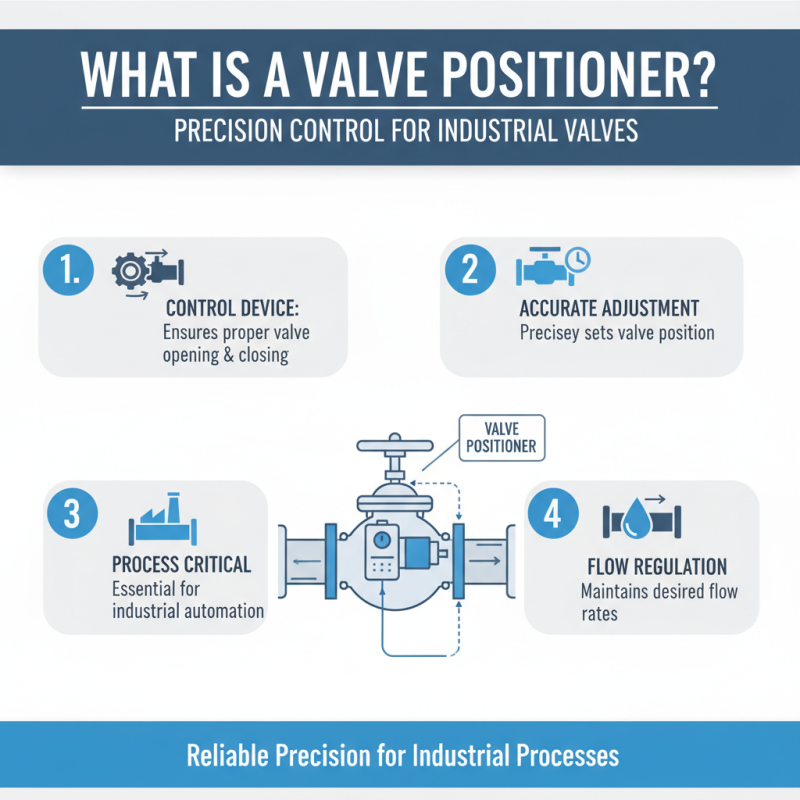
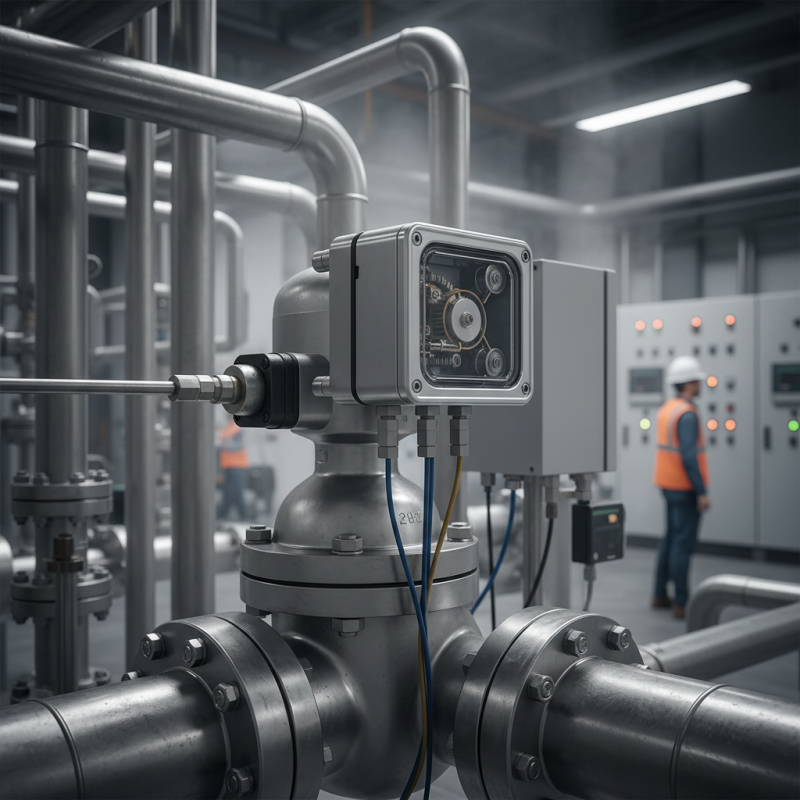
A valve positioner is a control device. It ensures a valve opens and closes properly. By accurately adjusting the position of the valve, it plays a crucial role in process control. Many industries rely on these devices for precision. It helps maintain the desired flow rate in piping systems.
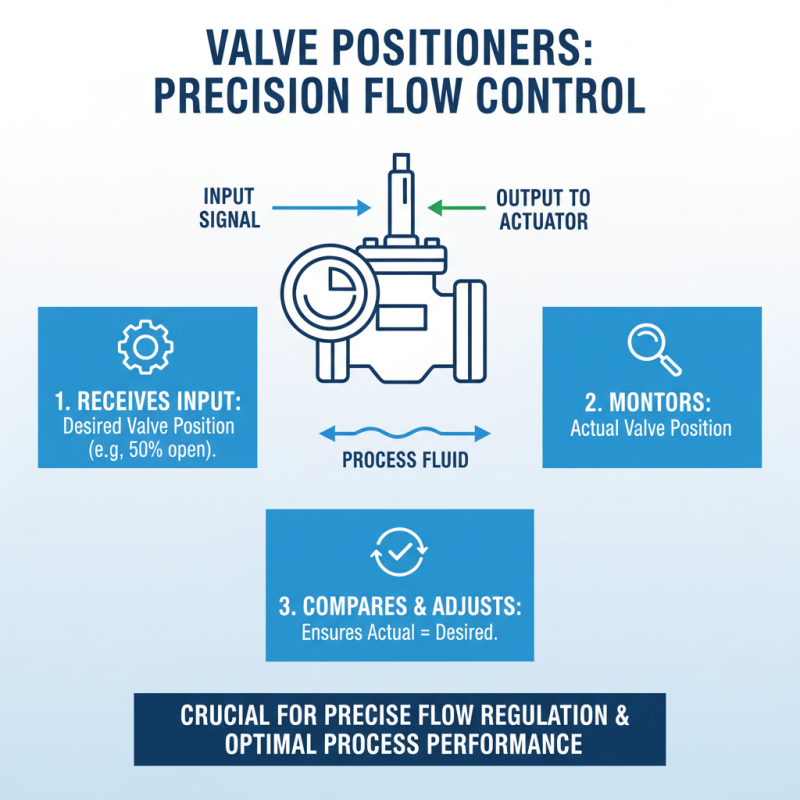
The device receives input signals from controllers. These signals represent the desired valve position. The positioner then adjusts the valve actuator accordingly. This adjustment can be mechanical, pneumatic, or electronic. Sometimes, the system may not respond as expected. Calibration issues can occur, leading to inaccuracies. Proper maintenance is vital to avoid these problems.
In industrial settings, valve positioners enhance efficiency. An automatic system can reduce human error. However, they can be complex. Understanding how they operate can be challenging. Some technicians may overlook the setup process. This can lead to operational hiccups. Regular training and reviews might be necessary to improve outcomes.
The Role of Valve Positioners in Control Systems
Valve positioners play a critical role in control systems. They ensure that a valve accurately reaches and maintains its desired position. This precision is vital for various processes. In industrial settings, valves control the flow of liquids and gases. An ideal positioner adjusts the valve's position based on a control signal. This improves system reliability and efficiency.
Tips: Maintain clear communication between the positioner and the control system. Regular calibration checks help in achieving optimal performance.
Understanding the function of valve positioners can be complex. They use feedback mechanisms to assess valve positions. Sometimes, manufacturers overlook the importance of accurate feedback. This can lead to inefficient processes and system failures.
Tips: Always document the calibration process. This documentation helps in identifying patterns and potential issues. Regular training on system adjustments also boosts operational efficiency.
What is a Valve Positioner and How Does It Work? - The Role of Valve Positioners in Control Systems
| Parameter |
Description |
Typical Values |
| Type |
Electropneumatic, Pneumatic, or Digital |
Electropneumatic |
| Input Signal |
Control Signal from Controller |
4-20 mA |
| Output Signal |
Position to Valve Actuator |
3-15 psi |
| Feedback Mechanism |
Position Sensor to Indicate Valve Position |
Linear Potentiometer |
| Operating Temperature |
Environmental Conditions |
-20°C to 80°C |
| Power Supply |
Source for Actuator |
24 VDC or 110 VAC |
| Control Accuracy |
Precision of Valve Positioning |
±1% |
How Valve Positioners Operate: A Step-by-Step Explanation
Valve positioners play a crucial role in controlling valve performance. They ensure that a valve opens or closes to the desired position. This is especially important in processes requiring precise flow regulation.
When a signal is received, the valve positioner interprets it. It measures the position of the valve using feedback mechanisms. This information is compared to the desired set point. If there’s a deviation, the positioner adjusts the valve accordingly. This adjustment is often achieved through pneumatic or electrical signals.
Sometimes, issues arise. A positioner may not respond promptly due to mechanical wear. This leads to delayed reactions, affecting flow rates. Regular maintenance helps, but it can be overlooked. Reflection on the valve's performance highlights these areas. Ensuring consistent operation requires vigilance in monitoring and adjusting the system.
Types of Valve Positioners and Their Applications
Valve positioners are essential in various industrial applications. They ensure precise control of valve positions. Different types of valve positioners cater to specific needs.
Pneumatic positioners are common. They use air pressure to adjust valve positions accurately. These devices are simple yet effective. They work well in environments with varying conditions. Hydraulic positioners, on the other hand, use fluid pressure. They offer more force and can handle larger valves. Electric positioners are another option. They use electrical signals for precise control. They are ideal for automated systems.
Tips: Regular maintenance is vital. Check for leaks and calibration often. This can prevent costly downtimes. Also, consider the environment. Some positioners may not work well in extreme conditions.
The choice of a positioner affects overall performance. Selecting the wrong type can lead to inefficiencies. Some users may overlook this aspect. It's important to evaluate needs carefully. Test different options under real conditions. Get feedback from operators.
Valve Positioners Overview
This chart illustrates the number of applications for different types of valve positioners: Pneumatic, Electric, and Digital. Pneumatic positioners are the most commonly used, while digital positioners are gaining popularity due to their advanced features.
Benefits of Using Valve Positioners in Industrial Settings
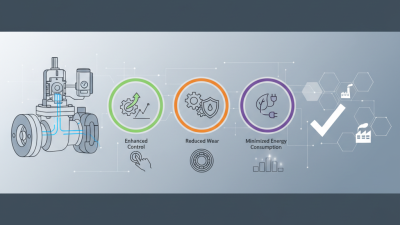
In industrial settings, valve positioners play a crucial role in optimizing operations. These devices ensure that valves open and close precisely as required. According to a recent report by the International Society of Automation, effectively using valve positioners can lead to a 15% increase in process efficiency. This improvement can save companies substantial amounts in terms of energy and resources.
Moreover, valve positioners enhance system stability. By accurately controlling valve positions, fluctuations in pressure and flow rates can be minimized. A study by the Flow Control Association indicates that implementing positioners can reduce process variability by up to 30%. However, not all setups benefit equally. Poorly installed or maintained positioners may lead to erratic operations, highlighting the importance of regular calibration and checks.
Additionally, utilizing valve positioners can result in more predictable outcomes. This can be particularly beneficial in safety-critical applications. Yet, organizations often overlook the training required for personnel. Without adequate knowledge, the potential benefits of using valve positioners might remain untapped. Investing in training can significantly enhance the reliability of these systems in the long run.