Ammonia is easy to overlook: it may arrive as granules in a fertilizer bag or as a clear, pungent liquid in an industrial tank. Yet this simple nitrogen-and-hydrogen compound supports food production and many everyday materials. The International Energy Agency’s 2021 Ammonia Technology Roadmap reports that about 70% of ammonia is used to make fertilizers. It also estimates that ammonia production accounted for roughly 2% of global final energy consumption and 1.3% of energy-related carbon dioxide emissions in 2020. Those figures reveal both its value and its cost.
The uses extend beyond farms. Manufacturers use ammonia in refrigeration systems, water treatment, and the production of plastics, fibers, and cleaning products. Interest is also growing in ammonia as a way to store and transport hydrogen, though this role remains constrained by safety, cost, and infrastructure requirements. The IEA’s Executive Director, Fatih Birol, has emphasized the need to reduce emissions from ammonia production as demand develops. That is the central tension: ammonia is useful, but conventional production is energy-intensive. The details matter.
This guide examines what ammonia is used for, how those applications work, and where newer uses may fit. It also distinguishes established uses from emerging ones. One caveat is important: global estimates vary by year and by how researchers define production and consumption. A fertilizer sack may be familiar; the energy system behind it is less visible. Understanding both helps readers assess ammonia’s practical value without overlooking its environmental footprint.
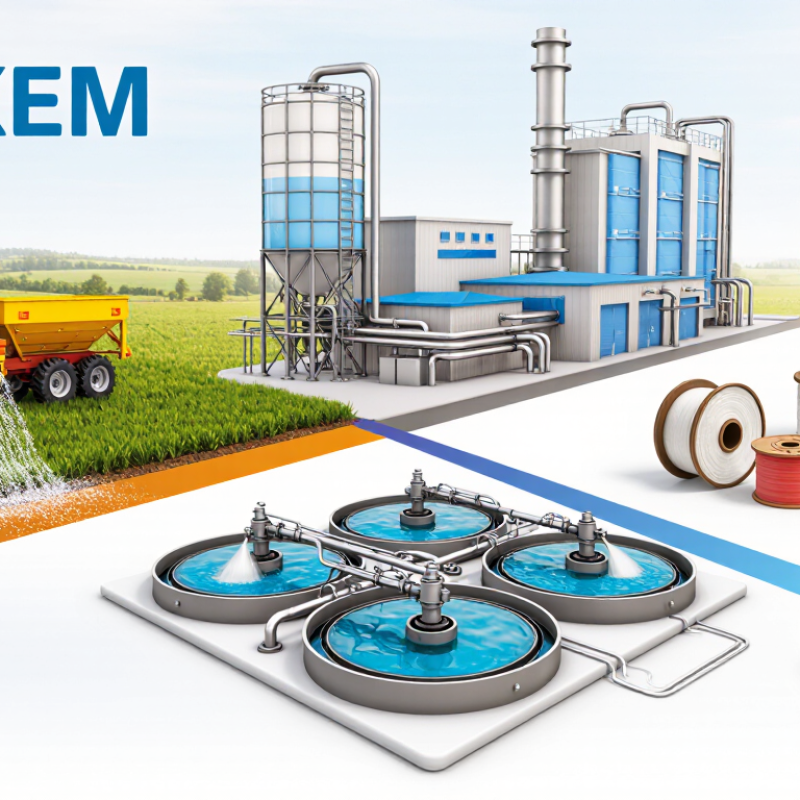
Ammonia is a compound of nitrogen and hydrogen, with the formula NH₃. At room temperature, it is a colorless gas with a sharp, distinctive smell. It dissolves readily in water, forming an alkaline solution. In nature, small amounts arise as nitrogen-containing material breaks down, but most commercial ammonia is made in industrial plants. The chemistry is familiar; the full process is less simple.
Most production combines nitrogen separated from air with hydrogen, often made from natural gas using steam. A catalyst, high temperatures, and high pressure help the gases react. The ammonia is then cooled, separated, and often stored as a liquid under pressure. Plants recycle unreacted gases, which improves efficiency. Still, this conventional route uses substantial energy and can release carbon dioxide. That detail matters. Some newer approaches use hydrogen made with renewable electricity, though their cost and availability vary. Actual results depend on the energy source and plant design, so “low-carbon” is not automatic. Even a clear chemical equation can hide a complicated supply chain.
Ammonia supports agriculture mainly by supplying nitrogen, an essential nutrient for crop growth. Plants use nitrogen to build proteins and chlorophyll, which helps leaves capture sunlight. Farmers apply ammonia directly in carefully managed forms or use it to produce fertilizers such as urea and ammonium salts. In soil, nitrogen may become available as ammonium or nitrate, which roots can absorb. The exact form and timing matter.
A soil test can help estimate how much nitrogen a field needs. Too little may limit growth; too much can wash into waterways or escape into the air. That matters. Farmers often consider crop type, soil conditions, weather, and the stage of plant growth when planning applications. For example, applying nitrogen close to a crop’s period of rapid growth can improve its chances of uptake, though heavy rain may still move nutrients away from roots.
Ammonia requires careful handling. Anhydrous ammonia is pressurized and can cause severe injury, so its storage and application call for suitable equipment and trained operators. Fertilizer planning is not exact. Fields vary, and even a sound estimate may need adjustment as conditions change. Used thoughtfully, ammonia-based fertilizers help maintain yields while reducing avoidable nutrient losses.
How Ammonia Is Used in Industry and Household Products
Ammonia is a nitrogen-containing chemical used widely in industry. Much of it goes into making nitrogen fertilizers, which help crops grow. It is also used to produce materials such as plastics and synthetic fibers. In some large refrigeration systems, ammonia circulates through pipes to absorb heat. These systems can cool warehouses and food-processing facilities. The details matter: industrial ammonia is handled with specialized equipment and training.
At home, ammonia usually appears diluted in certain glass and surface cleaners. It can help loosen grease and leave glass clear, though results depend on the surface and product instructions. A sharp smell may linger. That is easy to underestimate. Household products are not the same as concentrated industrial ammonia, and neither should be treated casually. Check the label, use good ventilation, and keep products away from children and pets.
Tips: Never mix ammonia cleaners with bleach or acidic cleaners; dangerous fumes can form. Wear gloves if the label recommends them, and open a window while cleaning. Use only the amount directed. If a surface becomes cloudy or damaged, stop and check the care instructions—cleaning advice is not always universal.
What Is Ammonia Used For?
Ammonia’s Roles in Refrigeration and Energy Systems
In industrial refrigeration, ammonia circulates through pipes and evaporators, absorbing heat from cold rooms and food-processing spaces. It transfers heat efficiently, so systems can deliver strong cooling with relatively little refrigerant. Ammonia also has no ozone-depletion potential and very low direct climate impact when contained. But it is toxic, and leaks demand prompt, practiced responses. Safety is part of the system, not an extra feature.
Energy systems are exploring ammonia as a way to store and transport hydrogen. It can be liquefied more readily than hydrogen, which may simplify some storage and shipping steps. At its destination, ammonia can be used directly in certain energy applications or split into hydrogen and nitrogen. The process takes energy, and combustion can produce nitrogen oxides unless carefully controlled. The idea is useful, but not effortless. Real performance depends on the whole chain, from production to end use. That chain can be easy to overlook.
Tips: In refrigeration facilities, keep leak detectors, ventilation, and emergency procedures maintained. For energy projects, compare conversion losses and emissions across the full supply chain. Small details matter.
| Application | How Ammonia Is Used | Relevant Facts | Key Considerations |
|---|---|---|---|
| Industrial refrigeration | Serves as the refrigerant in systems that remove heat from cold stores, food-processing facilities, ice plants, and other large cooling operations. | Ammonia is designated R-717. Its normal boiling point is approximately −33.3°C at atmospheric pressure, making it suitable for low-temperature cooling. | It is toxic at elevated concentrations and can be flammable under certain conditions, so systems require leak detection, ventilation, and trained operation. |
| Vapor-compression cooling | Circulates through an evaporator, compressor, condenser, and expansion device. It absorbs heat as it evaporates and releases heat as it condenses. | Ammonia has zero ozone-depletion potential and a global-warming potential of zero under the commonly used 100-year assessment convention. | Its environmental profile does not remove the need for careful engineering, since a release can pose immediate health and safety hazards. |
| Absorption refrigeration | Acts as the refrigerant in an ammonia–water absorption cycle. Water absorbs ammonia, and heat is then used to separate the ammonia so the cycle can continue. | The cycle can use heat as its main energy input instead of relying solely on mechanical compression. | System design must account for the different volatility of ammonia and water and manage pressure, heat input, and refrigerant containment. |
| Hydrogen storage and transport | Can carry hydrogen in chemically bound form. Ammonia may be decomposed, or “cracked,” to produce hydrogen and nitrogen. | Ammonia contains three hydrogen atoms per molecule and is liquefied by cooling or pressurization, which can support bulk storage and transport. | Cracking requires energy and equipment, and the resulting hydrogen may need purification for its intended use. |
| Fuel for power and heat | Can be burned directly in suitably designed equipment or converted to hydrogen for use in fuel cells and other hydrogen systems. | Ammonia contains no carbon, so its use does not produce carbon dioxide from the fuel itself at the point of combustion. | Combustion can generate nitrogen oxides, and potentially nitrous oxide, so emissions control and appropriate system design are important. |
| Energy-system emissions | May be used as an energy carrier when produced, stored, and delivered for later conversion to heat, electricity, or hydrogen. | Its overall climate impact depends on how the ammonia is made and on emissions from processing, transport, conversion, and use. | Ammonia is not automatically low-carbon; the full production pathway and lifecycle emissions must be assessed. |
Ammonia supports fertilizer production, refrigeration, and several industrial processes, but its usefulness depends on careful handling. The gas has a sharp, irritating odor, yet smell is not a reliable warning system: people may become less sensitive to it, and dangerous concentrations can develop quickly. Small leaks matter. Use equipment designed for ammonia, maintain working detectors, and keep storage areas ventilated. Workers should know the site’s emergency plan and consult the safety data sheet before handling the chemical.
Contact with concentrated ammonia can injure the eyes, skin, and lungs. Wear suitable protective equipment, including eye protection and gloves selected for the task. Never mix ammonia with bleach or other cleaners; hazardous gases may form. If a release occurs, move away and alert trained responders rather than trying to investigate it yourself. A checklist helps, but it can still miss a blocked vent or a damaged connection. That deserves regular attention.
Ammonia can also harm nearby ecosystems. Spills or fertilizer runoff may raise ammonia levels in water, where fish and other aquatic life are vulnerable. Water carries it. Facilities can reduce risks through sound tanks, secondary containment, careful transfer procedures, and prompt repair of leaks. Fertilizer users can follow soil-test guidance and avoid applying nutrients before heavy rain. Monitoring air and water around a site gives people useful evidence, though measurements need context. Safety is ongoing work, not a label on a container.
1272 Speers Rd Unit 4
Oakville ON Canada L6L 2X4
©Copyright 2020 Gosco Valves. All rights reserved.