What Is an Alkaline Hydrogen Generator?
An Alkaline Hydrogen Generator uses electricity to split water into hydrogen and oxygen. Inside its cell, an alkaline electrolyte carries ions between two electrodes. The process is established, practical, and still improving. In industrial systems, the generator is only one part of a larger setup. Pumps, separators, power controls, water treatment, and safety equipment all affect reliable operation. Small details matter. A cloudy sight glass or an unstable temperature reading can signal a problem that deserves attention.
Fraunhofer ISE electrolysis researcher Tobias Smolinka has emphasized the importance of evaluating electrolyzers as complete systems, rather than judging performance by the cell alone. That is a useful lens for understanding an Alkaline Hydrogen Generator: efficiency, durability, gas quality, and maintenance depend on how its parts work together. The technology has strengths, including a long industrial history and materials that can be less costly than some alternatives. It also has limits. Start-up behavior, operating range, and electrolyte handling require careful engineering. Not every installation performs alike.
This guide explains the basic components, operating principle, benefits, and trade-offs. It also looks at what buyers should check before selecting equipment, such as rated output, energy use, service needs, and the supplier’s test data. Numbers need context. A specification sheet is not the whole story, and real operating conditions can expose gaps in a neat brochure. That deserves a second look.
Definition and Basic Structure of an Alkaline Hydrogen Generator
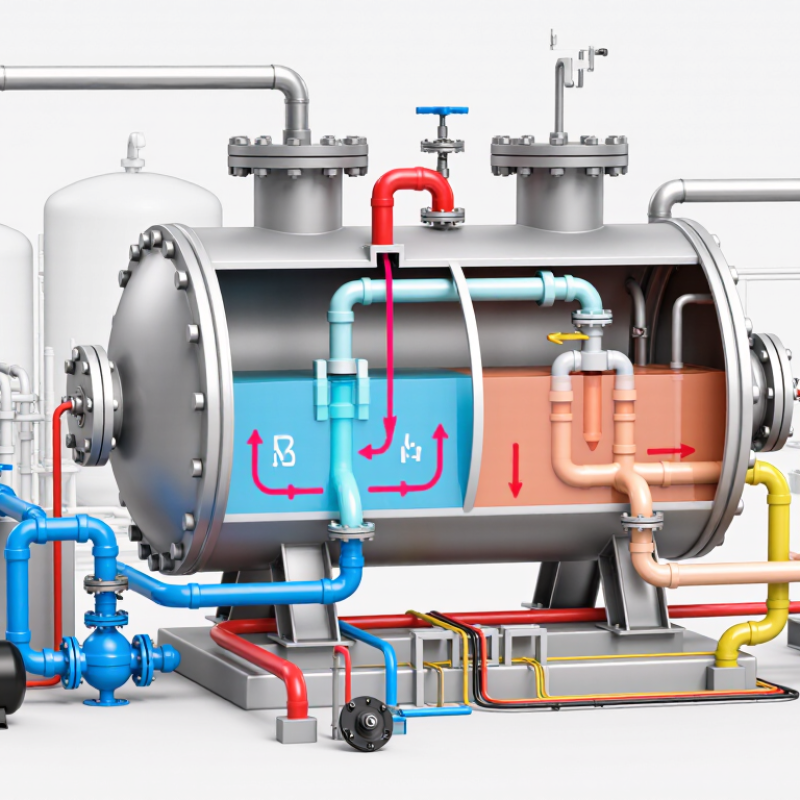
An alkaline hydrogen generator uses electricity to split water into hydrogen and oxygen. The process takes place in an electrolyzer containing an alkaline liquid electrolyte, commonly a water-based solution that conducts ions. Inside the cell, electrodes drive the reaction, while a separator helps keep the hydrogen and oxygen streams apart. The separator matters.
A basic system includes an electrolyzer stack, a direct-current power supply, and equipment for circulating and managing the electrolyte. Water enters the system as it is consumed. Gas-liquid separators then remove droplets from the outgoing gases, and pipes carry each stream away. In a small unit, these parts may fit into one cabinet; larger systems often use separate vessels and longer pipework.
Sensors and controls monitor conditions such as temperature, pressure, liquid level, and gas flow. These readings help operators spot changes before they become equipment problems. Details vary by design. A simplified diagram can make the generator look like a single box, but real operation depends on seals, electrical connections, cooling, and careful fluid management. Even a well-designed layout can be harder to maintain than it appears.
How the Generator Produces Hydrogen Through Electrolysis
What Is an Alkaline Hydrogen Generator?
How the Generator Produces Hydrogen Through Electrolysis
An alkaline hydrogen generator splits water using direct electrical current and a liquid electrolyte. The electrolyte commonly contains a hydroxide solution, which helps ions move between the electrodes. Inside the cell, a porous separator keeps the hydrogen and oxygen streams apart. It is a working component, not a perfect barrier; its condition matters.
At the cathode, water molecules receive electrons and form hydrogen gas. At the anode, hydroxide ions release electrons and produce oxygen.
The ions move through the electrolyte as the circuit carries electrons through the external wiring. In practical equipment, flow, temperature, pressure, and water quality all affect stable operation. Small changes matter. The basic chemistry is simple, but the system needs careful monitoring.
Tips: Check the specified water quality and inspect the separator and seals at scheduled intervals. Keep the unit in a well-ventilated area, and follow its operating instructions. Do not assume that gas output is pure or ready for every use; confirm specifications with suitable measurements. A slight operating irregularity can be easy to miss, so record readings and investigate changes rather than adjusting settings by guesswork.
The Role of the Alkaline Electrolyte and Cell Components
What Is an Alkaline Hydrogen Generator?
The Role of the Alkaline Electrolyte and Cell Components
An alkaline hydrogen generator splits water inside an electrolysis cell. Its liquid electrolyte, commonly potassium hydroxide, carries hydroxide ions between electrodes. At the cathode, hydrogen forms; at the anode, oxygen is released. A porous diaphragm separates the gases while allowing ions to pass. Small details matter.
The stack also contains electrodes, cell frames, seals, and current collectors. Together, these parts guide electrical current and keep electrolyte flowing through the cells. IEA’s Global Hydrogen Review 2024 reports that installed water-electrolysis capacity exceeded 1.4 gigawatts worldwide by the end of 2023. That figure describes deployment, not how many systems use alkaline technology. Still, it shows why cell design and maintenance deserve attention.
In operation, electrolyte concentration, temperature, and circulation affect conductivity and gas separation. Seals and diaphragms can wear, while impurities may reduce performance. The electrolyte is not a magic fix. A practical design must balance efficient ion transport against corrosion, leakage, and routine servicing. Even a clean schematic can make these trade-offs look simpler than they are.
Operating Conditions That Affect Hydrogen Output
What Is an Alkaline Hydrogen Generator?
An alkaline hydrogen generator splits water using electricity and a liquid alkaline electrolyte. Hydrogen output is not fixed; it changes with operating conditions. Current is a direct driver: more current generally supports a higher production rate, provided the stack stays within its rated limits. The relationship is not a free pass. Excess load can raise heat and accelerate wear.
Temperature matters too. A warmer electrolyte often improves conductivity and reduces electrical losses, but overheating may damage seals and shorten component life. Electrolyte concentration also affects conductivity; too little or too much can hinder performance. Water quality is easy to underestimate. Minerals and contaminants may foul electrodes or restrict flow passages, so use water that meets the equipment specification. Small changes count.
Pressure, circulation, and gas separation influence stable delivery, not just the number on a display. Poor circulation can create uneven temperatures, while bubbles clinging to electrodes can reduce active surface area. Keep operating pressure, liquid level, and ventilation within documented limits. Check output after readings settle, using the same measurement method each time. A clean-looking unit proves little. Not always. Logs help reveal drift, though they cannot explain every cause; readings still need careful interpretation.
What Is an Alkaline Hydrogen Generator? — Operating Conditions That Affect Hydrogen Output
An alkaline hydrogen generator uses electricity to split water into hydrogen and oxygen in an alkaline electrolyte. At a fixed active area, increasing current density increases hydrogen production. The chart shows theoretical output for a 1,000 cm² active area, calculated using Faraday’s law at 100% Faradaic efficiency and expressed at 0°C and 1 atm. In practice, temperature can affect cell voltage and efficiency, while operating pressure affects gas handling and the reported gas volume.
Applications, Limitations, and Safety Considerations
An alkaline hydrogen generator splits water into hydrogen and oxygen using electricity and a liquid alkaline electrolyte, commonly potassium hydroxide. Its appeal is practical: the technology is established, and systems can supply hydrogen near the point of use. Applications include laboratory instruments, metal heat treatment, and some industrial processes. The International Energy Agency reported about 1.4 gigawatts of installed water-electrolysis capacity worldwide by the end of 2023; this figure covers multiple electrolyser technologies, not alkaline units alone.
There are trade-offs. The electrolyte is corrosive and needs careful handling, while gas separation, water quality, ventilation, and maintenance all affect safe operation. Output may also respond less flexibly to rapid power changes than some newer systems. That distinction matters. A generator sized for steady demand may perform poorly when paired with highly variable electricity use. Small systems can still require serious engineering, even when the cabinet looks simple.
Hydrogen is highly flammable. The U.S. Department of Energy’s hydrogen safety resources give its flammable range in air as roughly 4–75 percent by volume. A leak can collect near ceilings, so suitable ventilation, leak detection, ignition control, and emergency procedures are essential. I would not treat an “on-site” unit as automatically low-risk. A site-specific review is needed, and the details are easy to underestimate. The IEA’s 2024 report describes a growing electrolyser sector, but capacity figures alone say little about a particular installation’s safety or operating costs.


