Please upgrade your web browser now. Internet Explorer 6 is no longer supported.>

Why Choose an Asparagus Optical Sorter?

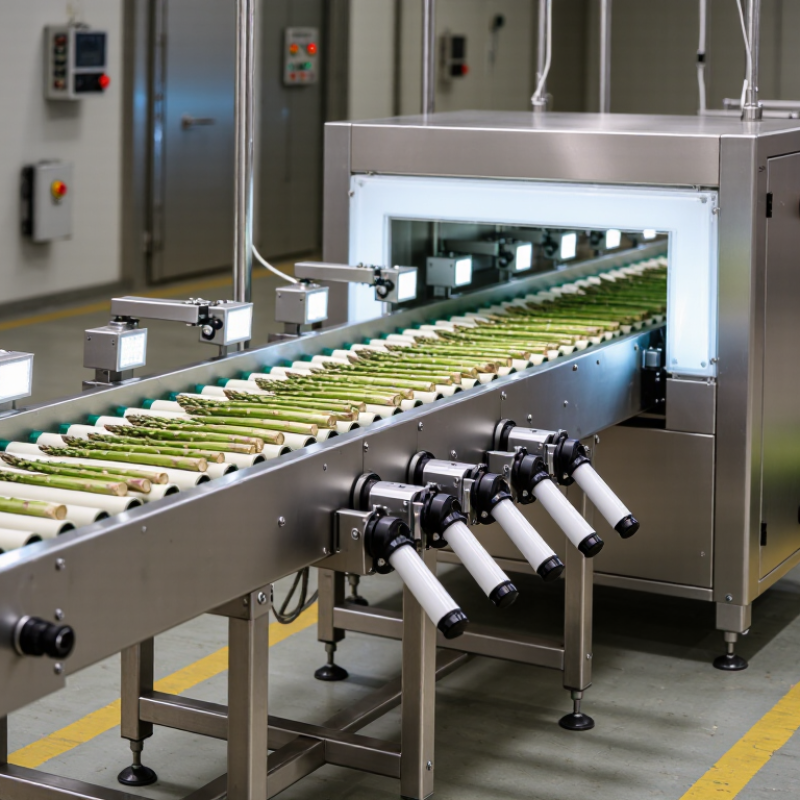
Choosing an Asparagus Optical Sorter is a practical decision about quality, labor, and process consistency. Fresh asparagus arrives with different lengths, curved tips, woody stems, soil marks, and occasional bruising. Human inspectors can identify many defects, but fatigue may change decisions during a long shift. An optical sorter uses cameras, controlled lighting, software, and air-ejection nozzles to inspect each spear at production speed.

Asparagus-processing engineer Dr. Elena Marquez explains, “Reliable sorting begins with accurate product data, not impressive machine speed.” That point deserves attention. A sorter should be tested with the processor’s actual asparagus varieties, moisture levels, packaging requirements, and defect types. Laboratory images cannot fully represent a wet harvest arriving after transport. Real samples matter.

The strongest systems can separate acceptable spears from discoloration, broken tips, foreign material, and unusual shapes. They may also support size grading and improve packhouse traceability. A clean inspection chamber, stable lighting, and simple calibration routines are equally important. Software alone cannot repair poor product presentation.

There is no perfect machine. Small defects may overlap with natural color variation. Excessive sensitivity can create unnecessary waste, while weak sensitivity can reduce customer confidence. Buyers should compare detection accuracy, false-reject rates, throughput, cleaning access, service response, and operator training. A well-designed Asparagus Optical Sorter can reduce repetitive inspection and protect consistent product quality. Its value becomes clear when measured across an entire season, not during one successful demonstration.
Why Choose an Asparagus Optical Sorter?

What Is an Asparagus Optical Sorter?

An asparagus optical sorter is an automated inspection system that examines each spear before packing. Cameras capture color, shape, diameter, tip condition, and surface defects. Some systems also use near-infrared sensing to detect differences that ordinary lighting may miss. Software then compares each spear with programmed quality criteria. Air jets or mechanical gates separate acceptable and defective pieces within milliseconds.

The process matters because asparagus quality can change quickly after harvest. FAOSTAT crop data for 2022 places global asparagus production above 10 million tonnes, with China supplying the largest share. At this scale, manual inspection alone can create inconsistent decisions and slow production. A sorter helps identify brown tips, bruises, hollow stems, foreign material, and uneven lengths. It can also grade spears by diameter for more consistent retail packs.

The technology is useful, but it is not a magic box. Poor lighting, wet surfaces, or incorrect settings may cause false rejects. Operators still need practical experience and regular calibration. The FAO’s State of Food and Agriculture report estimates that 14% of food is lost between harvest and retail. Better sorting may reduce avoidable losses, especially when damaged spears are removed before they affect nearby produce. However, every facility should validate results with real harvest samples, not only laboratory tests. A clean spear is not always a perfect spear. Temperature, handling, and storage still influence its final quality.

How Does Asparagus Optical Sorting Work?

Why Choose an Asparagus Optical Sorter?

How Does Asparagus Optical Sorting Work?

Asparagus optical sorting begins with controlled feeding. Spears move across a conveyor in separated lanes. Cameras capture color, shape, diameter, and visible surface defects. Near-infrared sensors can identify differences that ordinary cameras may miss. Software compares each spear with programmed quality limits. Precise air jets then remove discolored, damaged, woody, or misshapen pieces.

The process supports standards described by the USDA Agricultural Marketing Service, including color, tip condition, and allowable defects. It also responds to a wider industry problem. The FAO’s 2019 State of Food and Agriculture report estimated that 14% of food is lost between harvest and wholesale. Better sorting can reduce unnecessary handling and protect more usable asparagus.

It is not magic.

Sorting accuracy depends on lighting, belt speed, product spacing, and calibration. Wet spears may reflect light differently. Small tip damage can also confuse the system. Operators should review rejected samples regularly, not trust software blindly. A 2024 UNEP report estimated 1.05 billion tonnes of food were wasted in 2022 across retail, food service, and households. Optical sorting cannot solve every loss, but it can make quality decisions faster and more consistent. The missed piece still happens. That gap deserves attention.

Why Choose an Asparagus Optical Sorter?

Optical sorting uses cameras and image-processing algorithms to inspect asparagus spears at high speed. It can identify differences in color, shape, diameter, broken tips, foreign material, and visible defects before targeted air jets remove unwanted pieces.

The chart shows reference composition values for raw asparagus per 100 g. High water content and delicate spear structure make consistent handling and rapid, non-contact visual inspection valuable during grading and packing. Nutrient values are reference data and are not measured directly by the optical sorter.

Which Quality Defects Can It Detect?

Why Choose an Asparagus Optical Sorter?

An asparagus optical sorter checks each spear as it moves along a controlled conveyor. Cameras and sensors inspect color, shape, size, and surface condition. This process can identify brown tips, purple discoloration, bruises, open heads, and excessive curvature. It can also detect spears with soil marks, fibrous ends, or visible foreign material. These defects may reduce shelf appeal or create grading inconsistencies.

Small defects matter. A darkened tip can signal aging. A split spear may lose moisture quickly. Uneven lengths can complicate packing and cooking instructions. Optical sorting helps separate these items before final packaging. It also reduces repetitive manual inspection, while trained staff can review uncertain cases. In practice, results depend on lighting, calibration, product speed, and asparagus variety. No system is perfect. Some hidden internal damage remains difficult to detect.

Tips: Keep lenses clean and inspect rejected spears daily. Adjust settings when harvest conditions change. Record recurring defects, such as soft tips after rain. Use sample checks to compare machine decisions with experienced graders. This feedback improves consistency, but it may expose weak assumptions in the grading plan. A sorter should support quality teams, not replace their judgment.

What Are the Main Benefits for Processors?

Why Choose an Asparagus Optical Sorter?

What Are the Main Benefits for Processors?

An asparagus optical sorter helps processors remove inconsistent spears at high line speeds. Cameras inspect color, shape, size, and visible surface damage. This reduces manual checking and supports more stable product grading. Workers can then focus on machine monitoring and quality decisions. In daily production, fewer rejected good spears can improve usable yield. The result is not automatic perfection, though. Poor lighting, wet surfaces, or irregular cuts can still affect accuracy.

Processors also gain more consistent standards between shifts. A sorter can identify pale, bruised, broken, or misshapen asparagus before packing. This protects presentation quality and reduces complaints linked to mixed grades. Digital inspection records may reveal recurring issues, such as trimming errors or uneven harvesting. Those details support practical adjustments in farming and processing. However, results depend on correct calibration, regular cleaning, and trained operators. Ignoring these tasks can quietly reduce performance.

Tips: Test the sorter with real seasonal asparagus before full production. Include clean, damaged, thin, and unusually shaped spears. Review false rejects every day. Small errors matter. Set acceptance limits with buyers and quality staff, not speed targets alone. Keep lenses clean, especially when juice or moisture reaches the inspection area. A short weekly review can prevent larger yield losses.

Why Choose an Asparagus Optical Sorter? - What Are the Main Benefits for Processors?

Performance Dimension Typical Manual or Basic Mechanical Sorting Optical Sorting Capability Processor Benefit
Sorting consistency Results can vary with operator fatigue, lighting, and workload. Uses programmed image-analysis rules to inspect products continuously under controlled lighting. More uniform quality decisions across shifts and production batches.
Defect detection Primarily depends on visual inspection and defined manual checkpoints. Can identify visible color, shape, size, bruising, decay, foreign material, and other programmed defects. Helps remove off-grade asparagus before packing or further processing.
Throughput Capacity is limited by the number of inspectors and line arrangement. Designed for continuous, high-speed inspection on automated conveying lines; actual capacity depends on product size, spacing, and machine configuration. Supports higher line utilization without adding the same number of inspection stations.
Labor requirements Requires continuous personnel for inspection, removal, and rechecking. Automates the inspection and air-ejection steps, while operators monitor, adjust, and maintain the system. Reduces repetitive manual inspection work and improves labor allocation.
Product yield Broad visual decisions may lead to inconsistent removal of borderline products. Sorting thresholds can be adjusted by grade, defect type, color, length, or diameter where the system supports those measurements. Allows processors to balance defect removal with recovery of acceptable product.
Foreign-material control Detection depends mainly on employee attention and the visibility of the material. Camera-based systems can detect selected contrasting foreign materials; specialized multispectral or X-ray equipment may be required for concealed or low-contrast contaminants. Adds an automated control point, but should complement approved food-safety procedures.
Traceability and process control Records are often limited to manual checks and periodic quality samples. Many systems can store inspection settings, defect counts, images, alarms, or production statistics when connected to plant controls. Provides data for identifying field, supplier, handling, or process-related quality trends.
Hygiene and product handling More direct human contact may occur during inspection and product removal. Inspects and diverts products without requiring workers to handle every individual spear. Can reduce unnecessary handling and support hygienic line design.
Changeover flexibility Changing grades or product specifications requires retraining and manual adjustment. Digital recipes and adjustable inspection parameters can be selected for different grades, sizes, and quality standards. Makes it easier to manage seasonal products and multiple customer specifications.

Note: Actual sorting accuracy, throughput, labor savings, and return on investment vary according to asparagus variety, presentation, line speed, defect definitions, product condition, camera technology, and plant operating practices.

How Should Businesses Choose the Right Sorter?

Why Choose an Asparagus Optical Sorter?

How Should Businesses Choose the Right Sorter?

An asparagus optical sorter can remove discolored, misshapen, and damaged spears at high speed. Yet the machine must match the actual crop and packing line. Choosing the right sorter starts with product evidence, not attractive specifications.

Start with daily throughput, spear lengths, diameters, and moisture levels. Ask how many grades the business needs. Record defects found during harvesting, washing, trimming, and storage. These details reveal whether the sorter needs color cameras, shape analysis, or both. A unit designed for thin green spears may perform poorly with thick, pale varieties.

Throughput matters, but accuracy matters more. Excessive rejection can reduce saleable yield. Missed defects can affect customer trust. Operators should request test sorting with their own asparagus samples. Do not rely on laboratory images. Real samples vary.

Lighting changes the results. Run tests during different shifts, especially near reflective metal surfaces. Compare good product losses with true defect removal. One overlooked issue is cleaning access. Food residue can collect around belts and sensors. Maintenance should be simple and safe.

I have seen businesses focus on purchase price and underestimate training, calibration, and spare parts. That mistake becomes expensive. Check local technical support, software updates, inspection records, and warranty terms. Review data access, too. Useful reports can reveal recurring field problems and improve harvesting practices. A small trial may expose weaknesses that a sales demonstration hides.