Top 10 Benefits of Using Automatic Valves for Your Business?
In today's industrial landscape, the adoption of automatic valves has revolutionized process control. Renowned expert Dr. Jane Thompson, a leading authority in fluid dynamics, states, “Automatic valves can vastly improve efficiency and reduce operational costs.” This insight highlights the value these devices bring to various sectors, including manufacturing and water treatment.
Implementing automatic valves can lead to significant operational enhancements. They provide precise control over fluid flow, ensuring systems run smoothly and efficiently. For instance, in a manufacturing plant, a malfunctioning valve can halt production. Automatic valves minimize such risks, allowing for seamless operations and reduced downtime.
However, not all companies fully realize the potential of automatic valves. Some still rely on manual systems, missing out on efficiency gains. Investing in these advanced technologies requires careful consideration and training. Ultimately, understanding the advantages of automatic valves is essential for businesses aiming to enhance their performance while staying competitive in the market.

Advantages of Automatic Valves in Industrial Operations
Automatic valves are becoming essential in modern industrial operations. These devices provide precise control over fluid flows. With their ability to respond quickly, they enhance system efficiency. The automation aspect reduces human error, leading to safer environments. Workers can focus on other critical tasks instead of manually adjusting valves.
The reliability of automatic valves is noteworthy. They operate consistently in various conditions, which minimizes downtime. For instance, in a manufacturing plant, these valves can maintain optimal pressure and temperature. They adapt quickly to changing needs, ensuring productivity isn't compromised. However, it’s important to regularly inspect these systems. Wear and tear can affect performance, requiring timely maintenance to avoid costly repairs.
Energy savings is another advantage. Automatic valves optimize usage, lowering energy consumption. This shift not only reduces costs but also aligns with sustainability goals. However, users must ensure proper installation. Misalignment can lead to inefficiencies. Regular training and updates for staff can help in understanding valve operations better. The continual improvement of operational practices is crucial for maximizing benefits.
Top 10 Benefits of Using Automatic Valves for Your Business
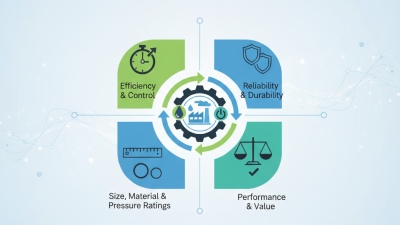
This chart illustrates the top 10 benefits of using automatic valves in industrial operations. The scores represent the perceived advantages based on various operational aspects, highlighting how automatic valves can enhance efficiency, safety, and overall effectiveness in business processes.
Improved Efficiency and Reduced Labor Costs with Automation
Automatic valves offer significant improvements in operational efficiency. By integrating these devices, businesses can streamline fluid control processes. This automation greatly reduces the need for manual monitoring and adjustments. Consequently, labor costs decrease as fewer staff members are needed for oversight.
Moreover, automatic valves maintain consistent performance, leading to fewer errors. Manual operation often introduces variability, which can impact quality. Such variability is eliminated with automation. However, businesses must invest in proper training for staff to manage and maintain these systems effectively. This ensures that the transition to automation is seamless.
Despite their advantages, automatic valves can be complex. Businesses may encounter challenges during installation and integration. It’s essential to analyze specific needs before adopting this technology. Embracing automation is a step toward progress, but reflection on these challenges is critical for long-term success.
Enhanced Control and Precision in Fluid Management
Automatic valves play a crucial role in fluid management, particularly when it comes to enhancing control and precision. These valves offer businesses the ability to regulate fluid flow accurately. This is vital in industries such as manufacturing and water treatment. As production demands fluctuate, automatic valves adjust seamlessly, providing the right amount of fluid at the right time.
Precision is key in fluid management. With automatic valves, errors caused by manual operation are significantly reduced. This leads to consistent quality and efficiency in processes. However, there is a learning curve. Ensuring that staff understands how these systems function can be challenging. Regular training sessions can help bridge that gap.
Moreover, the incorporation of automatic valves can require an initial investment. Companies need to evaluate their budget and workflow needs before implementing them. Despite this, the long-term benefits often outweigh these initial hurdles. Enhanced control translates to cost savings through reduced waste and improved operational efficiency. Embracing new technologies is essential, but it is equally important to reflect on the potential challenges and ensure smooth integration into existing systems.
Top 10 Benefits of Using Automatic Valves for Your Business
| Benefit |
Description |
Impact |
| Enhanced Control |
Automatic valves provide precise control over fluid flow and pressure. |
Improved process efficiency and reliability. |
| Increased Safety |
Reduces the risk of human error in hazardous environments. |
Lower accident rates and enhanced workplace safety. |
| Energy Efficiency |
Optimizes energy usage by managing flow rates effectively. |
Reduced operating costs and lower environmental impact. |
| Consistency |
Maintains consistent fluid dynamics without fluctuation. |
Better product quality and process reliability. |
| Remote Operation |
Allows for remote control and monitoring of fluid systems. |
Increased operational flexibility and convenience. |
| Reduced Labor Costs |
Lowers the need for manual intervention and inspections. |
Cost savings through reduced workforce requirements. |
| Durability |
Designed to withstand harsh operating conditions. |
Lower maintenance costs and longer service life. |
| Data Collection |
Automatically collect data on fluid usage and system performance. |
Informed decision-making and improved system management. |
| Scalability |
Easily integrated into existing systems for expansion. |
Flexibility for future business growth. |
| Environmental Compliance |
Helps industries meet environmental regulations. |
Enhanced reputation and reduced legal risks. |
Increased Safety Standards and Risk Mitigation
Automatic valves play a crucial role in ensuring safety within various industrial operations. By automating valve control, businesses can significantly reduce the risk of human error. Human factors often contribute to accidents, especially in high-pressure environments. Automatic valves minimize reliance on manual operations, which are prone to oversight.
These valves also enhance monitoring capabilities. Many automatic valves come equipped with sensors. These sensors provide real-time data about pressure and flow rates. This information allows for swift responses to potential hazards, thereby increasing safety standards. Moreover, automatic valves allow for remote operation, reducing the need for personnel to be present in dangerous areas.
While automatic valves improve safety, it's essential to recognize their limitations. Regular maintenance is necessary to ensure they function correctly. Neglecting this can lead to failures that may compromise safety. Companies must also train staff on how to manage these systems effectively, as any gaps in understanding can pose risks. Overall, the integration of automatic valves requires a thoughtful approach to reap their full safety benefits.
Long-term Cost Savings and Maintenance Benefits of Automatic Valves
Automatic valves offer substantial long-term cost savings that can elevate operational efficiency in various industries. These valves can minimize labor costs since they operate automatically. With reduced manual intervention, businesses can allocate resources to other critical functions. Additionally, automatic valves enhance energy efficiency, leading to lower utility bills.
Maintenance benefits are equally significant. Automatic valves typically require less frequent servicing compared to manual counterparts. This feature can cut down on maintenance hours, which translates into financial savings. However, some installations may still encounter challenges during initial setup, leading to potential downtime.
Regular assessment of valve performance is essential for identifying issues early. The predictive maintenance capabilities of automatic valves offer added reliability. Businesses can implement smart sensors to monitor valve conditions in real-time. This proactive approach helps prevent unexpected failures.
Still, integrating such technologies requires upfront investment and commitment. It’s critical to balance initial costs with long-term benefits for effective business operations.