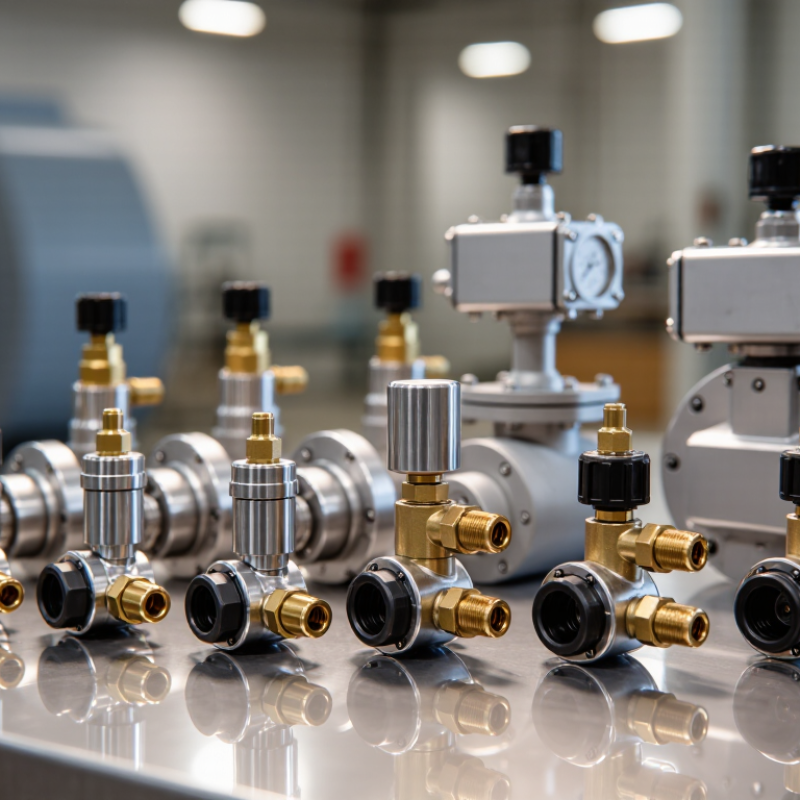
Selecting the right China pneumatic control valve supplier requires more than comparing quotations. MarketsandMarkets’ 2024 industry report estimates the global pneumatic control valve market at roughly USD 8 billion in 2023, with growth near 6% annually through 2028. That expansion attracts capable factories and inexperienced traders. Buyers should verify production depth, not only online presentation.
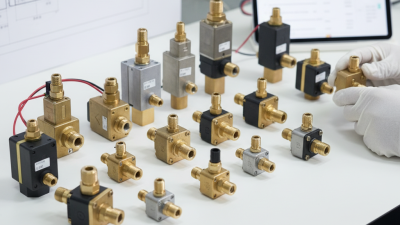
Request ISO 9001 records, material certificates, pressure-test reports, and recent inspection data. Confirm whether the supplier controls machining, assembly, calibration, and final testing internally. Ask for a sample valve and examine its actuator response, leakage rate, surface finish, and labeling.
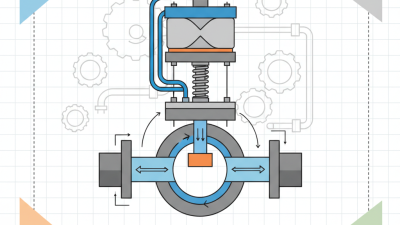
Test it cold. Small details matter. A supplier should provide measurable figures, such as response time, allowable temperature, air consumption, and service life. These specifications must match the actual application, including corrosive media, cycling frequency, pressure range, and local maintenance skills.
A 2024 analysis by Grand View Research also indicates steady growth in industrial valve demand, but market definitions differ between reports. Buyers should treat forecasts as direction, not proof. Factory audits remain valuable. Check calibration equipment, traceability records, spare-parts availability, and corrective-action procedures.
A low price may hide weaker alloys or inconsistent seals. One practical mistake is trusting a perfect sample without checking batch consistency. Request three production samples instead.
Review the contract carefully, including inspection rights, warranty limits, delivery tolerances, and technical-document requirements. Good communication is useful, but documented evidence is safer.