How to Choose the Right High Pressure Solenoid Valves?
Choosing the right high pressure solenoid valves is crucial for efficient system operations. Experts emphasize the importance of selecting the right components. According to Dr. Emily Carter, a renowned engineer in fluid dynamics, "The performance of high pressure systems heavily relies on the accuracy of solenoid valves." This statement highlights the significant role these valves play in various applications.
High pressure solenoid valves control fluid flow under extreme conditions. Understanding how to choose them correctly can prevent setbacks. There are various factors to consider, including pressure ratings and material compatibility. These decisions can greatly affect system reliability.
In this dynamic industry, expertise is key. Not every valve suits every situation. Misjudgments can lead to failures or inefficiencies. Careful evaluation helps minimize these risks.
Understanding High Pressure Solenoid Valves and Their Applications
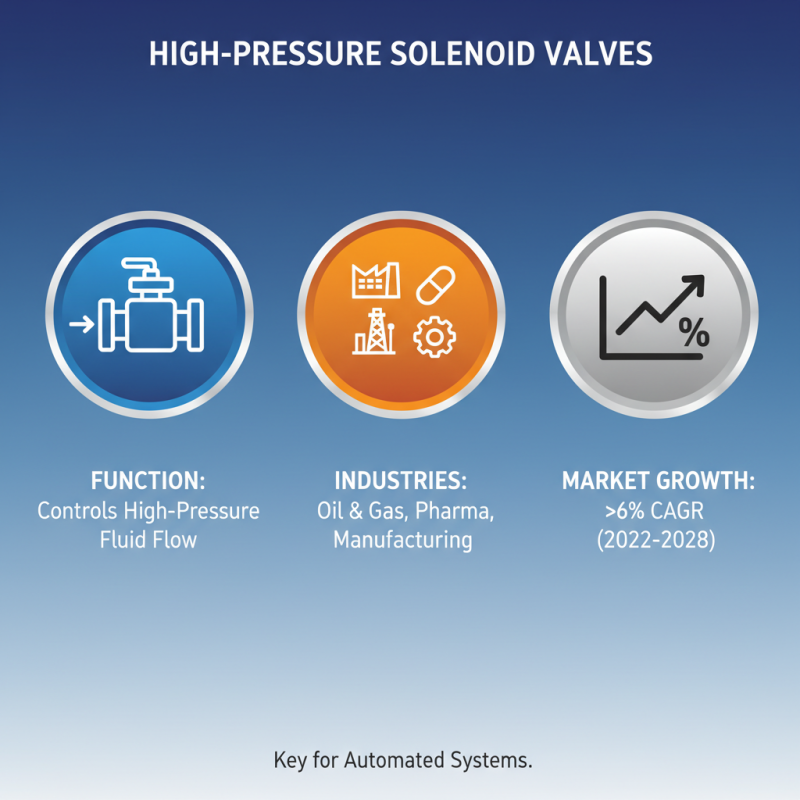
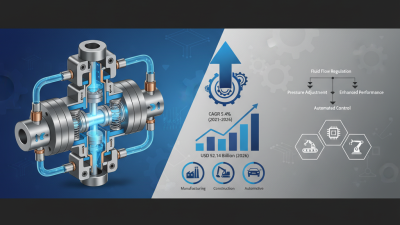
High pressure solenoid valves play a crucial role in various industrial applications. Their primary function is to control the flow of fluids under high pressure conditions. These valves are widely used in industries such as oil and gas, pharmaceuticals, and manufacturing. According to a recent market report, the global high pressure solenoid valve market is expected to grow at a CAGR of over 6% from 2022 to 2028. This growth reflects their expanding use in automated systems.
Understanding the specific application is vital when choosing the right valve. For example, factors like temperature range, pressure limits, and fluid compatibility are crucial. Some applications may require valves that can handle more aggressive fluids or extreme temperatures. The wrong choice can lead to failure, downtime, or safety hazards. Industry data suggests that nearly 30% of application issues stem from improper valve selection.
Moreover, the reliability of the valve is paramount. A valve's lifespan can vary based on material selection and operating conditions. Many manufacturers recommend regular maintenance to ensure longevity. One study indicated that poorly maintained valves lead to a 15% reduction in system efficiency. Thus, understanding both the technical specifications and maintenance needs is essential for optimal performance.
Key Factors to Consider When Selecting High Pressure Solenoid Valves
Choosing the right high-pressure solenoid valves involves several key factors.
Firstly, you must consider the valve’s pressure rating. According to industry reports, valves often operate in environments exceeding
150 PSI. Selecting a valve rated for higher pressures ensures reliability and safety.
Another factor is the valve’s materials. High-pressure applications require materials that resist corrosion and wear.
Stainless steel and brass are common choices.
Be cautious, as incompatible materials can lead to failure and increased maintenance costs.
Tip: Always review the technical specifications of the valve.
Pay attention to compatibility with your system's fluids.
You should also assess the valve’s response time. A report from the National Institute of Standards and Technology states that slower response
times can lead to inefficient system operation. This is particularly important in applications that demand precision.
Tip: Test valves in real-world conditions whenever possible.
Performance can vary significantly from lab tests.
Finally, think about the power requirements. Low power consumption valves can reduce energy costs.
Analyze the overall system layout for the best integration.
Material Compatibility: Choosing the Right Materials for Your Valves
Selecting the right materials for high-pressure solenoid valves is crucial for ensuring performance and durability. The compatibility of valve materials with the media they handle directly affects their lifespan. A report by the International Society of Automation notes that improper material selection can shorten valve life by up to 60%. This statistic underlines the importance of careful consideration in material choices.
Common materials for solenoid valves include brass, stainless steel, and various plastics. Brass is often favored for its cost-effectiveness and strength, yet it may corrode in certain chemical environments. Stainless steel provides higher corrosion resistance, making it suitable for harsher applications. However, its cost is significantly higher. Plastics can be lightweight and resistant to specific chemicals, but they may not hold up under extreme pressures. A balance must be found based on the application.
End-users should consider the specific conditions where the valves will operate. The pressures and temperatures of the environment, as well as the media's chemical composition, must be reviewed. In many cases, industry professionals overlook these factors, resulting in premature valve failures. Understanding these dynamics leads to more reliable operations and reduced maintenance costs. This focus on material compatibility is essential for anyone involved in valve system design.
Material Compatibility for High Pressure Solenoid Valves
This chart illustrates the compatibility of various materials commonly used in high pressure solenoid valves with different types of fluids. It highlights the performance of materials such as Brass, Stainless Steel, and PVC in contact with common fluids like Water, Oil, and Gas.
Pressure Ratings and Specifications: Ensuring Optimal Performance
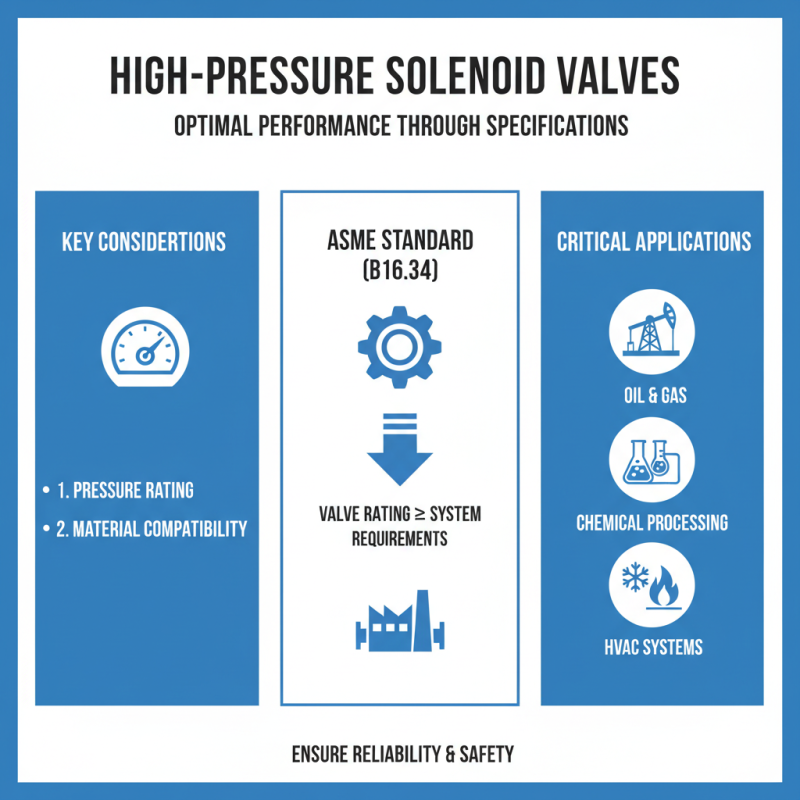
Choosing the right high-pressure solenoid valves involves understanding pressure ratings and specifications. These parameters are crucial for ensuring optimal performance. The American Society of Mechanical Engineers (ASME) states that the valve's pressure rating must meet or exceed system requirements, often seen in critical applications such as oil and gas, chemical processing, and HVAC systems.
Reports indicate that 25% of valve failures are attributed to incorrect pressure ratings. This highlights the importance of matching the valve's specifications to the operating conditions. For example, if a valve is rated for 150 PSI but operates at 250 PSI, it risks catastrophic failure. Properly assessing material compatibility, temperature ranges, and flow characteristics is essential for reliability.
The importance of precise specifications cannot be overstated. A mismatch can lead to not only downtime but also costly repairs. Proper installation and adherence to design specifications are necessary. Continuous assessment and adjustment of pressure ratings based on operational feedback may prevent future issues. Remember, precision matters in high-pressure applications; every detail counts.
Maintenance Tips for Longevity of High Pressure Solenoid Valves
Maintaining high pressure solenoid valves is crucial for their longevity and performance. Regular inspection is vital.
Check for leaks or signs of wear. Early identification can prevent major failures. Keep the valve surfaces clean to avoid dust accumulation.
Contaminants can impede operation and damage components.
Lubrication is another important factor. Use manufacturer-recommended lubricants to ensure smooth functioning.
Over-lubrication can also cause issues, so moderation is key. Schedule routine maintenance every few months.
This includes testing the valve's responsiveness and functionality.
It might seem tedious but is critical for long-term efficiency.
Environmental factors play a significant role in the valve's lifespan. Ensure valves are installed where temperature
and pressure conditions remain stable. Extreme conditions can lead to premature wear.
Reflecting on these details often uncovers areas for improvement in your maintenance routine.
Regular training for maintenance personnel can also enhance their understanding of valve technology.
This proactive approach fosters reliability in your operations.