What is a Low Pressure Check Valve and How Does It Work?
In various industries, the performance of fluid systems relies heavily on components like the low pressure check valve. This essential device ensures that fluids flow in one direction while preventing backflow, significantly enhancing system efficiency. According to a report by the International Society for Fluid Mechanics, improper flow can cause significant operational disruptions, leading to losses of up to 30% in some applications.
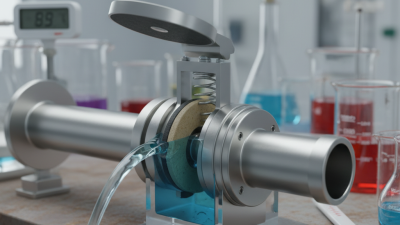
The low pressure check valve operates by utilizing a simple yet effective mechanism. When the pressure rises, it opens, allowing fluid to pass through. Conversely, when the pressure drops, it closes tight to prevent any reverse flow. This design is crucial in sectors ranging from water management to oil and gas, where maintaining accuracy is paramount.
However, it is vital to acknowledge potential challenges with low pressure check valves. Factors like sediment buildup and wear can compromise their functionality over time. Regular maintenance and inspection are essential to ensure longevity and reliability. Understanding these nuances is key for engineers and operators who rely on this critical component in their systems.
Definition of Low Pressure Check Valve and Its Importance
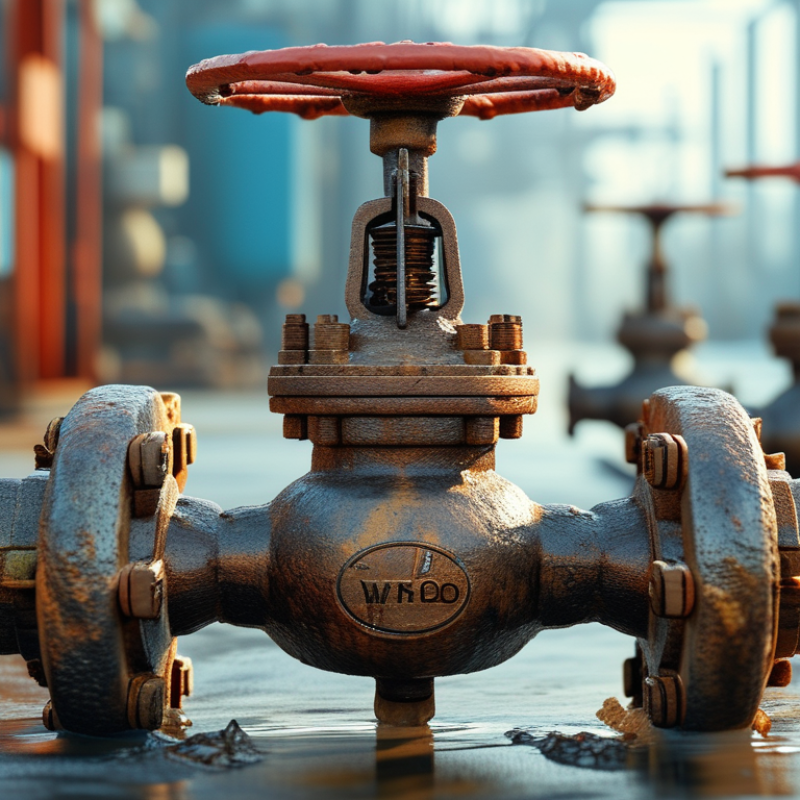
A low pressure check valve is a vital component in various fluid systems. It prevents reverse flow, ensuring that liquids or gases move in one direction only. This is especially important in systems where backflow can cause contamination or damage. The design of a low pressure check valve allows it to operate effectively at reduced pressure levels.
These valves are essential in industries such as water treatment and HVAC. They help maintain the integrity of the system, allowing for smooth operation. The mechanism relies on a simple yet effective principle: a disc or ball closes off the flow when pressure decreases or reverses. This feature protects pumps and prevents leaks.
However, not all low pressure check valves are created equal. Their effectiveness can be influenced by factors such as material choice and design. Selecting the right valve for a specific application is crucial. Those new to this technology may find it challenging to navigate the options available. Engaging with experts or conducting thorough research can enhance decision-making.
Mechanism of Operation: How Low Pressure Check Valves Function
Low pressure check valves play a crucial role in fluid systems. Understanding their mechanism of operation reveals how they maintain flow direction and prevent backflow. These valves are designed to operate at lower pressure levels, making them ideal for various applications.
When fluid flows through the valve, a disc or ball inside the mechanism opens, allowing movement. The design is simple yet effective. If the pressure drops or reverses, the valve closes tightly, safeguarding against potential leaks or damage. This ensures that the system remains efficient and functional, even under fluctuating conditions.
Regular maintenance is necessary to ensure reliability. Over time, debris or wear can affect performance. Inspecting the valve periodically helps identify any issues before they escalate. Users should also evaluate how the valve is integrated into the overall system. Each installation is unique, and understanding this can enhance performance.
Pressure Drops Across Low Pressure Check Valves
This bar chart illustrates the pressure drop across various low pressure check valves in psi (pounds per square inch). Each valve demonstrates a different level of pressure loss, showcasing how varying designs and mechanisms can affect fluid flow efficiency.
Applications and Industries Utilizing Low Pressure Check Valves
Low pressure check valves are essential in various industries. They ensure that flow continues in one direction while preventing backflow. Common applications include water treatment systems, HVAC systems, and fuel delivery networks. In water treatment, they help maintain pressure and prevent contamination. In HVAC systems, they ensure efficient operation, contributing to energy savings.
Moreover, low pressure check valves play a crucial role in manufacturing processes. They prevent backflow that could disrupt operations or damage equipment. In the food and beverage industry, these valves keep ingredients flowing smoothly and prevent spoilage. The oil and gas sector also relies on them to maintain stability in pipelines, reducing the risk of leaks.
Despite their importance, some industries face challenges with low pressure check valves. Improper installation or maintenance can lead to failures. Thus, regular checks and careful handling are vital. Understanding the specific requirements for each application can improve performance and reliability. Adapting technologies and designs is necessary to meet evolving industry demands.
Advantages and Limitations of Low Pressure Check Valves
Low pressure check valves play a crucial role in various fluid systems. They are designed to permit flow in one direction while preventing backflow. This simple mechanism is essential in applications like water supply and HVAC systems. However, their advantages and limitations are important to consider.
One key advantage is their reliability. They help maintain a constant flow and prevent contamination. By keeping the system free of backflow, these valves ensure efficiency. They are typically simple in design, which leads to lower maintenance needs. However, this simplicity can also be a limitation.
Low pressure check valves may struggle in high-demand situations. If the pressure drops too low, they may not seal properly. This can lead to unwanted backflow and system malfunctions. Users must consider the specific pressure requirements of their systems. Over time, factors like sediment buildup can also affect performance. Regular checks and maintenance are essential to avoid issues.
Maintenance and Troubleshooting for Low Pressure Check Valves
Low pressure check valves are crucial components in various systems. They ensure that fluid flows in one direction while preventing backflow. Maintaining these valves is essential for optimal performance. Regular inspections can prevent unexpected failures. It is important to check for leaks, wear, and damage.
When troubleshooting, start with simple observations. Look for any signs of corrosion or physical damage. A sticky valve can indicate debris or buildup. Clean the valve thoroughly to resolve this issue. Ensure that the spring is functioning properly; a weak spring may not hold the valve closed.
Consider the environment where the valve operates. External conditions can lead to deterioration. If the valve frequently malfunctions, think about whether it is the right fit for the system. An improperly sized valve may cause excessive strain, leading to frequent repairs. Implementing these practices can extend the life of low pressure check valves significantly.
What is a Low Pressure Check Valve and How Does It Work? - Maintenance and Troubleshooting for Low Pressure Check Valves
| Dimension |
Value |
Unit |
| Maximum Pressure |
10 |
psi |
| Material |
Brass |
N/A |
| Seat Diameter |
1.5 |
inches |
| Flow Rate |
15 |
GPM |
| Weight |
2 |
lbs |
| Operating Temperature |
-10 to 120 |
°F |