Choosing the best valve positioner in China starts with the control valve, not the catalog. The right device must match the actuator, input signal, air supply, and operating conditions. A mismatch can cause slow response, unstable movement, or unnecessary maintenance. Small details matter. Check the mounting arrangement, enclosure rating, communication protocol, and available diagnostics before comparing prices.
Process-control author Greg McMillan has written extensively about practical control-system performance. The following is a paraphrase of the selection principle his work supports, not a verbatim quotation: “Choose instrumentation for the behavior the process needs, then verify that it performs reliably in the real installation.” That distinction matters. A positioner that looks suitable on a specification sheet may behave differently when exposed to vibration, temperature changes, or frequent cycling.
For buyers sourcing in China, compare documented test results, product traceability, technical support, and spare-part availability. Ask suppliers how they verify calibration and response, and request evidence for the exact model being offered. A clear datasheet helps. So does a useful conversation with an engineer who understands your valve assembly. Price still counts, of course, but it should not carry the decision alone. This guide examines the practical checks that help narrow the options. Some trade-offs remain, and that deserves a second look.
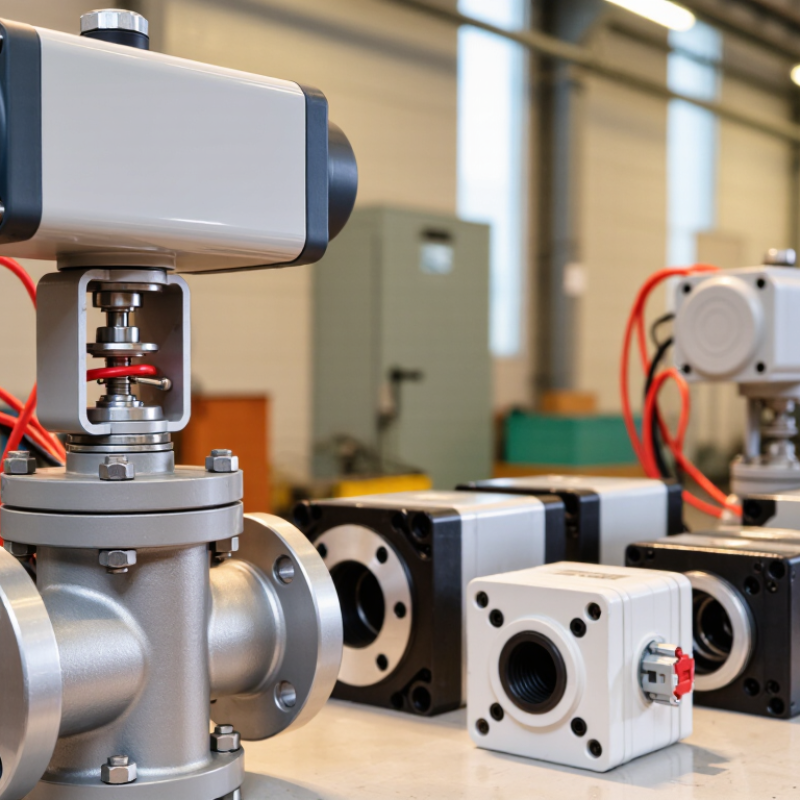
Valve positioners help a control valve follow the controller’s demand. Common types include pneumatic, electro-pneumatic, and digital positioners. Pneumatic models use air signals, while electro-pneumatic models convert an electrical command into pneumatic movement. Digital models add configuration and diagnostic functions, but they may require more setup. Match the type to the plant’s control system, air supply, and maintenance skills. Small details matter.
A 4–20 mA signal is an electrical current loop, often mapped from 0% to 100% valve travel. The 4 mA “live zero” helps distinguish a valid low command from some wiring faults. A 3–15 psi signal is pneumatic; typically, 3 psi represents 0% and 15 psi represents 100%. Confirm the actual range on the instrument data sheet, since older equipment or special configurations can differ. Do not confuse the command signal with the air supply pressure that moves the actuator. During commissioning, check wiring polarity, tubing leaks, and calibration against actual stem travel. I have seen signal ranges assumed rather than verified; that shortcut can leave a valve moving the wrong distance.
| Selection Dimension | Option or Signal | How It Works | Typical Use and Checks |
|---|---|---|---|
| Pneumatic positioner | Pneumatic input signal | Uses a pneumatic control signal to adjust actuator pressure and position the valve. | Suitable where a pneumatic control system is already installed. Confirm signal range, air quality, and actuator compatibility. |
| Electro-pneumatic positioner | Usually 4–20 mA input | Converts an electrical command into pneumatic output pressure for a pneumatic actuator. | Common in control systems with analog current outputs. Verify input impedance, supply-air requirements, and whether feedback is needed. |
| Digital positioner | 4–20 mA, often with a digital communication option | Uses electronic control and feedback to regulate valve travel; some models support configuration, diagnostics, or digital communication. | Useful when setup and diagnostic information are important. Confirm the communication protocol and host-system compatibility; availability varies by model. |
| 4–20 mA signal basics | 4 mA = 0%; 20 mA = 100% of configured travel | A current signal represents the requested valve position. The positioner is configured to map the signal span to the required travel span. | Check whether the input is two-wire or separately powered, the configured range, polarity, and control-system output limits. A live zero of 4 mA can help distinguish a valid zero command from a signal fault. |
| 3–15 psi signal basics | 3 psi = 0%; 15 psi = 100% of configured travel | A pneumatic command signal represents valve position across a 12 psi span. The positioner compares the command with travel feedback and adjusts actuator pressure. | Confirm the instrument signal range and available air supply. Signal pressure is not the same as actuator supply pressure, which may be higher and depends on the actuator and positioner specifications. |
| Actuator action | Single-acting or double-acting | Single-acting actuators use air in one direction and typically a spring for the return. Double-acting actuators use air to drive movement in both directions. | Match the positioner output arrangement to the actuator. Define the required fail position and confirm how the complete valve assembly behaves on loss of air or power. |
| Valve movement | Linear or rotary | Linear valves move along a stem; rotary valves turn through an angular range. Positioner mounting and travel feedback must suit the movement type. | Check the valve travel or rotation angle, mounting interface, linkage, and feedback mechanism before ordering. |
| Process and environment | Temperature, vibration, moisture, hazardous area, and corrosion exposure | Environmental conditions affect enclosure, materials, electrical approvals, and the reliability of the installed assembly. | Specify ambient and process conditions, ingress-protection needs, area classification, and any required approvals. Verify certifications for the exact configuration. |
| Final compatibility check | Positioner, actuator, valve, and control system | Correct selection depends on the combined assembly, not just the signal type. | Provide the valve type and travel, actuator model and action, required signal, supply air, mounting details, operating conditions, and communication needs when requesting a quotation. |
Note: Signal mapping, available features, and performance limits depend on the specific positioner configuration. Confirm settings and ratings against the manufacturer’s technical documentation.



©Copyright 2020 Gosco Valves. All rights reserved.