2026 Top Valve Vendors for Global Buyers
Choosing among valve vendors in 2026 takes more than comparing prices or browsing product catalogs. Buyers must match valve design, materials, pressure ratings, and control needs to the real conditions at the installation site. A stainless-steel ball valve may suit one process, while a lined diaphragm valve may better handle another. Details matter.
Quality expert W. Edwards Deming wrote, “Quality comes not from inspection, but from improvement of the production process.” His principle offers a useful lens for supplier evaluation. Look beyond polished brochures. Ask how manufacturers control production, document testing, trace materials, and respond when specifications change. Request evidence that fits the intended application, not generic assurances.
This guide to the 2026 top valve vendors for global buyers considers product range, engineering support, manufacturing capability, and service after delivery. It also highlights practical questions about lead times, customization, and technical documentation. These checks cannot guarantee a flawless purchase. Supplier information may be incomplete, and project needs can shift. That is worth remembering.
A strong shortlist begins with clear requirements: fluid, temperature, operating pressure, connection type, and expected duty cycle. Buyers should verify claims directly with each supplier and qualified project engineers. The right partner is not always the biggest name. It is the one whose capabilities match the job—and whose answers hold up under scrutiny.
Understanding Valve Types, Applications, and Global Market Scope
2026 Top Valve Vendors for Global Buyers
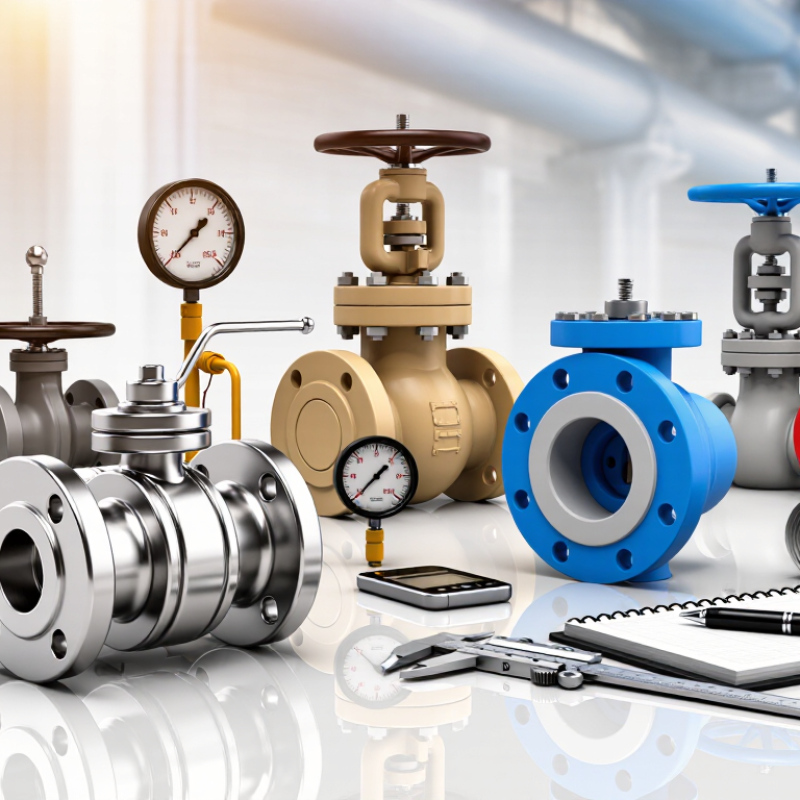
Understanding valve types begins with what the process must control. Gate valves isolate flow, while globe valves support throttling. Ball valves open or close quickly, and check valves help prevent reverse flow. These differences matter in a pump room, where pressure, temperature, fluid properties, and maintenance access shape the specification. A valve suitable for clean water may perform poorly with abrasive slurry. Small details count.
Applications span water treatment, power generation, oil and gas, chemicals, and building services. The choice is rarely just about nominal diameter. Buyers should assess pressure class, materials, sealing performance, actuation, and expected operating cycles. They should also check how replacement parts and technical support reach the installation site. Global supply chains can make that difficult.
The market is broad. Grand View Research estimated the global industrial valves market at about USD 78.4 billion in 2023, with a projected 4.8% compound annual growth rate from 2024 to 2030. Those figures provide context, not a purchasing forecast. Market categories and estimates vary by report, and regional demand can differ sharply. A specification that looks complete on paper may still miss local operating conditions. That deserves a second look.
How to Assess Valve Vendors for Quality, Capability, and Support
2026 Top Valve Vendors for Global Buyers
Choosing a valve vendor takes more than comparing unit prices. Start with the duty conditions: fluid type, pressure, temperature, operating cycles, and installation environment. Ask for material specifications, pressure test records, dimensional drawings, and traceable inspection documents. A technical discussion should cover failure risks, not just catalog options. Clear answers matter.
Review capability at the factory level. Check how the vendor controls casting or forging, machining tolerances, assembly, and final testing. Request sample inspection reports and confirm that production capacity matches your order schedule. If possible, inspect a finished valve and compare its markings and dimensions with the approved drawings. Small details reveal habits. One limitation: a factory visit shows only one moment, so verify records across several batches.
Tips: Send the same written specification to each vendor. Compare test methods, delivery terms, spare-parts availability, and response times—not just quoted prices. Ask who handles technical questions after shipment, and how quickly they provide replacement parts or troubleshooting guidance. Keep the questions specific; vague promises are hard to measure. A polished presentation helps, but it is not proof.
Comparing Leading Valve Suppliers Across Regions and Industries
Choosing a valve supplier means comparing more than catalogue size. Regional experience matters. A supplier serving coastal plants may understand salt exposure, while one focused on inland utilities may prioritize pressure stability and water service. Ask how materials, coatings, and testing procedures match the actual operating environment. Small details count.
Industry requirements differ just as sharply. Chemical processing often calls for careful material compatibility and documented inspection. Food production may place greater emphasis on cleanable surfaces and consistent sealing. Energy and water projects can prioritize pressure ratings, service life, and access to replacement parts. Compare suppliers using the same specifications, then review test records and product documentation rather than relying on broad claims.
Delivery and support deserve equal attention. A technically suitable valve is less useful if spare parts take weeks to arrive or service guidance is unclear. Check lead times, warranty terms, and the availability of trained support in the installation region. A factory visit or sample inspection can reveal workmanship that a datasheet cannot. Still, comparisons are rarely perfect: project conditions change, and supplier performance can vary between product lines. Keep a written evaluation, and revisit it when operating data becomes available.
2026 Top Valve Vendors for Global Buyers
Comparing leading valve suppliers across regions and industries starts with understanding the pressure class required for an application. This chart shows representative pressure–temperature ratings for ASME Class 150–2500 carbon-steel valves at 100°F (38°C), based on ASME B16.34 rating tables. Actual allowable pressure depends on material group, temperature, valve design, and applicable code requirements.
Ratings shown are representative, not universal limits or a supplier comparison. Confirm the applicable ASME B16.34 material group and operating conditions before specifying a valve.
Selecting a Valve Vendor for Project and Lifecycle Needs
Selecting a valve vendor begins with the project, not a catalogue. Define the fluid, pressure range, temperature, pipe size, and operating frequency before comparing quotations. A valve suited to clean water may perform poorly with abrasive slurry or frequent cycling. Ask vendors to explain material selection, pressure ratings, test procedures, and applicable documentation. Specific answers matter.
Check how the proposed valve fits the installation. Confirm face-to-face dimensions, connection type, actuator requirements, and available space for maintenance. Request drawings and review them against the piping layout; a small mismatch can delay commissioning. Ask about inspection records, traceability, spare-part availability, and delivery lead times. Test it.
Lifecycle support deserves equal attention. Clarify warranty terms, repair options, service response times, and whether replacement parts will remain available. For critical lines, discuss failure modes and practical isolation arrangements with the project’s engineering team. A low purchase price can become expensive if seals wear quickly or technical support is difficult to reach. Compare total ownership costs, but treat estimates cautiously: actual service life depends on operating conditions and maintenance quality. No vendor can remove every risk. A useful discussion should make those limits clear, not hide them behind confident promises.