Please upgrade your web browser now. Internet Explorer 6 is no longer supported.>

2026 Top Hydraulic Valve Body Suppliers for Global Buyers

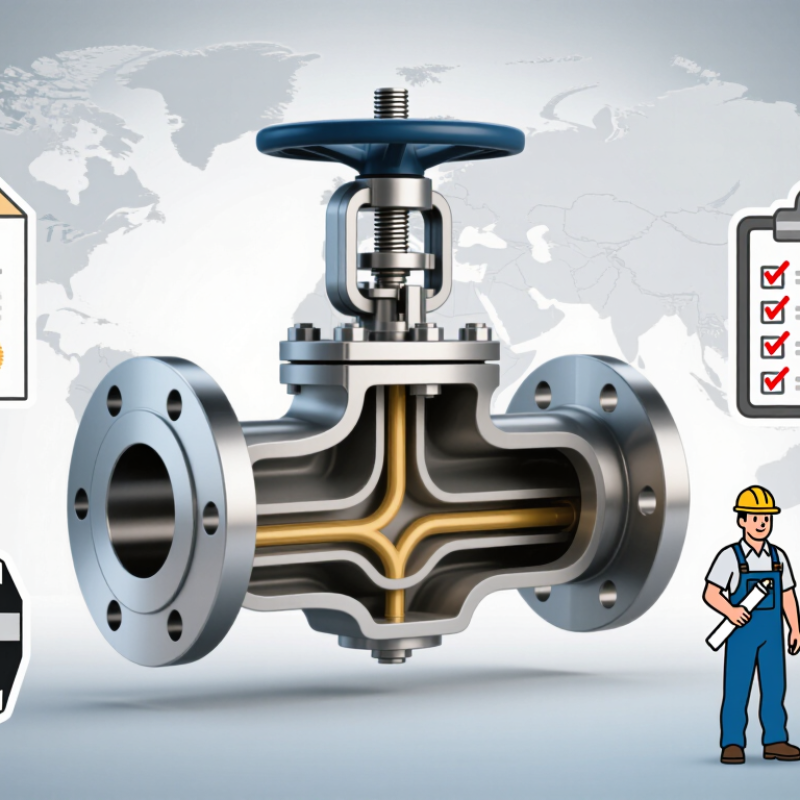
A hydraulic valve body may look like a compact block of metal, but its internal passages shape flow, pressure, and machine response. For global buyers, choosing a supplier means looking beyond price and polished product photos. Material certificates, machining consistency, pressure-test records, and clear communication all matter. Details matter.

A practical paraphrase of Anthony Esposito’s fluid-power guidance is: “Match the valve body to the circuit, pressure, and operating conditions—not merely the catalog description.” Esposito is known for his fluid-power engineering textbook, Fluid Power with Applications. This principle is useful when comparing suppliers serving mobile equipment, industrial machinery, and other hydraulic systems. Yet it does not replace application-specific engineering review.

This 2026 supplier guide examines manufacturers through practical buying criteria: product range, customization, quality controls, delivery capability, and technical support. Buyers should confirm port dimensions, material options, operating limits, and testing procedures before approving a design. Ask how suppliers handle drawing revisions and traceability, too. A confident sales answer is not the same as documented evidence. Supplier capabilities can vary by facility and order, and public information may not reveal every limitation. No ranking can settle every sourcing decision. Use the comparisons as a starting point, then verify critical specifications directly with each shortlisted supplier.
2026 Top Hydraulic Valve Body Suppliers for Global Buyers

What a Hydraulic Valve Body Is and How It Controls Fluid Power

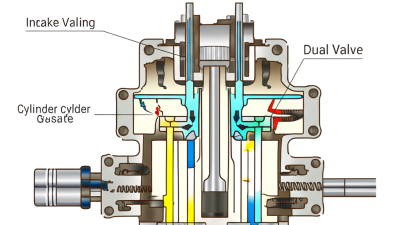
A hydraulic valve body is the machined block that routes pressurized oil between a pump, actuators, and tank. Internal galleries connect ports, while spools or poppets open, close, or meter those passages. A spool’s small movement can change cylinder speed; a blocked passage can redirect flow and raise pressure. Small passages matter. The body itself does not decide what a machine should do. Its geometry supports the control element, and the surrounding circuit determines how that control behaves.

ISO 4413:2010 sets system-level requirements for hydraulic safety and pressure control. Fluid cleanliness matters too: ISO 4406:2021 expresses particle contamination using three code numbers. For example, code 18/16/13 represents ranges of 1,300–2,500 particles per milliliter above 4 μm, 320–640 above 6 μm, and 40–80 above 14 μm. These are cleanliness classes, not universal acceptance limits; the right target depends on the components and operating conditions. In practice, scoring on a spool or a warm, noisy actuator may point toward contamination or flow restriction, but neither clue proves the cause. A clean schematic can still hide a difficult diagnosis.
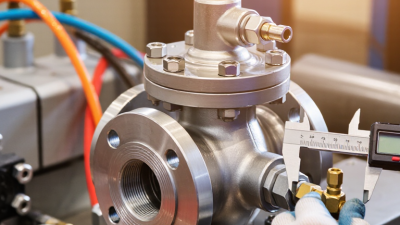
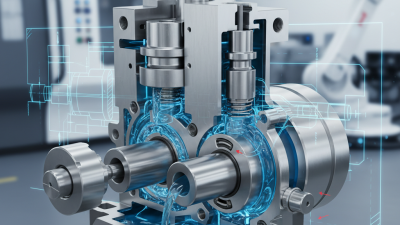
How a Hydraulic Valve Body Controls Fluid Power

A hydraulic valve body contains passages and ports that direct fluid between system components. Its internal openings influence flow and pressure: for a fixed opening, pressure drop rises as flow rate increases. The chart shows idealized estimates for oil with a density of 850 kg/m³ passing through a 10 mm circular opening, using a discharge coefficient of 0.62 and the standard orifice-flow equation. Values are calculated examples, not measurements from a specific valve.

Key Valve Body Types, Materials, and Manufacturing Processes

2026 Top Hydraulic Valve Body Suppliers for Global Buyers
Key Valve Body Types, Materials, and Manufacturing Processes

Valve bodies direct fluid through carefully shaped passages, so their design affects pressure control, leakage risk, and serviceability. Directional valve bodies may use spool bores and cross-drilled galleries. Monoblock designs combine several functions in one casting, while sectional bodies let buyers configure circuits in stages. Compact manifold blocks suit installations with limited space. Details matter.

Common materials include ductile iron for strength, aluminum for lower weight, and steel for demanding loads. The right choice depends on pressure, fluid compatibility, temperature, and mounting conditions. Manufacturers typically cast or forge the blank, then machine critical faces and bores with CNC equipment. Honing can improve spool-bore finish; deburring helps prevent loose particles from entering the hydraulic circuit. Heat treatment or protective coatings may be specified when service conditions require them. A drawing can look complete and still miss an awkward hose clearance. Review the assembly, not just the part.

Tips: Ask for material certificates, dimensional inspection records, and pressure-test criteria. Confirm port threads, surface finish, and cleanliness requirements before production. Request a sample when tolerances are critical. Small differences can matter.

How to Assess Hydraulic Valve Body Quality and Compatibility

A hydraulic valve body must match the machine, not just the catalog description. Check the port thread, mounting pattern, rated pressure, flow capacity, and spool dimensions against the existing assembly. A small mismatch can cause leaks, restricted flow, or difficult installation.

Looks can deceive. Inspect machined faces for burrs, scratches, and uneven sealing surfaces. Ask suppliers for dimensional inspection records and pressure-test documentation, then confirm test conditions match your operating range.

Cleanliness matters as much as casting quality. ISO 4406:2021 classifies hydraulic-fluid contamination using particle counts at 4, 6, and 14 μm(c). Request a cleanliness result for the supplied unit or its test fluid, and clarify the sampling method.

ISO 10771-1:2015 provides a test method for pressure-containing hydraulic components under cyclic pressure. Ask whether the body was tested to a relevant duty cycle, rather than accepting “pressure tested” without details.

Check material compatibility with the system fluid, operating temperature, and seal compounds. Ask for material and traceability records.

I still treat a polished finish as weak evidence on its own. A careful supplier should explain deviations and provide readable test records; if answers remain vague, compare another sample before approving production.

Leading Hydraulic Valve Body Suppliers for Global Buyers in 2026

Leading hydraulic valve body suppliers for global buyers in 2026 should prove capability with measurable production evidence, not broad promises. Grand View Research estimated the global hydraulic equipment market at USD 42.4 billion in 2023 and projected a 4.8% annual growth rate through 2030. This forecast signals demand, but it does not guarantee supplier quality. Details matter. Buyers should request material certificates, machining tolerances, pressure-test records, and sample inspection reports before approving production.

A valve body may look simple on a drawing, yet a small bore defect can cause leakage or unstable flow. Ask suppliers how they control internal passages, deburr cross-drilled ports, and verify cleanliness against the agreed specification. ISO 4406 provides a standard code for reporting fluid contamination levels; it can help buyers set clear cleanliness requirements. For international orders, confirm packaging protects machined surfaces from moisture and impact, and check that inspection documents match the shipped batch. Not always easy. Even experienced buyers can overlook communication delays or unclear revision control, so test both with a pilot order before scaling up.

2026 Top Hydraulic Valve Body Suppliers for Global Buyers - Leading Hydraulic Valve Body Suppliers for Global Buyers in 2026

An anonymous capability comparison for evaluating hydraulic valve body suppliers. The categories below describe common manufacturing specializations, not named or ranked companies; actual capabilities vary by supplier and should be confirmed during quotation and qualification.

Supplier Segment Typical Valve Body Products Common Materials and Processes Relevant Design and Quality Evidence Best-Fit Applications Buyer Checks Before Ordering
Standard manifold and block supplier Machined hydraulic manifolds, valve mounting blocks, and subplates for standardized valve arrangements. Common options include aluminum alloys, cast iron, and steel; production may combine sawing, drilling, CNC milling, and threaded-port machining. Dimensional drawings, material traceability where specified, inspection records, and confirmation of the applicable mounting interface. ISO 4401 defines mounting surface dimensions for certain directional control valves. Equipment using established valve interfaces and repeatable manifold layouts. Confirm port configuration, mounting pattern, thread type, working-pressure requirements, surface finish, and drawing revision.
Custom manifold engineering supplier Application-specific valve bodies with internal galleries, intersecting drillings, cartridge cavities, and custom port layouts. Typically machined from aluminum, steel, or cast iron stock or castings; complex designs may require multi-axis CNC machining and deburring. Design-for-manufacture review, controlled CAD and drawing revisions, inspection plans, and documented pressure or leakage test methods agreed for the project. Hydraulic systems requiring compact packaging, tailored circuit integration, or non-standard port locations. Request a cross-section or flow-path review, confirm cleaning and burr-control procedures, and agree acceptance criteria for pressure and leakage tests.
Cast valve housing supplier Valve housings and body blanks with shapes that are costly to produce entirely from solid stock. Casting routes may include sand or permanent-mold casting, followed by machining of ports, bores, and sealing faces. Material selection depends on load, pressure, fluid, and design requirements. Material specification, casting inspection requirements, machining capability, and traceability documentation as defined by the purchase specification. Higher-volume designs or housings with complex external geometry and subsequent precision-machined features. Clarify casting grade, allowable porosity criteria, machining allowances, inspection scope, and responsibility for tooling costs.
Mobile hydraulics valve block supplier Directional-control valve sections, inlet or outlet sections, and application-specific blocks used in mobile machinery circuits. Commonly produced from cast iron or steel, with machined spool bores, ports, and mounting surfaces; some designs use aluminum where suitable. Evidence should cover bore and interface inspection, cleanliness controls, functional test procedures, and compatibility with the specified hydraulic fluid and operating conditions. Agricultural, construction, material-handling, and other mobile equipment systems. Verify circuit function, flow and pressure limits against the equipment design, connection details, environmental requirements, and service-part availability.
High-pressure steel body supplier Steel valve bodies and blocks designed for applications with demanding pressure, fatigue, or mechanical-load requirements. Often machined from steel bar, billet, or forged stock; heat treatment or surface protection may be specified for particular designs. Material certificates when required, process controls, dimensional inspection, and pressure-test documentation tied to an agreed test specification. Industrial or mobile systems where the design calls for steel construction or higher mechanical robustness. Confirm the design pressure and test pressure separately, specify material and heat-treatment requirements, and review thread engagement and sealing details.
Prototype and low-volume machining supplier Prototype valve bodies, engineering samples, and short production runs machined from solid material. CNC machining from aluminum, steel, or cast iron stock can support design iterations without production casting tooling. First-article inspection, measurement reports for critical features, and clear configuration control between prototype and production drawings. Development programs, low-volume equipment, and designs awaiting validation before larger-scale production. Confirm achievable lead time, inspection coverage, material source, repeatability plan, and any design changes needed for production economics.

Qualification note: Pressure rating, flow capacity, material grade, dimensional tolerances, cleanliness level, and test acceptance limits are design- and specification-dependent; obtain these values from controlled drawings and supplier documentation rather than assuming a universal standard.

How to Compare Suppliers, Verify Compliance, and Plan Procurement

Choosing a hydraulic valve body supplier starts with the application, not a polished catalogue. Share operating pressure, fluid type, temperature range, port layout, and expected volume. Ask how the supplier controls casting quality, machining tolerances, and cleanliness. Request inspection records, material certificates, and pressure-test results linked to the proposed part number. A neat report is not enough.

Compare suppliers using the same drawing revision and acceptance criteria. Check whether quoted lead times include tooling, sample approval, and packaging. Verify quality certificates with the issuing body, including the covered site and processes. For destination-specific requirements, request current declarations and test evidence. One certificate may not fit every market. I would not treat a complete document pack as proof of stable production. Ask how recurring defects are investigated and corrected.

Tips: Place a pilot order before committing forecast volume. Define inspection points, approved material substitutions, change-notice periods, and spare-part expectations in writing. Keep a second-source plan for critical parts. It may add cost, but supply risk is easy to underestimate.