Choosing a low pressure check valve in 2026 requires more than comparing connection sizes or catalog prices. The real question is simple: will the valve open reliably at low differential pressure, then stop reverse flow without damaging the system?
Fortune Business Insights valued the global industrial valves market at approximately USD 78.7 billion in 2023. Its report expects continued growth through 2032, driven by water treatment, energy, chemical processing, and industrial automation. However, these figures cover industrial valves broadly. They do not represent the low pressure check valve segment alone. That distinction matters when evaluating market claims.
Emerson valve specialist Jim Cahill describes the basic purpose clearly: “A check valve allows flow in one direction and prevents flow in the opposite direction.” This principle looks simple. Selection is not. A valve installed on a 1.5-inch water line may experience weak pump start-up, frequent cycling, or sudden pressure changes. Spring force, cracking pressure, body material, seal design, and installation angle can then determine success or failure.
This guide examines those practical details. It compares spring-loaded, swing, wafer, diaphragm, and ball designs for low-pressure service. It also considers pressure loss, leakage expectations, maintenance access, and fluid compatibility. Standards such as API 6D, ASME B16.34, and ISO 5208 may support the evaluation, depending on the application.
One uncomfortable point remains: no single valve design fits every system. A technically correct choice can still fail because of poor piping layout or oversized equipment. Real operating data beats assumptions. Always verify the supplier’s test results, pressure range, and installation requirements before purchase.
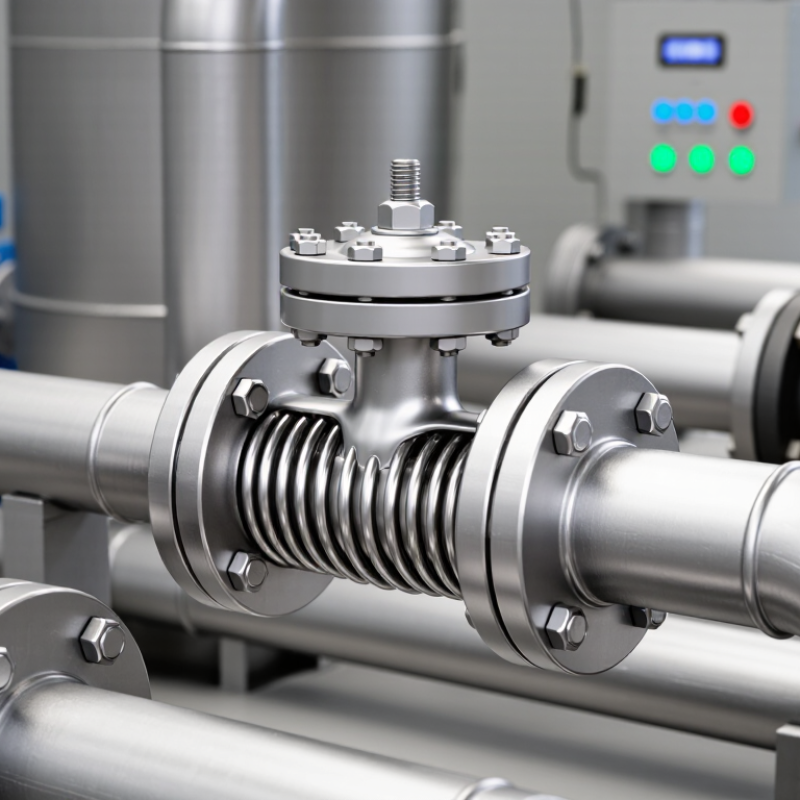
Choosing a low-pressure check valve in 2026 starts with understanding its operating principle. The valve permits flow in one direction and blocks reverse flow. It opens when inlet pressure exceeds cracking pressure. It closes when pressure falls or reverses.
Spring-loaded check valves use a spring to push the disc against its seat. They respond quickly and suit compact piping, dosing equipment, and water circuits. Swing check valves use a hinged disc and need enough flow to lift it. They create less pressure loss but may close slowly. Diaphragm check valves use a flexible membrane, making them useful for clean fluids and low-flow systems. Small pressure, big consequences.
Selection requires real operating data, not only catalogue ratings. Measure normal flow, peak pressure, fluid temperature, viscosity, and allowable reverse leakage. A valve with excessive cracking pressure can restrict a small pump. A weak spring may allow damaging backflow. Installation also matters. Keep the flow arrow aligned, provide straight pipe where possible, and avoid mounting a swing valve against its design position. I still verify closure during commissioning because field vibration can change performance. That step is easy to overlook. Seat material, body compatibility, and maintenance access deserve equal attention. A visually suitable valve can still fail when air pockets, particles, or pressure surges appear.
| Valve Type | Operating Principle | Typical Flow Path | Low-Pressure Considerations | Common Applications | Selection Checks |
|---|---|---|---|---|---|
| Swing check valve | A hinged disc swings away from the seat when forward flow pushes it open. Reverse flow moves the disc back onto the seat. | Generally straight-through, with the disc rotating inside the body. | Usually has low flow resistance when fully open. It may need sufficient forward flow to open fully, and a swinging disc can slam if flow reverses quickly. | Water lines, drainage systems, and larger-diameter pipelines with relatively steady flow. | Check installation orientation, available opening flow, reverse-flow speed, and the manufacturer’s permitted mounting positions. |
| Lift (piston) check valve | Forward pressure lifts a guided disc or piston off its seat. A spring or gravity returns it to the seat when forward pressure falls or flow reverses. | Flow is redirected through the valve body and around the lifted closure element. | Guided movement can provide reliable seating, but the design may create greater pressure loss than a full-bore swing valve. Spring force affects opening pressure. | Compact piping systems, pump discharge lines, and applications needing guided closure. | Confirm the flow direction, installation orientation, spring configuration, and specified cracking pressure. |
| Spring-loaded in-line check valve | Forward pressure overcomes the spring force and moves a poppet or disc off its seat. The spring closes the valve when the forward pressure is no longer sufficient. | Typically compact; the flow path may pass around a central poppet or through openings in the valve. | Available with low cracking-pressure options, but the spring adds resistance. Actual opening pressure depends on spring selection, seat area, and design. | Water, air, and compatible process-fluid lines where compact installation or rapid closure is useful. | Match the specified cracking pressure and flow capacity to the system; verify fluid compatibility, pressure rating, and expected pressure drop. |
| Dual-plate (double-door) check valve | Two spring-assisted plates pivot open under forward flow and return toward the center seat when flow decreases or reverses. | Wafer-style body with two hinged plates in the flow path. | Its compact, lighter construction can suit space-limited piping. Spring force and plate geometry affect opening behavior and pressure loss. | Water, HVAC, and general pipeline services where a short face-to-face dimension is valuable. | Check pipe size, flow velocity, spring characteristics, installation requirements, and the manufacturer’s pressure-drop data. |
| Ball check valve | Forward flow moves a ball away from its seat. Reverse flow, gravity, or a spring returns the ball to the seat to block backflow. | Flow passes around the displaced ball; some designs use a guided ball or a shaped seat. | Simple construction can be useful for certain fluids, but ball weight, seat design, and orientation influence the pressure needed to open. | Water and wastewater systems, drainage, and some slurry services when the valve design is suitable for the medium. | Check ball and seat materials, solids handling, mounting orientation, minimum opening pressure, and the risk of debris affecting sealing. |
| Diaphragm check valve | Forward pressure flexes a flexible diaphragm away from its sealing surface. The diaphragm returns to the seat when forward pressure falls or reverses. | Flow passes through a body passage controlled by the flexible diaphragm. | Flexible materials can support sensitive sealing, but opening behavior and service life depend on diaphragm material, geometry, temperature, and fluid compatibility. | Low-flow systems and selected applications requiring a flexible sealing element, subject to material and pressure limits. | Verify diaphragm compatibility, temperature limits, allowable pressure, expected cycle life, and the specified cracking pressure. |
Selection note: “Low pressure” does not define one universal cracking-pressure range. Cracking pressure is the upstream-to-downstream differential at which a check valve first begins to open; it is different from operating pressure and pressure drop at a given flow. Compare certified product data for the actual size, fluid, temperature, orientation, and flow rate, and confirm the valve’s pressure rating and applicable piping requirements.






©Copyright 2020 Gosco Valves. All rights reserved.