Please upgrade your web browser now. Internet Explorer 6 is no longer supported.>

How to Choose the Right Solenoid Valve?

Choosing the right solenoid valve can determine whether a fluid system runs reliably or fails without warning. This decision affects flow control, energy use, maintenance, and operator safety. In practical applications, a valve may control compressed air, water, oil, or chemically sensitive media. Each material demands careful compatibility checks.

Small details matter. A 24-volt DC coil may suit industrial automation, while a 230-volt AC coil may fit fixed equipment. Port size alone does not determine performance. Pressure range, flow rate, temperature, response time, sealing material, and installation direction also require attention. I have seen systems use an oversized valve, expecting better performance. That assumption is often wrong. Oversizing can cause unstable control, unnecessary cost, and poor response.

This guide explains how to compare solenoid valve designs with evidence-based judgment. It examines normally closed and normally open configurations, direct-acting and pilot-operated models, coil ratings, duty cycles, and failure behavior. Manufacturer datasheets should support every selection, not replace engineering judgment. Check the actual operating conditions, including pressure changes, contaminated fluids, frequent cycling, and limited maintenance access. A trusted supplier can clarify uncertain specifications, but independent verification remains important. No selection method is perfect. Real installations sometimes expose weaknesses that laboratory figures cannot show. Careful testing, accurate measurements, and honest review of past failures create a more dependable result.
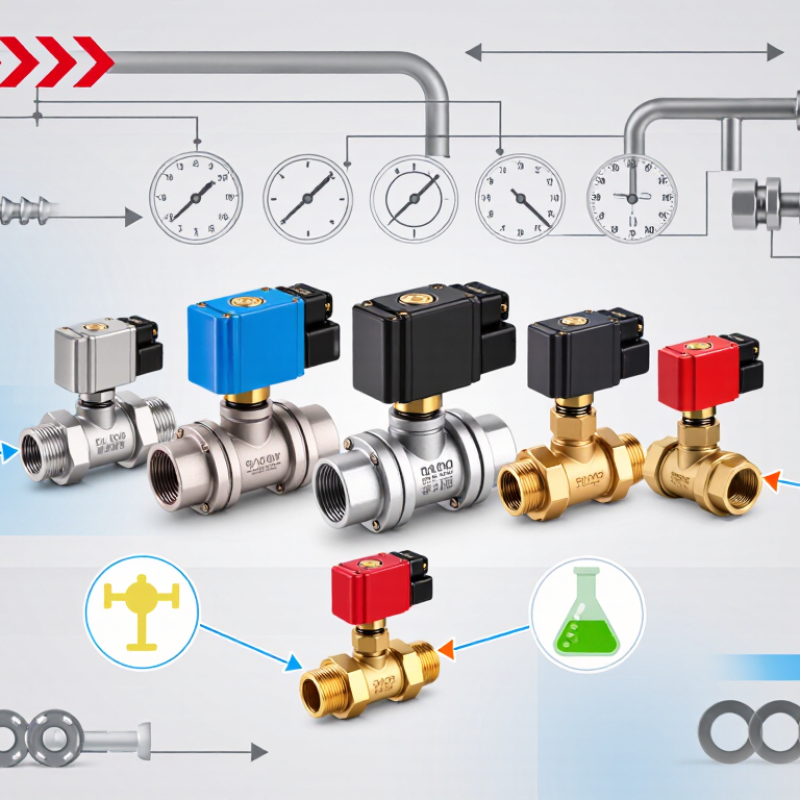
How to Choose the Right Solenoid Valve?

Define the Solenoid Valve’s Function and Operating Principles

Choosing the right solenoid valve starts with defining its exact function. Is it controlling water, air, oil, or another compatible fluid? Will it allow flow normally, or stop flow until energized? These questions determine the valve’s basic configuration.

A normally closed valve stays shut without electrical power. When voltage reaches the coil, magnetic force lifts the plunger and opens the passage. A normally open valve works in the opposite way. The coil may hold the plunger directly, or control a pilot opening in larger valves. Pilot-operated designs often need a minimum pressure difference to function. That detail is easy to miss.

Small details matter.

During practical selection, check the voltage, response time, pressure range, port size, and flow direction. Confirm whether the coil uses direct or alternating current. Also inspect seal materials against the fluid temperature and chemical properties. A valve can fit the pipe perfectly and still fail early if its seal swells.

Do not choose by port diameter alone. A valve with a large opening may still restrict flow if its internal path is narrow. Electrical heat also deserves attention, especially when the coil remains energized for long periods. In dusty, wet, or vibrating equipment, enclosure protection and mounting position become important. Datasheets provide reliable limits, but real installation conditions can expose assumptions that looked safe on paper.
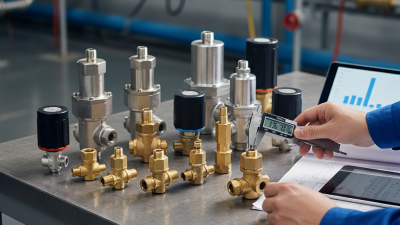

Match Valve Type, Port Size, and Flow Requirements

How to Choose the Right Solenoid Valve?

Selecting a solenoid valve starts with the medium, pressure, temperature, and control method. Water, air, oil, and corrosive fluids may require different valve materials and seals. A normally closed valve stays shut without power, while a normally open valve behaves differently during a power loss. Consider the safest failure position for your equipment.

Port size should match the connected piping, but a larger port does not always improve performance. The valve must also provide enough flow for the application. Check the required flow rate, pressure drop, and operating pressure in the technical data. A valve that is too small may restrict the system. One that is oversized can respond slowly and cost more.

Tips: Measure the actual pipe connection before ordering. Confirm thread or flange standards carefully. Compare the valve’s flow coefficient with your system demand. Leave a small margin, but avoid excessive oversizing. In practice, installation space is often overlooked. Check coil clearance, flow direction, wiring access, and service space. I have seen selection errors caused by matching only the port diameter. That approach seems convenient, but it misses pressure and cycle requirements. Recheck the calculation under real operating conditions, including cold starts and frequent switching. Small details matter.

Select Materials for Media, Pressure, and Temperature Conditions

How to Choose the Right Solenoid Valve?

Material selection should begin with the media, not the valve body. Water usually suits brass or stainless steel bodies with EPDM seals. Oils often require compatible elastomers, such as NBR or FKM. Steam demands higher-temperature materials, careful seal selection, and a valve rated for saturated steam. PTFE can resist aggressive chemicals, but it may reduce flexibility during repeated cycling. Small details matter.

Pressure is more than the maximum number on a datasheet. Check inlet pressure, outlet pressure, differential pressure, and flow direction. The U.S. Department of Energy reports that compressed air can consume about 10% of industrial electricity. Its guidance also indicates that leaks may waste 20–30% of compressor output. An incorrectly sized valve can increase pressure loss and energy demand. Bigger is not always better.

Temperature affects the body, seal, coil, and surrounding wiring. ISO 8573-1:2010 highlights the importance of controlling contaminants in compressed-air systems, including water and oil. A clean-looking line may still contain damaging moisture. Field inspections often find valves selected for normal temperature, not startup or cleaning conditions. That is an easy mistake to repeat. Check the coldest ambient temperature, peak media temperature, duty cycle, and installation exposure. Then verify chemical compatibility using actual concentration data, not a generic media name. Safety margin helps, but excessive margin can hide poor sizing.

Sources: U.S. Department of Energy, Improving Compressed Air System Performance; ISO 8573-1:2010.

Evaluate Voltage, Response Time, and Installation Requirements

How to Choose the Right Solenoid Valve?

Voltage is the first checkpoint, not an afterthought. Match the coil rating to the available supply, such as 12 VDC, 24 VDC, or 230 VAC. Confirm the voltage type, frequency, and acceptable tolerance on the datasheet. A mismatched coil may overheat, chatter, or fail to open. Measure the supply at the valve terminals, not only at the control panel. Cable length can create a surprising voltage drop. In field testing, this simple check has prevented several false valve diagnoses.

Response time matters when a system fills, vents, or doses in short cycles. Compare opening and closing times under your actual pressure, temperature, and fluid conditions. A valve rated for fast switching may respond differently with thick fluid or low pressure. Check whether the valve is normally closed or normally open. That choice affects safety and energy use. Do not trust a single laboratory value blindly.

Tips

Confirm the port size and flow direction before ordering. Leave room above the coil for wiring and maintenance. Install a filter when particles may enter the line. Keep the valve accessible. Test the complete assembly after installation, including pressure changes and repeated cycles. I have seen correct valves perform poorly because of reversed flow or cramped tubing. Installation details are easy to underestimate.

Compare Safety, Maintenance, Cost, and Service Life

How to Choose the Right Solenoid Valve?

A suitable solenoid valve must match the fluid, pressure, temperature, and required flow rate. Safety deserves attention before price. Choose the correct fail position for the process. A normally closed valve can stop flow during power loss. However, this choice may not suit every system. Check the valve material, seal compatibility, and electrical enclosure rating. A small mismatch can cause leakage, overheating, or sudden downtime. Always verify the technical data with a qualified engineer.

Maintenance affects both operating cost and service life. Inspect connections for moisture, listen for unusual buzzing, and check response time during routine servicing. Clean fluid usually extends valve life. Dirty air, particles, and excessive heat shorten it quickly. I have seen low-cost valves replaced repeatedly because filtration was ignored. That saving was not real. Keep spare coils and seals where downtime is expensive. Record failures, but do not assume every failure comes from the valve.

Tips: Compare total ownership cost, not only purchase price. Estimate energy use, replacement labor, spare parts, and lost production. Select a design that technicians can inspect without removing nearby piping. Test the valve under actual pressure, not only on a workbench. Leave some capacity margin, but avoid serious oversizing. An oversized valve may cycle poorly and waste energy. Review the choice after installation. Field conditions often reveal details that the original specification missed.