Please upgrade your web browser now. Internet Explorer 6 is no longer supported.>

Top 10 High Temperature Solenoid Valve Manufacturers for Buyers

Choosing a high temperature solenoid valve is about more than finding a supplier with a familiar name. Buyers need to match valve materials, seals, coil ratings, pressure limits, and connection types to the actual process. A valve near a heated pipe may face different conditions from one installed beside a furnace or steam line. Small details matter. A seal that performs well at one temperature may age faster under continuous heat, pressure changes, or frequent switching. So check the operating conditions, not just the maximum temperature printed in a catalog.

This Top 10 guide introduces manufacturers worth evaluating and offers a practical starting point for supplier comparisons. It considers product range, application experience, technical documentation, customization options, and support for selecting the right configuration. These factors can help narrow a search, but they cannot replace engineering review or a clear conversation with the manufacturer. Ask for operating-temperature data, compatible media, coil voltage, duty-cycle details, and installation guidance. Also confirm whether stated limits apply to the complete valve or only selected components. That distinction can be easy to miss. Still, no shortlist is perfect; availability and service quality may vary by region and project. Use the profiles as a reference, then verify specifications against your system before making a purchase decision.
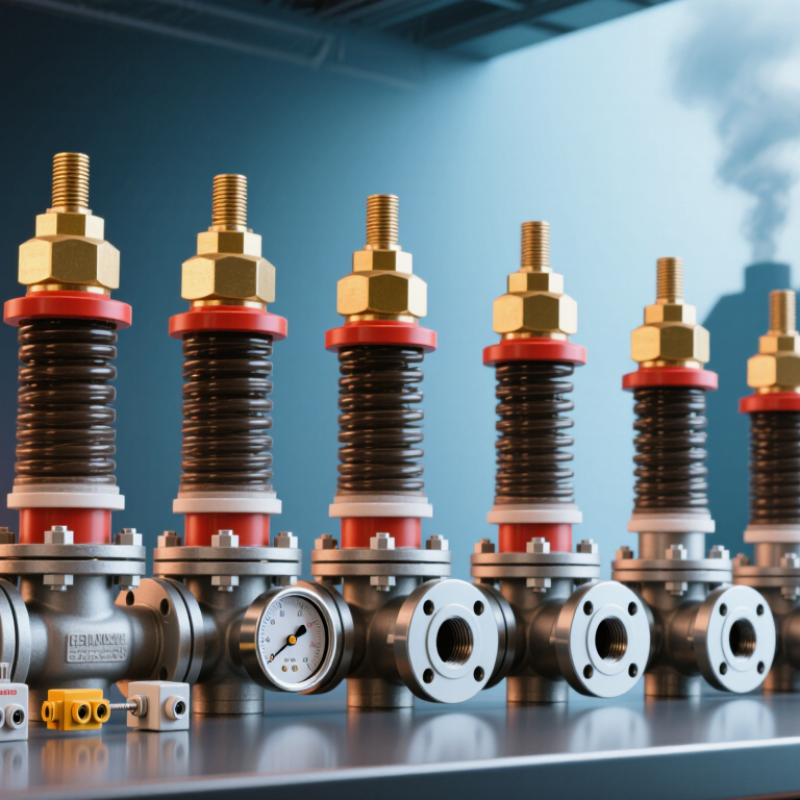
Top 10 High Temperature Solenoid Valve Manufacturers for Buyers

What High-Temperature Solenoid Valves Are and Where They Are Used

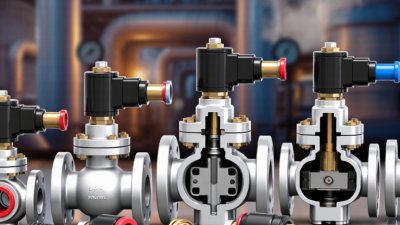
A high-temperature solenoid valve uses an electrically energized coil to move a plunger and control fluid flow. It is designed for service where ordinary seals, insulation, or coil materials may degrade under heat. The exact temperature limit depends on the valve’s construction and the fluid, not just the advertised rating. Heat matters.

These valves are used in steam lines, industrial ovens, hot-water systems, engine equipment, and process machinery. A bakery’s steam circuit, for example, may need a valve that tolerates repeated heating and cooling. In a plant, hot oil or heated cleaning fluid can create different demands. Temperature is only part of the job: pressure, fluid compatibility, flow rate, and switching frequency also affect service life. A valve suited to dry heat may not suit direct contact with hot liquid.

Tips: Check the stated maximum fluid temperature, not only the ambient rating. Confirm seal and body materials against the actual medium. Leave room for heat near the coil, and follow installation guidance. A small mismatch can cause leakage or sluggish operation. Recheck specifications when operating conditions change.
High-Temperature Solenoid Valves: Typical Seal Material Limits

Seal material is one factor in choosing a solenoid valve for hot service. The chart compares indicative upper continuous-use temperatures for common material families; actual limits depend on the compound, pressure, fluid, and valve design.

These are approximate material-family reference values, not guaranteed valve ratings. Confirm the manufacturer’s specifications for the exact material, operating conditions, and application.

How High-Temperature Solenoid Valves Work

How High-Temperature Solenoid Valves Work

A solenoid valve converts electrical energy into mechanical movement. When current flows through its coil, a magnetic field pulls a plunger, which opens or closes an orifice. In a normally closed model, a spring pushes the plunger back when power stops. Simple motion. Yet heat changes the design challenge: fluid temperature and surrounding air can both transfer heat into the coil, seals, and valve body.

High-temperature models use components selected to tolerate that exposure, such as heat-resistant coil insulation and seals suited to the process fluid. Some designs also limit heat transfer from the body to the coil.

The U.S. Department of Energy’s 2015 Bandwidth Study reports that process heating accounts for about 31% of U.S. manufacturing energy use, illustrating how frequently industrial equipment operates around heat. This is context, not a valve-performance rating.

A common oversight is reading the maximum fluid temperature as the full operating limit. Check the manufacturer’s specified ambient temperature, pressure range, voltage, and duty cycle too. Ratings vary. A valve exposed to hot steam in a warm enclosure may behave differently from one tested at room temperature.

Key Performance Factors Buyers Should Compare

When comparing high-temperature solenoid valves, check the rated temperature against your actual operating cycle, not just the hottest moment. Continuous heat can affect seals, insulation, and spring performance differently from brief temperature spikes. Heat changes everything. Ask which body and seal materials suit the fluid, and request test data for the intended temperature range. A rating without test conditions is hard to interpret.

Compare pressure range, flow capacity, response time, and allowable leakage together. A valve that handles the pressure may still restrict flow through a small orifice. Check coil voltage, duty rating, and temperature rise, especially when the valve will remain energized for hours. Small details matter. Confirm that the electrical connection and enclosure suit nearby heat, vibration, and moisture. I would not assume a higher temperature rating automatically means longer service life.

Look for clear installation limits, maintenance guidance, and traceable inspection records. Ask how performance changes after repeated heating and cooling, since thermal cycling can expose weaknesses that a single test misses. Request references or test results for similar fluids and operating conditions. A catalog sheet helps, but it cannot show every field variation. Even experienced buyers may need to revise a specification after measuring the real system. Compare evidence, not just headline ratings.

Top 10 High-Temperature Solenoid Valve Manufacturers

Choosing among the top 10 high-temperature solenoid valve manufacturers starts with the actual duty conditions, not a ranking alone. Fortune Business Insights estimated the global solenoid valve market at about USD 4.6 billion in 2023, with growth projected through 2032. That expansion reflects demand across industrial applications, but market size does not prove a valve can handle a buyer’s temperature, pressure, or cycle rate. Heat changes everything. Compare each manufacturer’s published temperature limits, seal materials, coil insulation class, and continuous-duty rating. Ask for test data at your operating pressure, not just a catalogue maximum.

A strong shortlist includes manufacturers that document material traceability, production testing, and application support. Check whether the stated temperature applies to the fluid, ambient air, or both; these figures are easy to confuse. Review the port size and flow coefficient too. A valve that survives heat but restricts flow can still cause process problems. Be cautious: “high temperature” is not a single engineering category, and supplier descriptions may leave important details unclear.

Tips: Request a datasheet showing maximum fluid and ambient temperatures, seal compatibility, pressure range, and coil duty rating. Confirm enclosure protection against IEC 60529 where relevant, and ask how performance changes after repeated thermal cycling. Compare written evidence, not promises.

How to Evaluate and Select a Manufacturer for Your Application

Top 10 High Temperature Solenoid Valve Manufacturers for Buyers: How to Evaluate and Select a Manufacturer for Your Application

Selecting a manufacturer starts with the actual duty cycle, not the highest temperature printed in a catalogue. Record the fluid, operating pressure, temperature range, switching frequency, and expected service life. Then check whether the body, seals, and coil insulation suit those conditions. A valve tested with hot air may perform differently with steam or thermal oil. Ask for test records covering temperature endurance, leakage, and repeated switching. A neat catalogue is not proof.

The U.S. Department of Energy’s Improving Process Heating System Performance sourcebook reports that process heating accounts for about 36% of energy use in U.S. manufacturing. That makes reliable control relevant to both uptime and energy performance. Compare manufacturers on documented test methods, traceable material specifications, and technical support for your operating conditions. Request a written temperature rating at the intended pressure; maximum-temperature claims alone can mislead. I would also check how the valve behaves during cold starts and rapid heat changes. That detail is easy to miss.

Tips: Share a real operating profile, not just a temperature limit. Ask for references from similar applications and clarify replacement-part lead times. Small details matter. If test evidence is incomplete, pause before approval; field conditions can expose gaps that a datasheet cannot show.

Top 10 High Temperature Solenoid Valve Manufacturers for Buyers - How to Evaluate and Select a Manufacturer for Your Application

Evaluation Dimension What Buyers Should Check Evidence to Request Why It Matters
1. Rated Temperature Range Confirm the minimum and maximum fluid and ambient temperatures for the complete valve assembly, including body, seals, plunger, coil, and connector. Model-specific datasheet showing temperature limits and any derating conditions. A valve’s temperature capability depends on its materials and configuration; the maximum temperature of one component does not establish the rating of the complete assembly.
2. Fluid and Material Compatibility Check the fluid’s chemistry, concentration, cleanliness, and phase against the wetted body, seal, and internal materials. Wetted-material list and written compatibility guidance for the actual operating fluid. Incompatible materials can swell, corrode, embrittle, or otherwise degrade, leading to leakage or premature failure.
3. Pressure and Differential Pressure Compare the system’s minimum and maximum pressure and pressure differential with the valve’s working limits and operating requirements. Pressure ratings, minimum operating differential where applicable, and pressure-test documentation. Some pilot-operated designs require a pressure differential to open or close; pressure limits also vary with design and temperature.
4. Flow Capacity and Port Size Confirm connection size, flow direction, flow coefficient (such as Cv or Kv), and required flow at the available pressure drop. Flow curves or sizing data for the selected valve configuration. Port size alone does not determine flow capacity. Appropriate sizing helps avoid excessive pressure loss or inadequate flow.
5. Valve Function and Response Specify normally closed or normally open operation, direct-acting or pilot-operated construction, response needs, and expected operating sequence. Operating principle, response-time data if specified, and a functional description for the selected model. The required function and pressure conditions determine whether a particular construction can operate reliably in the application.
6. Coil and Electrical Requirements Check voltage, AC or DC supply, frequency for AC coils, power consumption, connector type, and continuous-duty rating. Electrical datasheet and confirmation that the coil is rated for the intended ambient temperature and duty cycle. Incorrect electrical selection or insufficient thermal margin can cause unreliable actuation or excessive coil temperature.
7. Leakage and Seat Performance Define acceptable internal and external leakage, taking account of the fluid, pressure, temperature, and applicable safety requirements. Leakage limits and test conditions; identify the test standard or procedure used where applicable. “Zero leakage” should not be assumed unless a specific, verified acceptance criterion and test condition are stated.
8. Environmental and Hazardous-Area Suitability Check enclosure protection, exposure to dust or moisture, vibration, and whether the installation is in a classified hazardous area. Applicable IP rating under IEC 60529 and, where required, certificates for the relevant hazardous-area scheme and exact configuration. An IP rating addresses enclosure ingress protection; it does not by itself certify equipment for use in an explosive atmosphere.
9. Service Life and Maintenance Ask about expected cycle life, service conditions, replaceable components, maintenance intervals, and the assumptions behind any life estimate. Endurance-test information and maintenance or repair instructions applicable to the selected model. Cycle-life results depend on factors such as pressure, temperature, fluid cleanliness, switching frequency, and installation conditions.
10. Quality, Traceability, and Support Evaluate manufacturing controls, batch or serial traceability, inspection records, documentation, lead-time commitments, and technical support. Quality-system documentation, inspection and material records where available, warranty terms, and a clear support process. ISO 9001 certification concerns a quality management system; it is not, by itself, proof that a valve is suitable for a particular application.