What Is a Spring Return Actuator and How Does It Work?
A spring return actuator is a compact safety mechanism hidden behind many industrial valves. When air or electric power is available, it moves the valve to its operating position. When that energy disappears, an internal spring drives the valve back to a preset safe position. The movement may take only seconds, yet it can protect pumps, burners, pipelines, and process equipment.
Industry research gives this technology wider context. Reports from ARC Advisory Group and MarketsandMarkets describe growing demand for automated valves, process safety, and reliable shutdown systems. Their findings also point to stricter reliability expectations across energy, water treatment, chemical processing, and manufacturing. A spring return actuator is not merely a stronger actuator. It is a deliberate failure-response device. That difference matters during power loss, air leakage, or emergency isolation.
Process-control specialist David W. Spitzer offers a useful engineering reminder: “The final control element is where control theory meets the process.” His point is practical. A perfect signal means little if the valve cannot move, seal, or return correctly. This guide explains the actuator’s spring cartridge, piston or diaphragm, torque output, operating cycle, and fail-open or fail-closed behavior. It also examines sizing, maintenance, corrosion, temperature, and cycle testing.
Small details decide performance. A weak spring, contaminated air line, or incorrectly selected torque margin can create hidden risk. Not every installation behaves as the catalogue suggests. Real systems age, vibrate, and drift. Careful engineering remains essential.
What Is a Spring Return Actuator?
What Is a Spring Return Actuator?
A spring return actuator is a mechanical device that moves a valve or damper using electric or pneumatic power. It also contains a preloaded spring. During normal operation, the actuator drives the equipment to its commanded position. If power or control pressure fails, the spring automatically returns it to a preset position.
That stored energy matters. For example, a ventilation damper may close during a power outage. A cooling-water valve may open instead. The correct fail position depends on the equipment, fire strategy, pressure conditions, and risk assessment. Engineers must also check torque, stroke time, temperature, and the number of operating cycles. A spring that is too weak may not complete the movement. A spring that is oversized can increase energy use and shorten service life.
The International Energy Agency’s Buildings 2023 report states that buildings consume about 30% of global final energy and create roughly 26% of energy-related emissions. Reliable control devices therefore support broader efficiency goals, especially in heating, ventilation, and air-conditioning systems. However, a spring return actuator is not automatically a complete safety solution. Incorrect sizing, blocked linkages, or poor maintenance can prevent the intended response. In field inspections, dust and corrosion often receive less attention than electrical signals. That is a weakness worth acknowledging. Regular functional testing should confirm both powered movement and spring-return movement.
What Components Make Up a Spring Return Actuator?
What Is a Spring Return Actuator and How Does It Work?
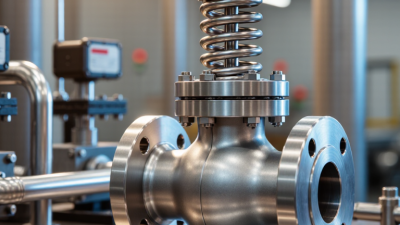
A spring return actuator contains several parts that must cooperate precisely. The electric motor creates rotation. A gear train increases torque and reduces speed. The output shaft then moves a damper or valve. Inside the housing, a preloaded spring stores mechanical energy. If power fails, the spring releases that energy and drives the shaft to its safety position.
Other important components include limit switches, a position indicator, wiring terminals, and a manual override. Some models also include auxiliary switches for feedback signals. The spring is not decorative. Its torque rating must exceed the resistance from the connected valve or damper. A poorly sized unit may stall, overheat, or return incompletely. During commissioning, technicians should check shaft alignment, rotation direction, and actual closing time.
ENERGY EFFICIENCY
The International Energy Agency’s Energy Efficiency 2023 report states that buildings consume about 30% of global final energy. The U.S. Department of Energy also identifies HVAC controls as a significant efficiency opportunity in commercial buildings. These figures explain why reliable actuation matters, especially in ventilation systems. Standards such as IEC 60534 and ISO 5211 help engineers evaluate control performance and mounting interfaces. Still, standards cannot correct a weak installation. Dust, excessive friction, and incorrect spring selection remain common field problems. I still verify the fail-safe position manually, because a wiring diagram can look perfect while the damper moves the wrong way.
How Does a Spring Return Actuator Operate?
A spring return actuator converts control energy into mechanical movement, then uses a spring to return equipment to a preset position. In normal operation, compressed air or electrical power drives the actuator shaft. The shaft opens or closes a connected valve, damper, or similar device. When the control signal stops, stored spring energy moves the shaft back. This action creates a fail-safe response during power loss, air failure, or an emergency shutdown.
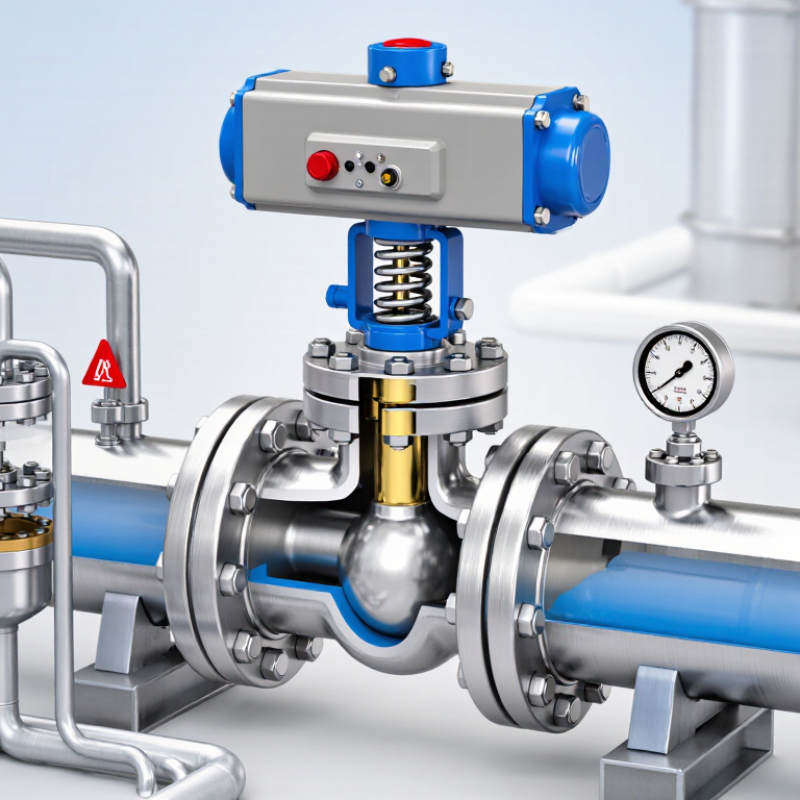
In a pneumatic model, air pressure pushes a piston or diaphragm against the spring. Higher pressure produces movement and compresses the spring. Removing pressure allows the spring to extend and rotate the shaft. The return direction depends on the installation and internal arrangement. A technician must check required torque, travel angle, operating pressure, and the equipment’s safe position. A spring can return the shaft, but it cannot correct an incorrectly sized actuator. That detail is easy to underestimate.
Tips: Test the return action during commissioning. Watch the shaft, not only the control signal. Confirm that the final position matches the process requirement. Inspect spring housings, seals, and mounting bolts for damage or looseness. Temperature also matters, because cold conditions can change lubricant behavior and air performance. The simplest explanation is useful, but real systems are less tidy. Unexpected friction may prevent a complete return.
What Is a Spring Return Actuator and How Does It Work?
A spring return actuator uses compressed springs to move a valve or damper to a defined fail-safe position when power or control pressure is removed. During normal operation, the motor or pneumatic supply drives the actuator and compresses the spring. When the energy source is interrupted, the stored spring energy returns the mechanism.
The normalized operating profile shows the actuator moving from the fail position toward the operating position while energized, holding its position during normal operation, and returning through spring force after power loss. Position values are shown as percentages of the actuator’s total travel.
Where Are Spring Return Actuators Commonly Used?
A spring return actuator moves a valve or damper with air, electricity, or hydraulic force. When that driving force disappears, an internal spring returns the mechanism to a preset position. This action supports safer shutdowns and predictable system behavior.
These actuators are common in commercial HVAC systems. They operate fresh-air dampers, exhaust dampers, and zone control valves. During a power failure, a spring can close a damper and limit unwanted airflow. Some ventilation systems use the opposite arrangement. The damper opens to maintain minimum airflow or release pressure.
Industrial plants also install spring return actuators on fuel, steam, water, and compressed-air lines. Process engineers often select them for emergency isolation duties. Water treatment facilities may use them where valves must move to a known position during control-system faults. In fire and smoke control systems, correct positioning can help protect evacuation routes and equipment, but local codes still determine the required design.
Field technicians usually check spring direction, torque, travel, and failure position before installation. A small mismatch can leave a valve partly open. That is risky. In practice, “fail-safe” does not mean every failure is harmless. A weak spring, incorrect sizing, or blocked valve can defeat the intended response. Periodic testing under realistic conditions is easy to postpone, yet it often reveals problems that a visual inspection misses.
How Do You Select and Maintain One?
A spring return actuator moves a valve or damper with compressed air or electricity. When power or air pressure fails, an internal spring drives it to a preset safe position. That position may be open or closed, depending on the process design. Selecting one requires more than matching the pipe size.
Check the required torque first. Include friction, pressure changes, and a safety margin recommended by the equipment engineer. Confirm the operating temperature, control signal, enclosure rating, and available power. The spring force must complete the movement reliably, not barely reach it. A useful question is simple: what should happen during a failure? I have seen installations where the actuator fit physically but lacked enough torque after years of valve wear. That mistake is easy to miss.
Maintenance starts with a clean inspection schedule. Look for air leaks, loose fasteners, damaged wiring, corrosion, and unusual movement. Test the fail position under controlled conditions, following site safety procedures. Do not repeatedly remove power without checking the connected process. Lubricate only where the manufacturer permits it. Some sealed units need no added lubricant. Record test dates, travel time, and observed spring action. Small changes matter. A slower return may indicate rising friction or a weakening spring. Selection calculations should also be reviewed when the medium, temperature, or valve changes. Conditions drift. Documentation sometimes does too.