Rotary valves play a quiet but essential role in many bulk-material handling systems. They meter powders and granules while helping maintain pressure differences between connected process stages. A poorly matched unit can cause leakage, inconsistent flow, excessive wear, or avoidable downtime. Small details matter.
This guide introduces 10 rotary valve manufacturers serving global buyers. It helps readers compare suppliers by product range, application experience, material options, engineering support, and international service availability. These are useful starting points, not guarantees of performance. A company’s reputation alone cannot confirm that a valve suits a particular process.
Buyers should consider the material being handled, its particle size, temperature, abrasiveness, and tendency to bridge or generate dust. Check rotor design, housing construction, shaft seals, clearances, connection dimensions, and operating conditions. Ask suppliers how they assess leakage, wear, and cleaning requirements for the intended duty. For food, chemical, or other controlled processes, confirm applicable documentation and specifications directly with the manufacturer.
There is no universal best choice. A compact valve may suit a simple conveying line, while a demanding application may require custom materials or closer engineering support. Comparisons can also be imperfect: published product information varies, and regional service quality is not always easy to judge from a catalog. Treat this list as a practical shortlist, then verify each option against your process data, maintenance capacity, and total cost of ownership. The right questions often matter as much as the brand.
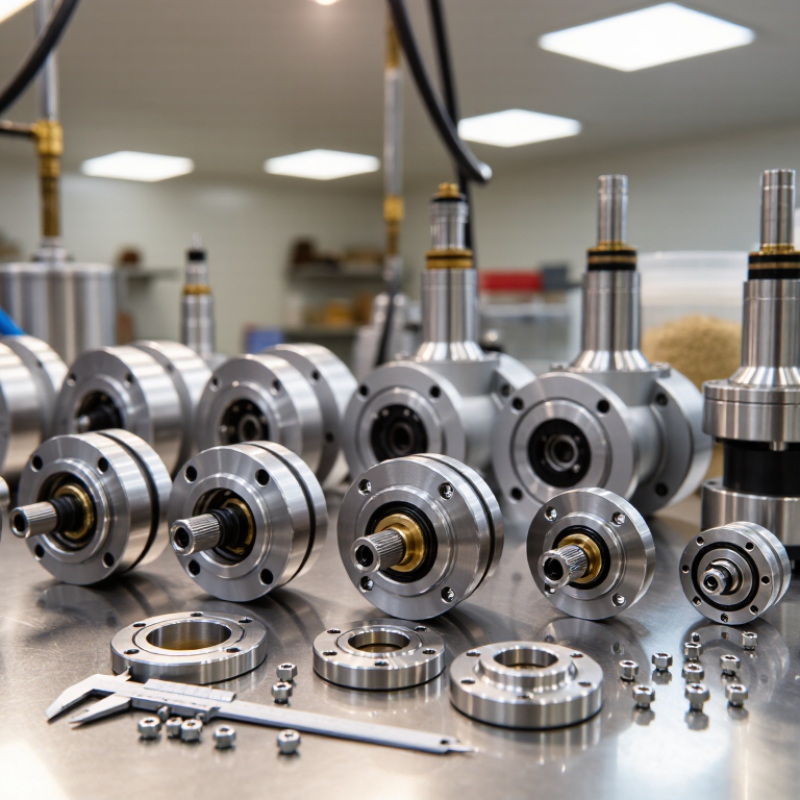
Rotary valves move bulk materials between equipment while limiting air leakage. A rotor turns inside a close-fitting housing, carrying material through pockets between the inlet and outlet. The design looks simple. Clearances are not. Small gaps can affect leakage, while overly tight fits may increase wear or cause binding.
Selection depends on the material and process conditions. Powder, pellets, and flakes behave differently, especially when moisture or heat changes their flow. Engineers typically consider capacity, rotor speed, housing material, seal type, and pressure difference. For example, abrasive granules may wear pocket edges faster than free-flowing plastic pellets. A valve that works well on a dry test sample may perform poorly with real material. That detail is easy to miss.
Rotary valves commonly feed mixers, conveyors, dryers, and dust-collection systems. In operation, steady rotation can support a consistent feed rate, but it does not guarantee one. Bridging above the inlet, trapped particles, or worn clearances can interrupt flow. Operators should monitor motor load, noise, temperature, and discharge consistency. Routine inspection helps reveal wear before it disrupts production. Maintenance needs vary. There is no universal interval. A practical choice balances throughput, sealing needs, cleaning access, and the cost of downtime.
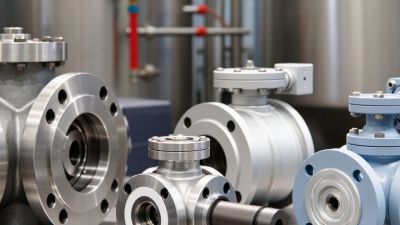
When comparing rotary valve manufacturers, begin with the material, temperature, pressure, and throughput your process actually requires. A valve handling abrasive powder needs different rotor clearances and wear protection than one feeding fine, free-flowing granules. Ask how the manufacturer selects seals, bearings, and rotor geometry for your operating conditions. Generic answers deserve follow-up questions.
Request drawings, material specifications, and documented test results for the proposed configuration. Details matter. Check whether the stated capacity reflects your product’s bulk density and feeding behavior, not only a catalog figure.
Manufacturing quality is important, but so are service access and parts availability. Ask how technicians inspect clearances, replace seals, and diagnose leakage or uneven feeding. A short maintenance procedure can reveal more than polished sales language. Review installation guidance and confirm what support is available during commissioning.
References from facilities with similar materials and duty cycles can help verify performance claims. Price comparisons should include expected maintenance, downtime, and replacement parts over the valve’s service life. No checklist is perfect; product properties vary, and even a well-specified valve may need adjustment after startup. Keep that uncertainty visible when evaluating suppliers.
A useful profile of ten rotary valve manufacturers should reveal more than product range. Buyers need to compare rotor geometry, housing materials, drive options, and documented operating limits. For cement service, ask about abrasion-resistant surfaces and access for clearing buildup. For fine powders, check leakage control and whether clearances suit the material. Small details matter. A polished brochure cannot replace a test report or a clear maintenance procedure.
Industry scale helps explain why application fit matters. The USGS Mineral Commodity Summaries 2024 estimates global cement production at 4.1 billion metric tons in 2023. World Steel Association data puts crude steel production at 1,888.2 million metric tons that year. These figures describe demanding bulk-handling environments, not rotary-valve sales. Compare each supplier’s stated pressure differential, temperature range, and throughput conditions against the actual process. Ask how performance was measured.
Across the ten profiles, distinguish manufacturers with in-house casting from those focused on engineered assemblies, and compare standard units with custom designs. Request material-compatibility guidance, wear-part lead times, and drawings showing clearances. A useful supplier should explain what changes when powder moisture or particle size varies. One weakness in many comparisons: published capacity figures may rely on different test materials. Treat them as starting points, then verify with representative samples and operating data.
Generic buyer profiles of common rotary-valve capabilities, not rankings or claims about specific companies. Options and suitability vary by model; confirm specifications, certifications, and process conditions with each manufacturer.
| Profile | Typical Application | Common Valve Configuration | Common Material or Feature Options | Key Buyer Checks |
|---|---|---|---|---|
| 1. General powder handling | Metering or discharging dry powders from hoppers and bins | Drop-through rotary airlock with a pocketed rotor | Cast iron or stainless-steel construction; replaceable seals may be available | Powder flowability, particle size, bulk density, required feed rate, and inlet/outlet dimensions |
| 2. Pneumatic conveying systems | Feeding solids into or discharging them from conveying lines | Pressure-rated airlock selected for the conveying arrangement | Options can include different rotor clearances, end plates, and drive arrangements | Operating pressure or vacuum, air leakage limits, conveying mode, and rotor speed |
| 3. Food ingredient processing | Handling food powders and granules in processing lines | Drop-through or conveying-system airlock, depending on the process | Stainless-steel product-contact surfaces and cleanable designs may be specified | Required hygienic design, cleaning method, surface finish, and applicable food-contact documentation |
| 4. Pharmaceutical and fine chemicals | Controlled transfer of powders where cleaning and material traceability matter | Application-specific airlock with access designed for inspection and cleaning | Stainless-steel contact parts, documented materials, and specialized seals may be available | Cleaning validation needs, material certificates, containment requirements, and documentation scope |
| 5. Cement and mineral processing | Discharging abrasive powders from filters, silos, and process equipment | Heavy-duty drop-through airlock or a conveying-line feeder | Wear-resistant components and robust bearing or sealing arrangements may be offered | Abrasiveness, dust temperature, duty cycle, expected wear, and maintenance access |
| 6. Plastics and polymer handling | Feeding pellets, regrind, or polymer powders from storage and conveying equipment | Airlock selected for the material form and conveying system | Rotor and housing options can be selected to suit the material and operating conditions | Pellet dimensions, risk of material damage, static-control needs, and conveying pressure |
| 7. Biomass and wood processing | Feeding wood dust, chips, or other biomass into process equipment | Large-inlet airlock or a configuration matched to the material and line layout | Options may address bulky particles, wear, and access for clearing material build-up | Particle shape and size, moisture, bridging tendency, combustible-dust hazards, and maintenance plan |
| 8. Dust collection and filtration | Discharging collected dust from bag filters, cyclones, or hoppers | Rotary airlock installed below the dust-collection outlet | Drive, sealing, and housing options depend on dust characteristics and system conditions | Dust loading, temperature, pressure differential, discharge rate, and required dust containment |
| 9. High-temperature process service | Handling hot solids where thermal expansion can affect clearances | Airlock engineered for the stated operating and upset temperatures | Temperature-suitable materials, seals, and bearing arrangements must be confirmed for the model | Continuous and peak temperatures, thermal cycling, material expansion, and cooling requirements |
| 10. Combustible-dust applications | Processes involving dusts that may present fire or explosion hazards | Application-specific rotary valve selected as part of the overall protection system | Protective features and compliance documentation depend on the design and applicable jurisdiction | Dust hazard assessment, required standards, installation location, and system-level certification |
Selection note: A rotary valve’s capacity, leakage, pressure capability, and suitability depend on its design and the material and operating conditions. Request model-specific performance data before purchase.
A useful comparison of ten rotary valve manufacturers starts with the actual duty, not the size of the catalog. Check whether each range covers the required capacity, inlet dimensions, rotor design, and contact materials. A valve handling dry flour may need different clearances and seals from one moving abrasive granules. Ask for operating limits and maintenance intervals for the specific model. Small details matter.
Certifications should be checked against the product and application. A company-level quality certificate does not automatically confirm that every valve meets a particular process requirement. Request current certificates, material declarations, and test records, then confirm their scope and issue dates. Compare like with like: a document for one product family may not cover another. Paperwork matters, but it cannot replace a technical review.
Service networks can determine how quickly a minor fault becomes costly downtime. Ask where spare rotors, seals, and bearings are stocked, and whether local technicians can support installation or troubleshooting. Request typical response times for the destination region, not just a global service statement. A broad catalog can look impressive, but it is easy to overvalue it; fit, documentation, and reachable support deserve equal scrutiny. Test the details before making the shortlist.
A rotary valve should be selected around the process, not just the advertised capacity. Start with the material: note particle size, bulk density, abrasiveness, moisture, and whether it bridges or clumps. Then check required throughput, operating temperature, and pressure difference across the valve. A valve handling dry, free-flowing pellets may struggle with sticky powder. Rotor clearance, inlet geometry, and seal design can change both feeding consistency and air leakage. The U.S. Department of Energy’s 2022 Industrial Decarbonization Roadmap estimates that industry accounts for about 30% of U.S. energy-related carbon emissions. That figure is not a rotary-valve performance measure, but it underlines why avoidable process losses deserve attention.
Ask manufacturers for performance data using material close to yours, not just a generic capacity table. Confirm the test conditions, expected wear parts, cleaning access, and allowable leakage. For food or pharmaceutical processes, specify contact materials and cleaning requirements early. For abrasive solids, ask about rotor and housing wear protection. A catalogue rating is only a starting point. Even a short material trial can reveal bridging or inconsistent discharge; it may not reproduce every plant condition, though.
1272 Speers Rd Unit 4
Oakville ON Canada L6L 2X4
©Copyright 2020 Gosco Valves. All rights reserved.